
Camping Sleeping Bags and Mattresses






Camping Sleeping Bags, Tent Bedding & Mattresses
A camping sleeping bag and matched tent bedding system is the difference between a trip you remember fondly and a trip where you barely slept. We carry sleeping bags, RTT sleepers, tent bedding sets, self-inflating mattresses, camping blankets, and fitted sheets from iKamper, Kakadu, and other premium overland sleep system brands, covering both roof top tent interior upgrades and standalone camping sleep setups. Prices on our featured products start at $169 for the Kakadu Drover 20 sleeping bag and run up to $447 for the premium iKamper RTT Sleeper, with the full bedding collection covering everything from budget sleeping bag for camping options to flagship rooftop tent mattress upgrades. Every camping sleeping bag, blanket, and mattress on this page is engineered for overland use, fits standard or RTT-specific dimensions, and is built to handle real outdoor conditions rather than just casual backyard sleepovers. Call us at 844-200-3979 to talk through which camping sleeping bag and bedding combination fits your tent, climate, and how you actually camp.
Featured Sleeping Bags, Bedding & Mattresses
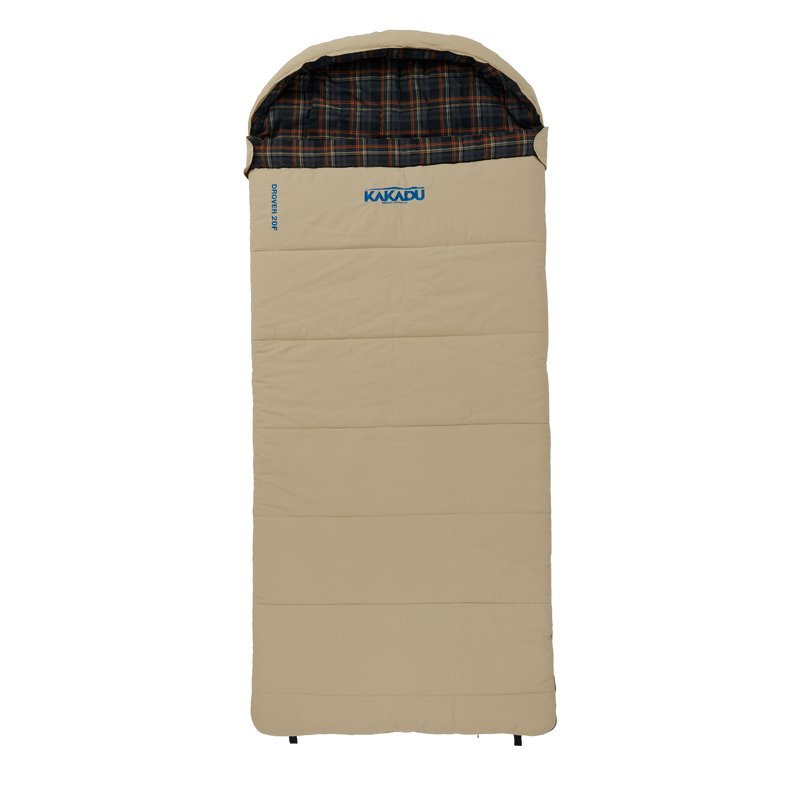
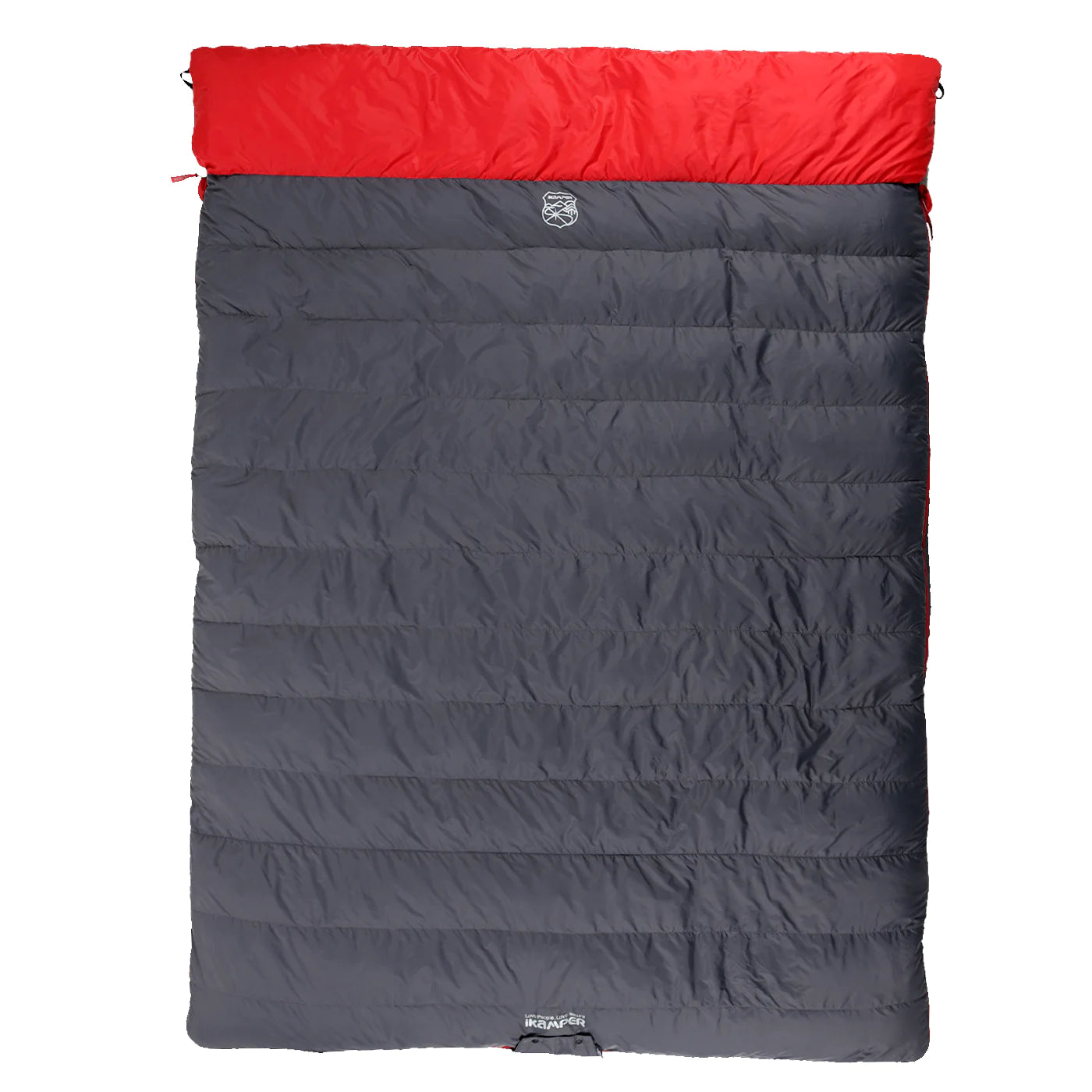
Kakadu Drover 20 Sleeping Bag
Price: $169.00
Type: Single-person cold weather sleeping bag | Rating: 20°F
Build: Ripstop cotton canvas outer, 100% cotton flannel inner, recycled fill
The most affordable camping sleeping bag in our lineup and the entry-point for buyers who want a serious cold weather sleeping bag without spending premium money. Kakadu's Australian heritage shows in the build: heavy-duty ripstop cotton canvas outer that handles years of trail abuse, soft 100% cotton flannel inner for genuine comfort, and a 20°F temperature rating that handles real cold without overheating in mild weather. The dual-side zipper opens from either side and the weatherproof carry bag keeps the sleeping bag dry on the drive in. Works as a standalone sleeping bag for camping or as an extra layer inside any roof top tent.
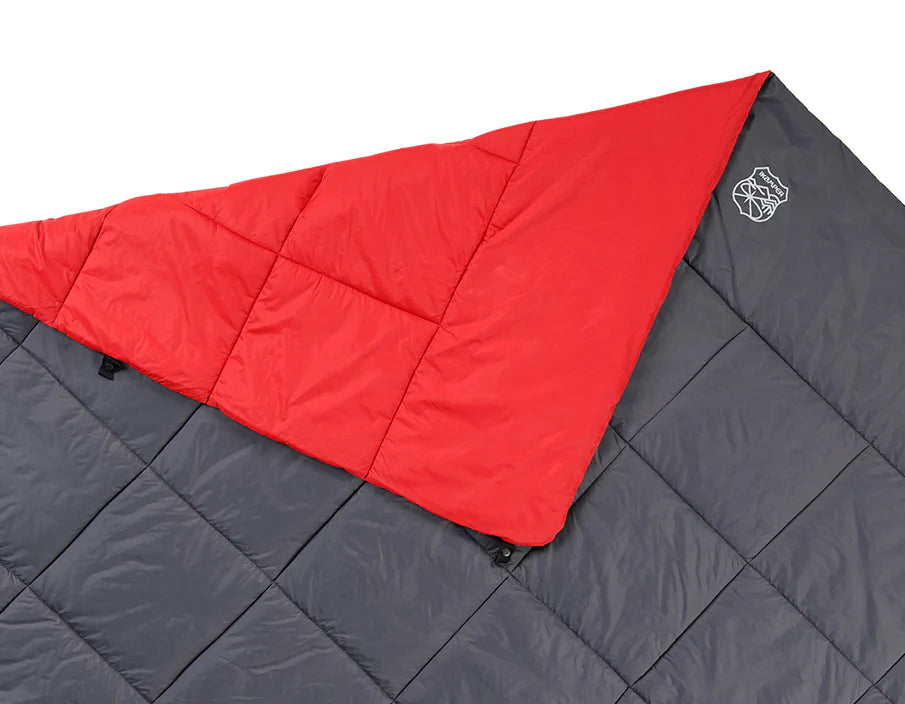
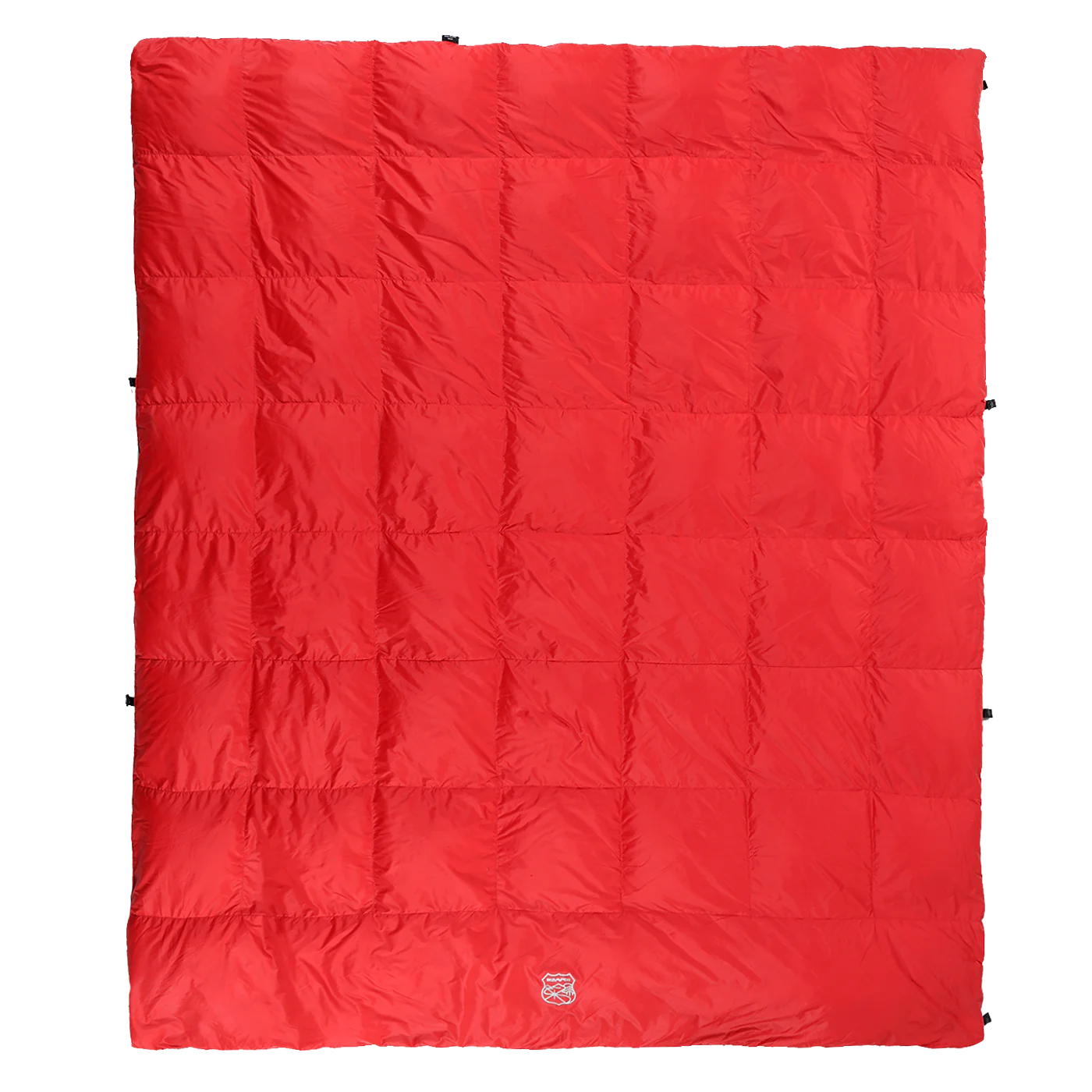
iKamper RTT Blanket DPL
Price: $215.00
Type: Premium camping blanket | Fits: iKamper RTTs & standard camping use
Build: DPL fabric system, layered insulation, premium finish
The iKamper RTT Blanket DPL is the premium camping blanket option for buyers who want a layered top blanket rather than a full sleeping bag commitment. The DPL fabric system handles temperature variability better than a sealed sleeping bag (lift the edges to vent, pull tight when it's cold), the premium finish is genuinely showroom-quality, and the dimensions are dialed for use inside iKamper roof top tents while still working as a standalone camping blanket. The right pick for mild-weather overlanders and anyone who hates the claustrophobic feel of a mummy bag.
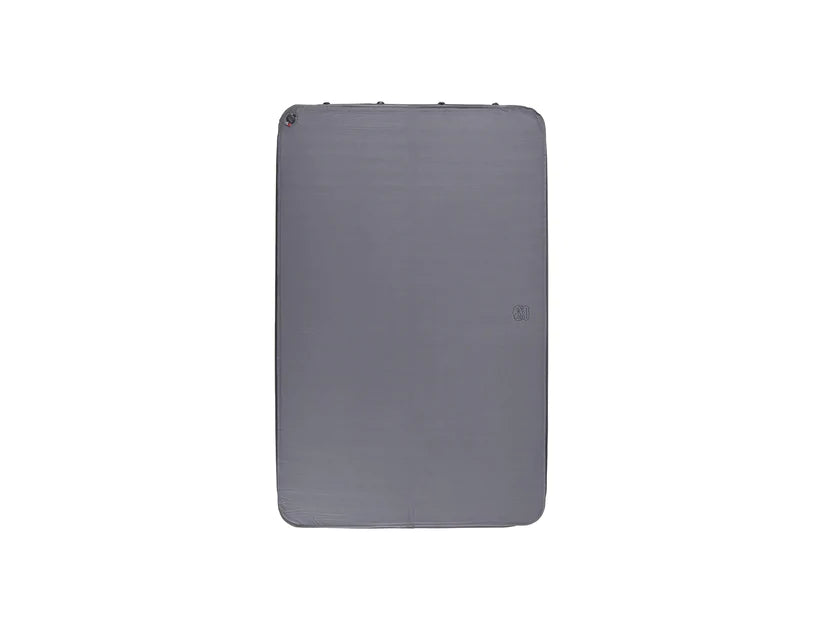
iKamper Self-Inflating Mattress for RTTs
Price: From $240.00
Type: Self-inflating RTT mattress | Fits: iKamper Skycamp Mini, Skycamp 3.0, BDV Solo, & more (5 sizes)
Build: Open-cell foam + air, 4"/10cm thickness, optimal heat retention
The iKamper self inflating mattress is the dedicated rooftop tent mattress upgrade for iKamper owners who want to replace or supplement the factory mattress with the comfort of a real bed. Open-cell foam construction combined with air inflation gives you 4" of cushioning plus thermal isolation from the tent floor (huge difference in cold weather), and the self-inflating design means setup is just opening the valve and waiting 10 minutes. Available in 5 different sizes to fit Skycamp Mini 2.0/3.0, Skycamp Extension Panel, BDV Solo, and other iKamper RTTs.
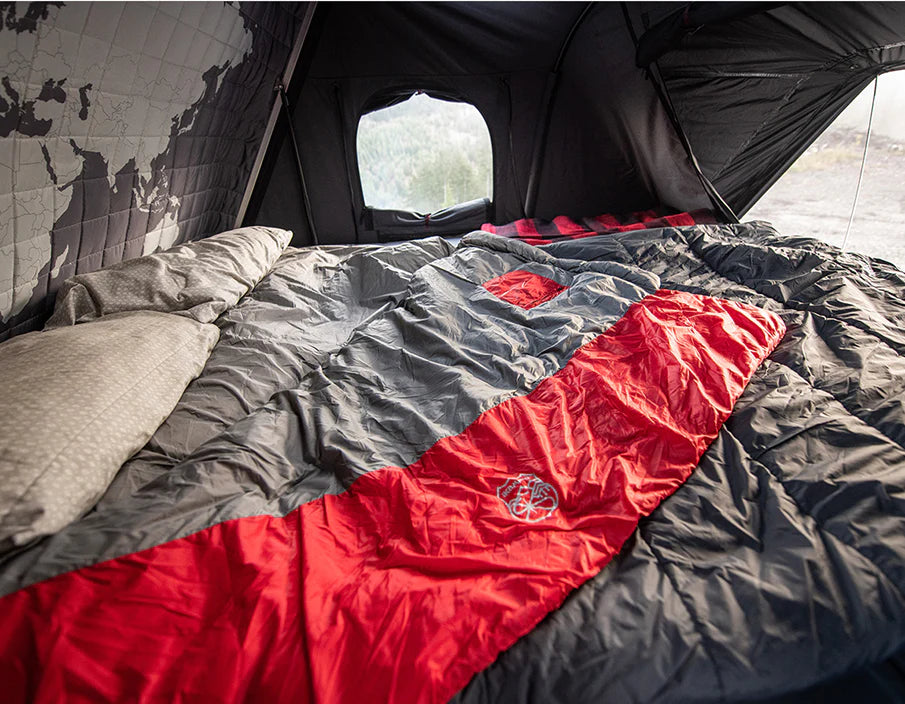
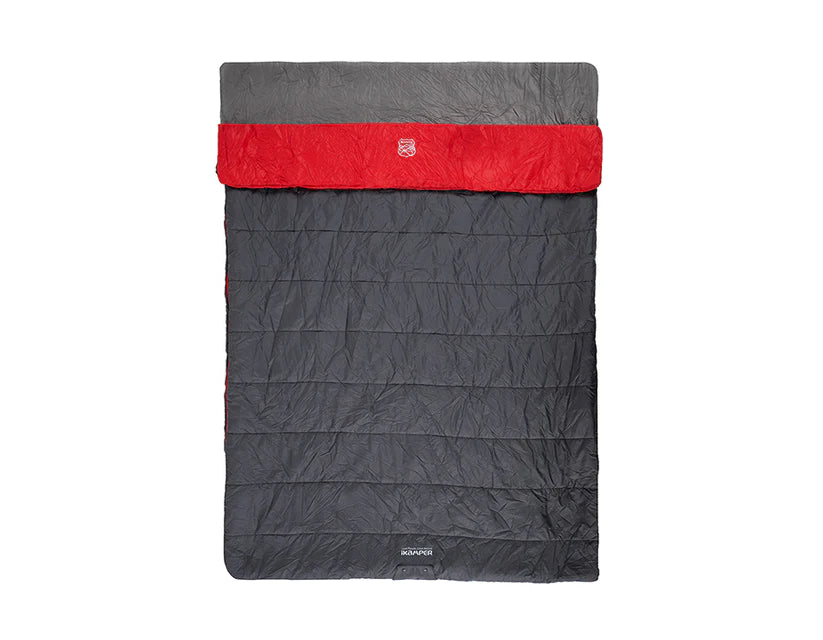
iKamper RTT Sleeper DPL
Price: $360.00
Type: RTT-specific fitted sheet bedding system | Fits: iKamper RTTs
Build: DPL premium fabric, fitted-sheet design, integrated layer system
The iKamper RTT Sleeper DPL is the premium tent bedding system designed to live permanently inside your iKamper roof top tent and stay in place when the tent folds closed. The fitted-sheet design wraps the factory mattress completely (no slipping during the night), the DPL premium fabric handles years of use without showing wear, and the integrated layer system means you have a complete bedding setup ready every time you open the tent. The right pick for iKamper owners who use the RTT regularly and want a permanent fitted sheet for roof top tent use rather than a roll-up sleeping bag.
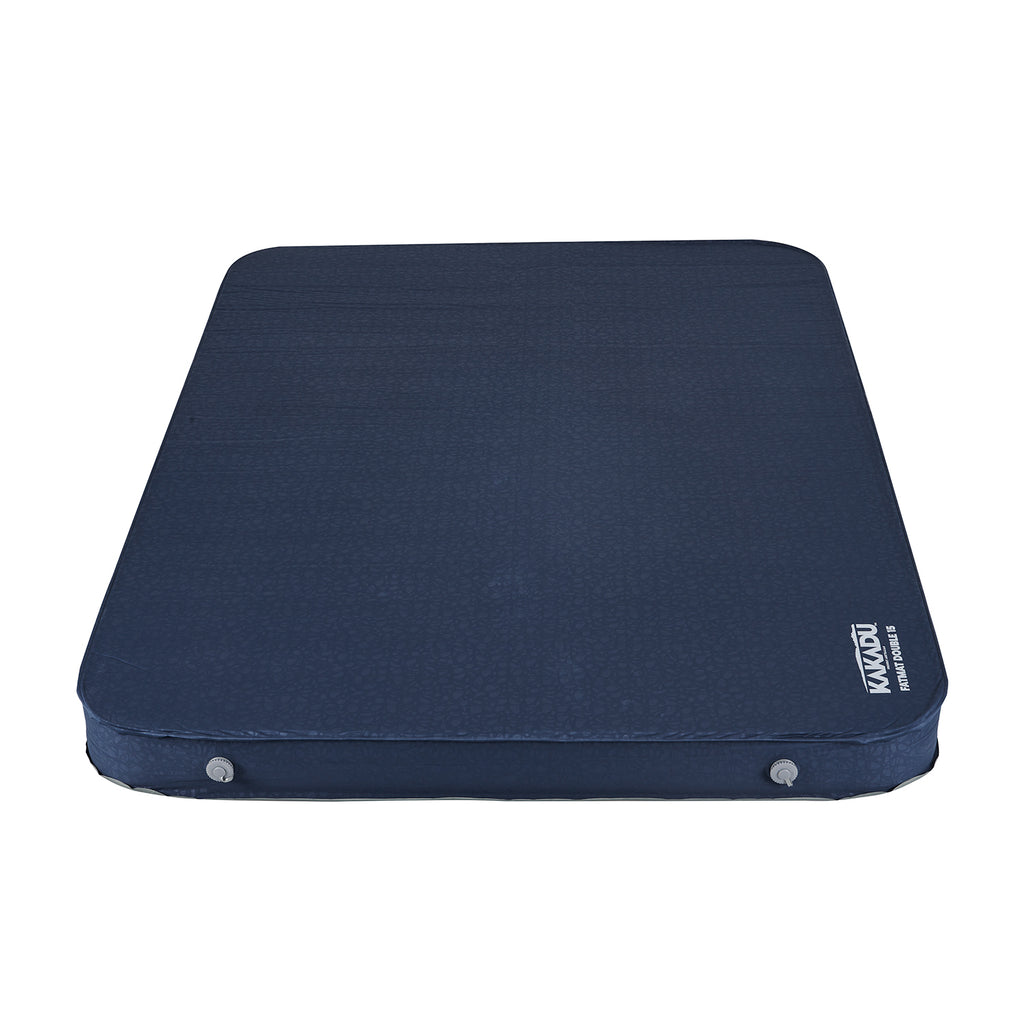
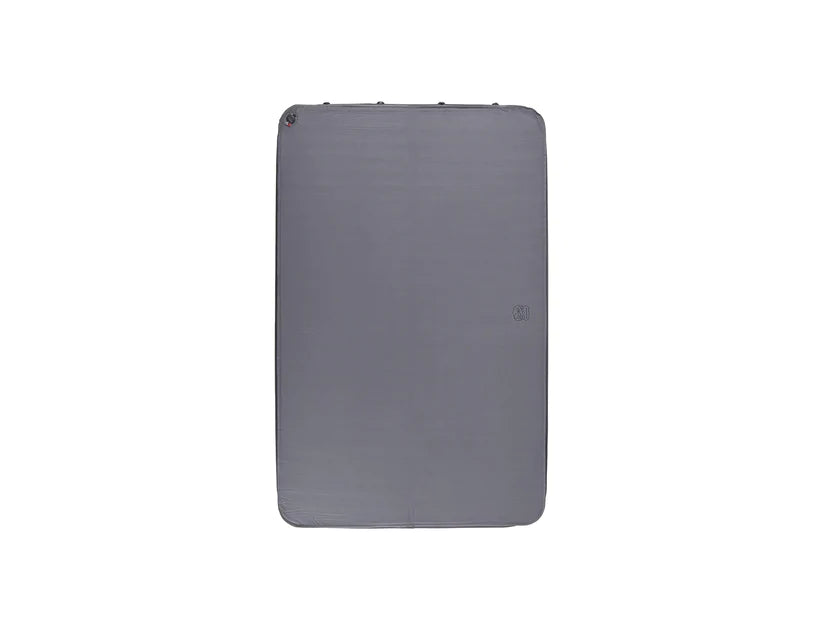
Kakadu FatMat 15 Double Mattress
Price: $399.00
Type: Premium double tent mattress | Fits: Most double-size tents & RTTs
Build: 15cm (~6") thick foam, double-bed sizing, premium fabric cover
The Kakadu FatMat 15 Double is the premium camping mattress for couples and anyone who wants real-bed thickness inside their tent. At 15cm (just under 6") thick, this is one of the thickest tent mattresses on the market, with premium foam that genuinely sleeps like a home mattress rather than a glorified sleeping pad. Double-bed sizing fits inside most 2-person and larger roof top tents and ground tents. The right pick for couples who care about sleep quality more than packed size, and for owners running a permanent base camp setup where the mattress lives in the tent.
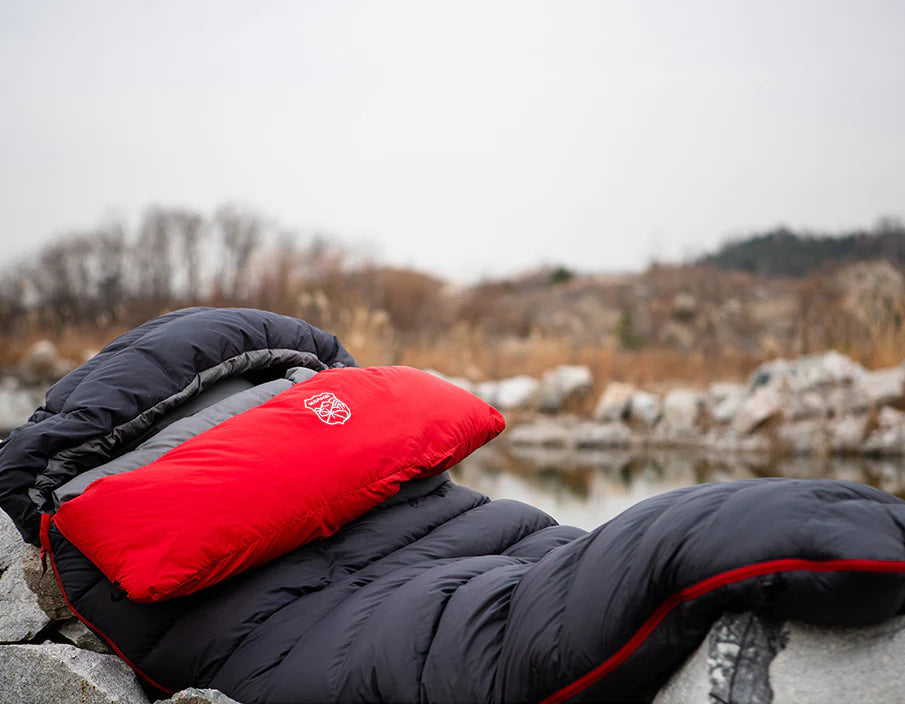
iKamper RTT Sleeper
Price: $447.00
Type: Premium RTT-specific bedding system | Fits: iKamper RTTs
Build: Premium fabric construction, integrated layer system, fitted-sheet design
The iKamper RTT Sleeper is the flagship tent bedding system for iKamper owners who want the best permanent-install bedding the brand makes. Same fitted-sheet design philosophy as the DPL version with upgraded fabric quality and additional integrated features. Designed to live inside your iKamper roof top tent permanently and stay perfectly positioned when the tent folds closed and opens again. The premium pick when you'll use the RTT 20+ nights per year and want the bedding handled in a single permanent install.
Sleeping Bags, Bedding & Mattresses Compared
| Product | Type | Best For | RTT or Standalone? | Price |
|---|---|---|---|---|
| Kakadu Drover 20 Sleeping Bag | Cold weather sleeping bag (20°F) | Cold trips, traditional bag setup | Both | $169.00 |
| iKamper RTT Blanket DPL | Premium camping blanket | Mild weather, layered comfort | Both | $215.00 |
| iKamper Self-Inflating Mattress | Self inflating RTT mattress | iKamper RTT mattress upgrade | iKamper RTT-specific | From $240.00 |
| iKamper RTT Sleeper DPL | RTT fitted sheet bedding system | Permanent install, premium | iKamper RTT-specific | $360.00 |
| Kakadu FatMat 15 Double | Premium double tent mattress | Couples, base camp setups | Both | $399.00 |
| iKamper RTT Sleeper | Flagship RTT bedding system | Premium permanent RTT install | iKamper RTT-specific | $447.00 |
Sleeping Bag, Blanket, or RTT Bedding System: Which Should You Pick?
The right sleep setup depends on how you camp, what kind of tent you sleep in, and how much you care about sleep quality vs setup speed. Whether you need a traditional camping sleeping bag, a layered camping blanket, a thick camping mattress, dedicated camping sheets, or a fitted sheet for roof top tent permanent install, the three main approaches below cover most overlanders.
Traditional camping sleeping bag (Kakadu Drover 20) is the right pick for buyers who camp in different tents on different trips, sleep in ground tents and roof top tents interchangeably, or want a single camping sleeping bag that handles 3-season conditions. The Drover's 20°F rating handles real cold without overheating in mild weather, and the rugged cotton canvas construction lasts decades. Best when versatility matters more than RTT-specific integration.
Camping blanket (iKamper RTT Blanket DPL) is the right pick for owners who hate the mummy-bag feel, camp in mild weather, or want layered control over temperature throughout the night. A premium camping blanket lets you vent on warm nights and tuck tight on cold ones in a way that a sealed sleeping bag for camping can't match. Best for couples sharing a bed and three-season overland trips in moderate climates.
RTT-specific bedding system (iKamper RTT Sleeper, RTT Sleeper DPL, self inflating mattress) is the right pick for owners who run a permanent setup inside their roof top tent. The fitted-sheet bedding (effectively dedicated camping sheets for RTT use) stays in place when the tent folds, the self inflating mattress upgrades the factory floor, and the system is ready to use the moment you open the tent. Best when you use the RTT 20+ nights per year and want sleep setup to be zero-effort at camp.
The hybrid approach most overlanders end up running: A self-inflating mattress and fitted sheet for roof top tent permanent install, plus a Kakadu Drover sleeping bag stored in the truck for cold trips and a camping blanket for mild ones. The RTT bedding handles the base layer, the sleeping bag adds warmth when needed, and the blanket handles in-between conditions. This is the setup that maximizes comfort across the widest range of conditions.
Sleeping Bag Temperature Ratings: What They Mean
Camping sleeping bag temperature ratings are confusing because manufacturers don't all use the same system. Here's how to think about ratings on this page and across the broader camping sleeping bag market.
A "20°F sleeping bag" like the Kakadu Drover means the bag will keep an average adult survival-warm at 20°F but won't necessarily be comfortable at that temperature. The European EN/ISO rating system splits this into Comfort, Limit, and Extreme ratings: Comfort is when an average woman sleeps comfortably, Limit is when an average man sleeps comfortably curled up, and Extreme is the survival-threshold rating. Most American manufacturers publish a single number that falls somewhere between Limit and Extreme.
The practical rule: Add 10-15°F to any published camping sleeping bag temperature rating to get its real comfort rating. A 20°F bag is comfortable down to about 30-35°F for most adults. A 40°F bag is comfortable down to about 50-55°F. Buy a camping sleeping bag rated 10-15°F colder than the lowest temperature you actually expect to see, and you'll sleep well rather than just survive. For colder trips, layer the sleeping bag inside roof top tent bedding (the RTT Sleeper plus matched tent sheets give you an additional thermal layer that effectively boosts the bag's rating by 5-10°F).
Roof Top Tent Mattress Upgrades: When to Replace the Factory Mattress
Most factory roof top tent mattresses are 2-3 inches thick and use mid-density foam that's adequate for occasional camping but uncomfortable for buyers who use the RTT 20+ nights per year. Upgrading to a self inflating mattress or a thicker dedicated rooftop tent mattress is the single highest-impact comfort upgrade you can make to an RTT, and is one of the most common reasons buyers shop the camping mattress category in the first place.
Self inflating mattress upgrades like the iKamper option on this page combine 4" of open-cell foam with air, giving you significantly better sleep than the factory mattress without adding much weight or stowed thickness when the tent is closed. A self inflating mattress also provides thermal isolation from open-cell foam that makes a real difference in cold weather; the factory mattress's lower insulation value is one of the main reasons RTT owners feel cold in winter.
Premium double camping mattress upgrades like the Kakadu FatMat 15 are the right pick for permanent base camp setups, RTTs with extension panels that need extra-thick mattresses, or buyers who genuinely want a "real bed" inside the tent. The 6" thickness is excessive for daily-fold RTT use, but it's a game-changer for base camp configurations where the tent stays open for days. The FatMat works equally well as a standalone camping mattress inside ground tents.
Tent Bedding Materials: Cotton vs Synthetic vs Down
Three main material categories exist for sleeping bags, blankets, and tent bedding, and the right pick for your camping sleeping bag depends on climate and how you actually use the gear.
Cotton (Kakadu Drover): Heavy and bulky, but extremely durable and comfortable. A cotton camping sleeping bag lasts decades, breathes naturally, and feels like home bedding. The downside is moisture: cotton absorbs water aggressively and loses insulation when damp. Best for overlanders camping in dry climates or anyone using the bag inside a fully weatherproofed roof top tent where moisture isn't an issue.
Synthetic (iKamper DPL fabric, most modern bags): Lighter than cotton, dries faster, and maintains insulation when damp. The trade-off is shorter lifespan (most synthetic bags last 5-10 years vs cotton's 15-20+) and a less comfortable feel against bare skin. Best for variable-climate overlanders and anyone camping in humid or rainy regions where moisture management matters.
Down (premium specialty bags): The lightest and most compressible option with the best warmth-to-weight ratio. Down is the right material for backpacking and weight-sensitive use cases, but it loses all insulation when wet and costs significantly more than cotton or synthetic. Not the right choice for most overland buyers who don't have to carry the bag long distances.
Frequently Asked Questions
Do I need a sleeping bag if my roof top tent has a built-in mattress?
Yes, in most conditions. The factory mattress provides cushioning and basic thermal isolation, but you still need bedding on top: a camping sleeping bag, blanket, or RTT-specific bedding system to provide warmth. In hot weather above 70°F overnight, you can sometimes get away with just a sheet over the mattress; below that, you'll want a camping sleeping bag, camping blanket, or fitted sheet for roof top tent paired with a top layer.
What's the difference between an RTT Sleeper and a regular fitted sheet?
An RTT Sleeper is a fitted-sheet bedding system specifically dimensioned and engineered for roof top tent mattresses, with stretch and elastic geometry that keeps the sheet in place when the tent folds closed. A regular bedsheet has the wrong dimensions for RTT mattresses (which are wider and shorter than a standard bed mattress) and the wrong elastic system to stay in place during fold-and-unfold cycles. The iKamper RTT Sleeper and RTT Sleeper DPL are both purpose-built for iKamper RTT dimensions.
Will a thick mattress fit inside my roof top tent when it folds closed?
It depends on the tent and the mattress. Self-inflating mattresses like the iKamper option deflate to a much thinner profile when the tent closes (which is why they work for daily-fold use). Premium thick mattresses like the Kakadu FatMat 15 Double work best in base camp setups where the tent stays open for days at a time, or in tents with enough internal closed-height clearance to fold over the thicker mattress. Confirm your tent's closed clearance before ordering a non-deflating mattress.
Can I use a regular sleeping bag inside a roof top tent?
Yes. Any camping sleeping bag works inside an RTT just as it works inside a ground tent. The Kakadu Drover and similar sleeping bags are designed to work in any tent type. The main RTT-specific consideration is storage: a roll-up camping sleeping bag needs to be stowed when you fold the tent, while an RTT-specific bedding system (RTT Sleeper) stays permanently installed. Most overlanders run both: an RTT Sleeper for the base layer plus a camping sleeping bag for the cold trips.
How do I keep my tent bedding dry?
Three main rules: ventilate the tent (open windows partially even in cold weather to vent body moisture), never bring wet gear inside the sleeping area (wet boots, jackets, and packs all transfer moisture to bedding), and air the bedding out at home between trips (storing damp tent bedding is the fastest way to create mold). For permanent RTT-installed bedding like the iKamper RTT Sleeper, unfold the tent every 4-6 weeks during the off-season to let everything air out.
Related
Roof Top Tents
Hard shell and soft shell roof top tents from iKamper, OVS, Tuff Stuff, and other premium brands that pair with the bedding on this page.
Swag Tents
Canvas swag tents from Kakadu and OVS with built-in mattresses, an alternative to traditional tent + bedding combinations.
Need Help Picking the Right Camping Sleeping Bag or Bedding?
Tell us your tent, climate, and how you actually sleep. We will match you with the right sleeping bag, blanket, or RTT bedding system.