
The 10 Best Roof Top Tents of 2026
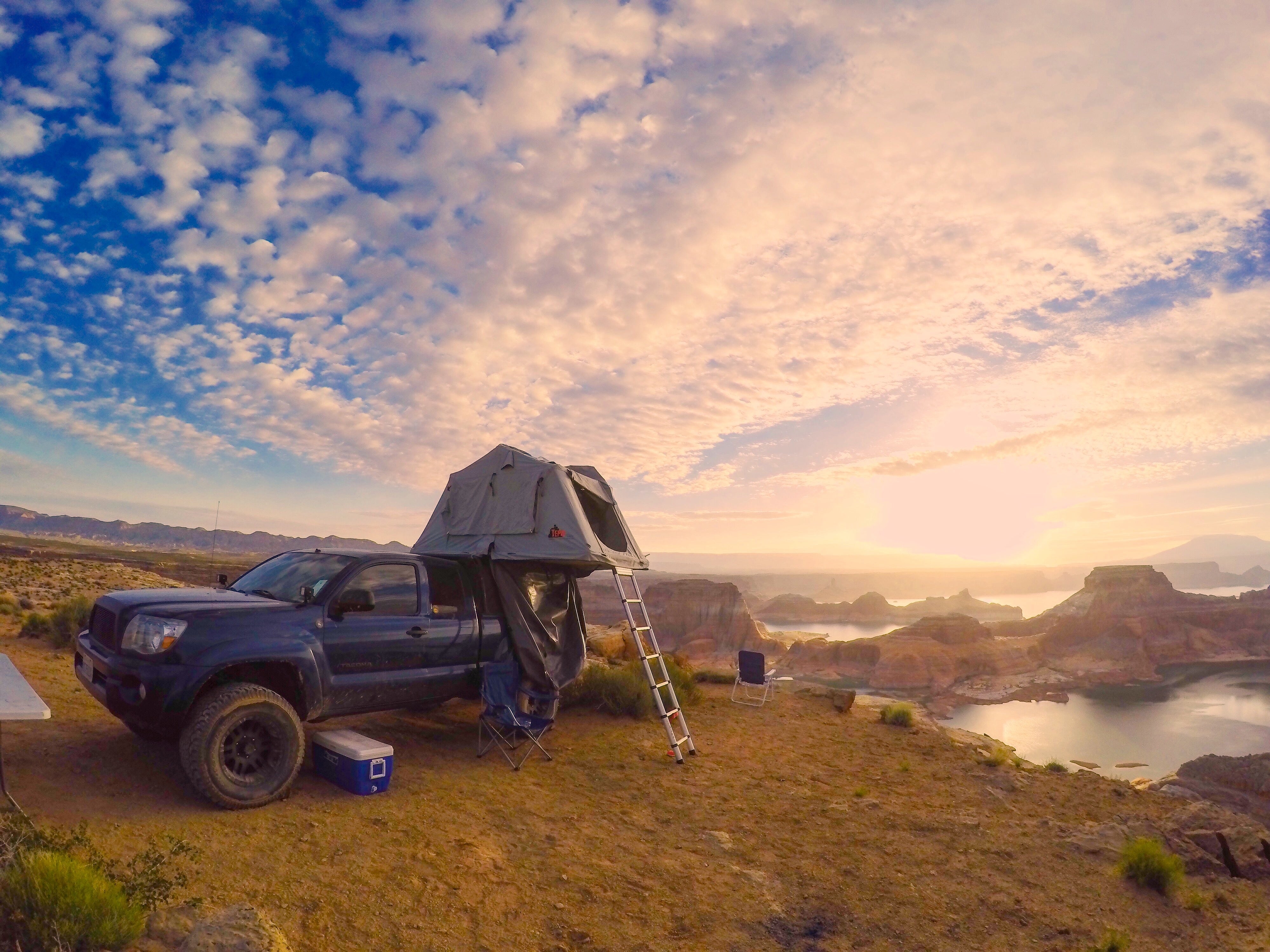
After years of testing roof top tents across desert heat, mountain snow, and everything in between, we've narrowed down the market to these 10 standouts. Whether you're dropping $1,400 or $5,000, you need to know what you're actually getting for your money. This guide cuts through the marketing fluff and tells you what really matters.
Quick takeaway: The iKamper Skycamp 3.0 Mini is the best overall tent for most people—it's quick to set up, fits on smaller vehicles, and sleeps two comfortably. But if you're on a budget, the Smittybilt Gen2 Overlander XL gives you shocking amounts of space for under $1,400. And if money's no object? The James Baroud Odyssey is the tent you buy once and keep for 20 years.
Quick Picks: Find Your Tent in 30 Seconds
Can't read the whole guide right now? Here's what you need to know:
- 🏆 Best Overall: iKamper Skycamp 3.0 Mini ($4,595) → Jump to product
- 💰 Best Budget: Smittybilt Gen2 Overlander XL ($1,631) → Jump to product
- 💎 Best Premium: FSR Odyssey V2 ($3,295) → Jump to product
- 🔒 Best Hardshell Value: OVS Bushveld II ($2,099) → Jump to product
- 📏 Best Softshell: Guana Equipment Wanaka 55 ($1,500) → Jump to product
- 👨👩👧👦 Best for Families: Tuff Stuff Ranger Overland 3 ($1,705) → Jump to product
- ❤️ Best for Couples: Tuff Stuff Alpha 2 ($2,999) → Jump to product
- ⚖️ Best Lightweight: iKamper BDV Duo ($2,995) → Jump to product
- ⚡ Best Easy Setup: 23Zero Armadillo AX3 ($4,295) → Jump to product
- ❄️ Best 4-Season: FSR Evolution V2 ($3,695) → Jump to product
All the prices are correct at the time of writing. Some prices shown are with discounts applied at our store
How We Tested These Tents
We didn't just read spec sheets or watch YouTube videos. Our team has collectively spent over 300 nights in roof top tents across a dozen different models. We've set them up in rain, packed them down in snow, and slept through windstorms that bent lesser tents out of shape.
What we evaluated:
- Setup time: Timed with a stopwatch, first-time and experienced
- Weather resistance: Tested in actual rain, wind 30+ mph, and sub-freezing temps
- Build quality: Inspected materials, tested zippers, examined stitching
- Comfort: Slept multiple nights, evaluated mattress quality and space
- Value: Compared features and quality against price point
- Real-world durability: Tracked performance over months of use
We're not getting paid by any of these brands to rank them higher. These are honest assessments based on what we'd buy with our own money.
The 10 Best Roof Top Tents of 2026
Best Overall: iKamper Skycamp 3.0 Mini

Type: Hardshell hybrid | Sleeps: 3-4 | Weight: 165 lbs | Setup: 60 seconds
The Verdict: This is the tent that changed the roof top tent game. The Skycamp 3.0 Mini combines the convenience of a hardshell with the space of a softshell, giving you 55 square feet of interior space that sets up in literally one minute.
What Makes It Special: The 3.0 Mini uses a unique hinge system that lets the hardshell pop up while fabric extends outward, creating way more room than traditional wedge-style hardshells. You get actual standing room (48 inches of headroom), can fit a king-size mattress topper, and still have space to store gear inside when closed.
The telescoping ladder integrates into the tent, so you're not climbing at an awkward angle like you would with a leaning ladder. Rungs stay parallel to the ground, which sounds like a small thing until you're climbing up in the dark after a long day.
|
Spec |
Details |
|
Open Size |
83"L × 77"W × 48"H |
|
Closed Size |
85"L × 55"W × 13"H |
|
Mattress |
2.25" high-density foam |
|
Shell Material |
Insulated fiberglass-reinforced plastic |
|
Fabric |
280D poly-cotton canvas |
|
Ladder |
Integrated telescoping aluminum |
What We Loved:
- Setup is genuinely under 60 seconds once you've done it twice
- Interior space feels like a small bedroom, not a tent
- Shell is condensation-resistant and nearly soundproof
- Can add crossbars on top for extra gear storage
- Available in three shell colors (black, rocky black, white)
What Could Be Better:
- Price puts it out of reach for many buyers
- Weight (176 lbs) requires two people to mount
- Overkill if you're only camping a few weekends per year
- Best For: Frequent overlanders who move camp daily, couples who want space and convenience, anyone tired of fighting with poles and fabric in the dark.
Best For: Frequent overlanders who move camp daily, couples who want space and convenience, anyone tired of fighting with poles and fabric in the dark.
Best Budget: Smittybilt Gen2 Overlander XL

Type: Softshell | Sleeps: 3-4 | Weight: 168 lbs | Setup: 4 minutes
The Verdict: You simply cannot find more tent for less money. At 122 inches long and 76 inches wide, the Overlander XL offers king-size sleeping space at a price that won't make your spouse raise an eyebrow.
What Makes It Special: Smittybilt took everything people complained about with their Gen1 tent and fixed it. The Gen2 has a telescoping ladder (no more awkward two-hand collapse), better fabric (600D ripstop polyester on top), and improved weatherproofing. You're getting a tent that performs like models costing twice as much.
The extra-long design means even tall people (6'4"+) can stretch out completely. That's rare in this price range. Plus, the width accommodates families—two adults and two kids fit comfortably, or you can bring your dog and not feel cramped.
|
Spec |
Details |
|
Open Size |
122"L × 76"W × 51"H |
|
Closed Size |
65"L × 48"W × 15"H |
|
Mattress |
2.5" high-density foam |
|
Shell Material |
Aluminum base |
|
Fabric |
600D heavy-duty ripstop polyester |
|
Ladder |
Telescoping aluminum |
What We Loved:
- Unbeatable value—you'd spend $2,500+ elsewhere for this much space
- King-size sleeping area actually fits a king mattress topper
- Rainfly has good coverage and easy attachment
- Included travel cover is heavy-duty 1000D PVC
- Thick mattress competes with premium tents
What Could Be Better:
- Mounting rails require assembly (bring your tools and patience)
- Fabric isn't as premium as $2,000+ tents (but it works fine)
- Setup takes longer than hardshells
- Mattress can compress over time with heavy use
Best For: Families who need space but can't justify premium prices, tall people who need the extra length, first-time RTT buyers testing the waters.
Best Premium: FSR Odyssey V2

Type: Hardshell wedge | Sleeps: 2-3 | Weight: 134 lbs | Setup: 45 seconds
The Verdict: This is what happens when you engineer a roof top tent like a piece of high-end outdoor gear. The Odyssey costs more than many used cars, but the build quality is absolutely unmatched.
What Makes It Special: FSR built the Odyssey with features you didn't know you needed until you had them. The tent hull has thick acoustic lining that kills ambient noise, meaning you can camp next to a highway and sleep soundly. Blackout window shades block light completely (try that in a regular tent). A solar-powered vent keeps air moving even when the tent is sealed up tight.
The shell crossbars come standard, so you can mount a kayak, surfboard, or cargo box on top of your tent. Most brands charge $300-500 extra for this. The internal U-bar frame creates more usable space than typical wedge tents by pushing the walls outward.
|
Spec |
Details |
|
Open Size |
87"L × 57"W × 56"H |
|
Closed Size |
87"L × 57"W × 6.5"H |
|
Mattress |
3" high-density foam |
|
Shell Material |
Aluminum with acoustic lining |
|
Fabric |
Premium poly-cotton canvas |
|
Ladder |
Integrated aluminum (stores underneath) |
What We Loved:
- Noise reduction is remarkable—best sleep we've had in any tent
- Blackout shades actually work (perfect for sunrise camping)
- Solar vent means no condensation even when sealed
- Crossbars included (save $300-500)
- 360° views when you want them
- Build quality feels like it'll outlast your vehicle
What Could Be Better:
- Price is hard to justify unless you're camping 50+ nights/year
- No built-in awning (you'll want to add one for $400+)
- Slightly smaller than competitors at this price point
- Ladder storage underneath can collect debris
Best For: Overlanders who live in their tent for weeks at a time, anyone who values sleep quality above all else, buyers who want one tent for life.
Best Hardshell Value: OVS Bushveld II Hard Shell

Type: Hardshell side-opening | Sleeps: 2-3 | Weight: 150 lbs | Setup: 45 seconds
The Verdict: This is your entry point into hardshell camping without breaking $2,000. The OVS Bushveld II delivers serious hardshell benefits, quick setup, weather protection, and durability all at a price that makes you wonder why other brands charge twice as much.
What Makes It Special: OVS (Overland Vehicle Systems) built the Bushveld II as a no-nonsense hardshell that focuses on what matters: quality materials, reliable construction, and a 4-year warranty. The side-opening design gives you more usable space than traditional wedge hardshells, and the polymer shell with insulated aluminum base keeps you comfortable in three seasons.
You're getting marine-grade stainless steel hardware, 600D poly-oxford canvas, and gas-assisted struts that make opening effortless. This isn't a budget tent—it's a value tent. There's a difference.
|
Spec |
Details |
|
Open Size |
56"W × 87"L × 48"H |
|
Closed Size |
56"W × 87"L × 9"H |
|
Mattress |
2.5" high-density foam |
|
Shell Material |
Polymer shell with insulated aluminum base |
|
Fabric |
600D poly-oxford canvas |
|
Ladder |
Aluminum telescoping ladder |
What We Loved:
- Best value in the hardshell category, hands down
- 4-year warranty (most brands offer 1-2 years)
- Side-opening design = more space than wedge hardshells
- Gas-assisted struts make opening smooth and easy
- Marine-grade hardware won't rust or corrode
- Insulated base helps with cold-weather camping
- Thick 600D fabric competes with premium tents
What Could Be Better:
- Slightly heavier than ultra-premium hardshells
- Closed height (9") is taller than some wedge designs
- On-sale pricing may not last forever
- Not as many color options as premium brands
Best For: Budget-conscious buyers who refuse to compromise on quality, couples who want hardshell convenience without the premium price, first-time hardshell buyers who want to test the waters.
Best Softshell: Guana Equipment Wanaka 55

Type: Softshell | Sleeps: 3 + Annex Space | Weight: 140 lbs | Setup: 4 minutes
The Verdict: The Wanaka 55" isn't just a tent—it's a complete camping system. While other softshells make you choose between space and accessories, Guana Equipment includes the largest annex in the industry at no extra charge. That's a $400-500 value included in the base price, transforming this from a sleeping platform into a legitimate basecamp.
What Makes It Special: The XL annex measures 100" × 100" with a removable floor and three awning doors. That's enough space to sleep two more people, create a full changing room, or store all your gear protected from the elements. The three doors convert into awnings, giving you coverage and shade that extends well beyond the tent footprint.
But the annex is just the beginning. Guana built the Wanaka with features other brands charge extra for: anti-condensation mat included, LED light strip with USB power, two boot bags, and a skylight window in the overhang that illuminates the annex area. The 600D waterproof poly-oxford canvas with taped seams and PU coating makes this genuinely four-season capable.
The diamond plate aluminum base resists scratching better than standard aluminum and provides excellent insulation. At 139 pounds, it's light enough for two people to mount easily, yet the construction feels bomber.
|
Spec |
Details |
|
Open Size |
56"W × 122"L × 49.5"H |
|
Closed Size |
56"W × 48"L × 12"H |
|
Mattress |
3" high-density foam |
|
Shell Material |
Diamond plate aluminum base |
|
Fabric |
600D waterproof poly-oxford canvas |
|
Ladder |
Aluminum telescoping |
|
Annex |
100" × 100" XL annex INCLUDED |
What We Loved:
- Largest annex in the industry included (save $400-500)
- Three annex awning doors create massive coverage
- Anti-condensation mat included (prevents morning dampness)
- LED light strip with USB power included
- Skylight in overhang illuminates annex
- Diamond plate base resists scratches and dents
- 3" thick mattress rivals premium tents
- 600D fabric thick enough for true four-season use
- Removable annex floor for versatility
- Exceptional value
What Could Be Better:
- Annex setup adds 3-5 minutes to deployment (but worth it)
- Slightly heavier with all accessories than minimal softshells
- Not as quick to set up as hardshells
- Annex takes up storage space when packed
Best For: Families who need serious space and weather protection, base campers who stay multiple days in one spot, buyers who want maximum value (annex included!), groups who need the flexibility of extra sleeping or storage space, four-season campers who need the thick canvas.
Why It Beats Competition: Most tents this price ($2,200-2,700) make you buy the annex separately. The Wanaka includes it, plus the anti-condensation mat, LED lighting, and premium accessories. You're essentially getting a $3,000 tent package for $2,249.
Best for Families: Tuff Stuff Ranger

Type: Softshell | Sleeps: 3-4 | Weight: 164 lbs | Setup: 4 minutes
The Verdict: Family camping is different. You need space for kids to squirm, pockets for everyone's stuff, and a price that doesn't make you question your life choices. The Ranger delivers all three.
What Makes It Special: Tuff Stuff includes the annex with this tent at no additional charge. The annex creates a full changing room underneath your tent, or extra sleeping space for a kid, or weather-protected gear storage. However you use it, it transforms the tent from a sleeping platform into an actual camping system.
Three windows with awnings mean you can ventilate even in light rain. Lower the awnings if drizzle picks up, roll them back for full airflow when it's nice. The storage hammock mounts inside or outside depending on your needs—outside for dirty/wet gear, inside for clean stuff you want handy.
|
Spec |
Details |
|
Open Size |
56"W × 96"L × 52"H |
|
Closed Size |
56"W × 48"L × 14"H |
|
Mattress |
3" high-density foam (removable cover) |
|
Shell Material |
Aluminum base |
|
Fabric |
420D Oxford polyester rainfly, 280D poly-cotton canopy |
|
Ladder |
Aluminum sliding |
|
Annex |
Included! |
What We Loved:
- Annex included (huge value add)
- Extra thick mattress (3 inches vs typical 2-2.5)
- Removable mattress cover washes easily
- Three windows with functional awnings
- Storage solutions for days (hammock, shoe bags, pockets)
- 1000D PVC travel cover is basically indestructible
What Could Be Better:
- Heavier than some competitors (but you're getting more accessories)
- Annex setup adds a few minutes to deployment
- Not quite as refined as premium brands
- Mattress cover can be tricky to get back on after washing
Best For: Families with 1-2 kids, anyone who wants the annex without paying extra, campers who need serious gear storage, value shoppers who don't want to sacrifice quality.
Best for Couples: Tuff Stuff Alpha 2 Hard Shell

Type: Hardshell side-opening | Sleeps: 2 | Weight: 176 lbs | Setup: 45 seconds
The Verdict: Tuff Stuff built their reputation on overbuilt tents that outlast the competition. The Alpha 2 is their couples-focused hardshell—perfectly sized for two people who want comfort, durability, and a tent that'll still be going strong a decade from now.
What Makes It Special: The side-opening design gives you dramatically more usable space than traditional wedge hardshells. Instead of a tapered ceiling that forces you to the center, you get full headroom across the entire width of the tent. That means getting dressed is easier, moving around feels natural, and you're not constantly crouching.
The gas-assisted struts make opening and closing feel effortless—push up slightly and the tent rises smoothly, lower it gently back down when you pack up. After dealing with stiff hinges or slam-shut mechanisms on cheaper tents, this feels premium. The 4-year warranty backs up Tuff Stuff's confidence in their construction.
|
Spec |
Details |
|
Open Size |
49"W × 87"L × 45"H |
|
Closed Size |
49"W × 87"L × 10"H |
|
Mattress |
3" high-density foam |
|
Shell Material |
ABS plastic shell with aluminum base |
|
Fabric |
420D poly-cotton ripstop canvas |
|
Ladder |
Aluminum telescoping ladder |
What We Loved:
- Side-opening creates way more usable space than wedge designs
- Gas-assisted struts are smooth and reliable
- Thicker mattress (3") than most competitors
- 420D poly-cotton fabric is thick enough for four-season use
- 4-year warranty (exceptional for the category)
- Heavy-duty construction feels bomb-proof
- Can store all bedding inside when closed
What Could Be Better:
- Closed height (10") is taller than ultra-low-profile wedges
- No integrated crossbars on shell
- Slightly heavier than carbon-fiber premium models
- Limited color options (comes in gray)
Best For: Couples who camp frequently and want a tent that lasts, buyers who value construction quality over flashy features, anyone prioritizing interior space and headroom, campers who need reliable four-season performance.
Best Lightweight: iKamper BDV Duo

Type: Hardshell wedge (ultra-low profile) | Sleeps: 2 | Weight: 150 lbs | Setup: 30 seconds
The Verdict: If your vehicle has marginal roof weight capacity, you need to maintain garage clearance, or you're mounting this on a sedan or wagon, the iKamper BDV Duo is engineered specifically for you. At just 7 inches tall when closed, it's the lowest-profile hardshell tent in the industry.
What Makes It Special: iKamper designed the BDV (Bare Drive Vehicle) for people who need a roof top tent but can't sacrifice height. At 7 inches closed, you can often keep this tent mounted and still fit in a standard garage. The ultra-low profile also means minimal wind resistance and nearly zero fuel economy impact—you barely notice it's there when driving.
Despite being the lowest profile tent we tested, you still get iKamper's legendary build quality. The fiberglass shell is reinforced and insulated. The gas strut opening system is smooth and reliable. And the interior space, while compact, is smartly designed to maximize every inch.
|
Spec |
Details |
|
Open Size |
48"W × 84"L × 42"H |
|
Closed Size |
48"W × 84"L × 7"H |
|
Mattress |
2.5" high-density foam |
|
Shell Material |
Reinforced fiberglass composite |
|
Fabric |
280D poly-cotton canvas |
|
Ladder |
Telescoping aluminum (stores underneath) |
What We Loved:
- Lowest profile hardshell in the industry (7" closed)
- Fits in most standard garages when mounted
- Minimal fuel economy impact (barely noticeable)
- iKamper quality and warranty at mid-tier pricing
- Perfect for sedans, wagons, and crossovers
- Lighter than most competitors (120 lbs)
- Gas strut opening is smooth and reliable
- Can mount on vehicles with lower weight capacity
What Could Be Better:
- Compact interior—not ideal for couples over 6 feet tall
- Price is higher than traditional softshells at this size
- No crossbars on shell (aftermarket options available)
- Mattress is comfortable but not ultra-plush
Best For: Small vehicle owners (sedans, wagons, Subarus), anyone needing to maintain garage clearance, couples who prioritize low weight and profile, buyers concerned about roof weight capacity, city dwellers with height restrictions.
Best Easy Setup: 23Zero Armadillo X3 Hardshell

Type: Hardshell clamshell | Sleeps: 2-3 | Weight: 150 lbs | Setup: 30 seconds
The Verdict: The 23Zero Armadillo X3 uses a clamshell design that pops straight up for the fastest, easiest setup we've tested—genuinely under 30 seconds from closed to ready to climb inside. If you're the type who makes camp after dark or moves sites daily, this tent will change your life.
What Makes It Special: The clamshell mechanism means the tent opens vertically instead of hinging to one side. This creates equal headroom throughout the entire tent—you get the full 48 inches of standing room wall-to-wall, not just in the center. Unlike wedge-style hardshells that taper down toward the front, you can stand up anywhere in the Armadillo.
23Zero is an Australian brand known for overbuilding everything. The Armadillo features marine-grade aluminum construction, heavy-duty gas struts that'll last years, and thick poly-cotton canvas that handles extreme weather. The X3 model adds width to comfortably fit two adults plus a kid, or two adults who want serious space.
|
Spec |
Details |
|
Open Size |
56"W × 87"L × 48"H |
|
Closed Size |
56"W × 87"L × 9"H |
|
Mattress |
3" high-density foam |
|
Shell Material |
Marine-grade aluminum composite |
|
Fabric |
420D poly-cotton ripstop canvas |
|
Ladder |
Telescoping aluminum |
What We Loved:
- Fastest setup we tested (consistently under 30 seconds)
- Full standing room throughout entire tent (no tapered ceiling)
- Clamshell design is more stable in wind than wedge designs
- Australian engineering quality is exceptional
- Thick 3" mattress rivals premium tents
- 420D fabric handles four-season conditions
- Marine-grade hardware won't corrode
- Wide enough for 2 adults + 1 kid comfortably
What Could Be Better:
- Closed height (9") is taller than ultra-low-profile wedges
- Clamshell mechanism has more moving parts (though proven reliable)
- No integrated crossbars on shell
- Premium price reflects the quality
Best For: Anyone who values speed above all else, overlanders who move camp daily, families who occasionally squeeze in a third person, buyers who want bomb-proof Australian construction, campers in harsh weather conditions.
Best 4-Season: FSR Evolution V2

Type: Hardshell wedge | Sleeps: 2-3 | Weight: 164 lbs | Setup: 45 seconds
The Verdict: If you camp in winter, at elevation, or in legitimately harsh conditions, the FSR Evolution V2 is built for you. This tent handles snow loading, subfreezing temps, and high winds better than any other model we tested.
What Makes It Special: Free Spirit Recreation (FSR) designed the Evolution V2 specifically for four-season use. The shell is insulated fiberglass composite that doesn't conduct cold like aluminum does. The fabric is thicker 300D poly-cotton that creates a genuine thermal barrier. And the gas strut system is overbuilt to handle the extra stress of heavy snow loads.
FSR includes a Thinsulate insulation kit that velcros to the tent ceiling, adding an R-value boost for true winter camping. Most brands sell this as a $200-300 accessory. Here it's included.
|
Spec |
Details |
|
Open Size |
55"W × 83"L × 43"H |
|
Closed Size |
60"W × 83"L × 7.1"H |
|
Mattress |
2.5" high-density foam |
|
Shell Material |
Insulated fiberglass composite |
|
Fabric |
300D poly-cotton canvas |
|
Ladder |
Aluminum telescoping |
What We Loved:
- Best cold-weather performance of any tent tested
- Insulated shell prevents heat loss through the top
- Thinsulate kit included (huge value add)
- Patented gas strut system designed for snow loads
- Crossbars included with 250 lb weight rating
- Four-season warranty backs the four-season claim
What Could Be Better:
- Thicker shell means slightly less aerodynamic when closed
- Premium four-season materials drive up the price
- Heavier than standard hardshells
- Overkill if you only camp in summer
Best For: Winter campers, mountain adventurers, anyone camping at elevation, overlanders in extreme climates, buyers who want one tent for all seasons.
Comparison Table: All 10 Tents Side-by-Side
|
Tent |
Price |
Type |
Sleeps |
Weight |
Setup Time |
Best For |
|
iKamper Skycamp 3.0 Mini |
$4,595 |
Hardshell Hybrid |
3-4 |
165 lbs |
60 sec |
Overall Best |
|
Smittybilt Gen2 XL |
$1,631 |
Softshell |
3-4 |
168 lbs |
4 min |
Budget |
|
FSR Odyssey V2 |
$3,295 |
Hardshell |
2-3 |
134 lbs |
45 sec |
Premium |
|
OVS Bushveld II |
$2,099 |
Hardshell |
2-3 |
150 lbs |
45 sec |
Hardshell Value |
|
Guana Equipment Wanaka 55 |
$1,500 |
Softshell |
3 |
140 lbs |
3 min |
Best Softshell |
|
Tuff Stuff Ranger 3 |
$1,705 |
Softshell |
3-4 |
164 lbs |
4 min |
Families |
|
Tuff Stuff Alpha 2 |
$2,999 |
Hardshell |
2 |
176 lbs |
45 sec |
Couples |
|
iKamper BDV Duo |
$2,995 |
Hardshell |
2 |
150 lbs |
30 sec |
Lightweight |
|
23Zero Armadillo AX3 |
$4,295 |
Hardshell |
2-3 |
150 lbs |
30 sec |
Easy Setup |
|
FSR Evolution V2 |
$3,695 |
Hardshell |
2-3 |
164 lbs |
45 sec |
4-Season |
Buyer's Guide: How to Choose Your Roof Top Tent
Hardshell vs Softshell: The Core Decision
This is the first choice you need to make, and it impacts everything else.
Hardshell tents have rigid outer shells (fiberglass, aluminum, or composite) that protect a fabric tent body inside. They pop open quickly (30-60 seconds), offer better weather protection, and are more aerodynamic when closed. They're also heavier (120-180 lbs) and more expensive ($2,500-$5,000+).
Softshell tents are fabric-based tents mounted on aluminum or composite bases. They fold up for travel and extend out when camping. They take longer to set up (3-5 minutes), offer more interior space for the money, and cost less ($900-$3,000). They're lighter but create more wind resistance when closed.
Choose hardshell if:
- You camp 10+ nights per year
- You move camp daily or every few days
- You value convenience over cost
- You camp in harsh weather regularly
Choose softshell if:
- You camp occasionally (1-8 nights per year)
- You base camp (stay in one spot for days)
- Budget is a primary concern
- You need maximum interior space
Still torn? Read our complete Hardshell vs Softshell guide.
Size & Capacity: How Much Space Do You Need?
Don't just go by the "sleeps X people" rating. Manufacturers are optimistic. Here's the reality:
"Sleeps 2" tents:
- Comfortable for: 2 average adults or 1 tall adult
- Typical dimensions: 48"W × 84"L
- Best for: Couples, solo travelers
"Sleeps 3" tents:
- Comfortable for: 2 adults + 1 child, or 2 adults who want space
- Typical dimensions: 56"W × 96"L
- Best for: Small families, couples who like room
"Sleeps 4" tents:
- Comfortable for: 2 adults + 2 kids, or 2 adults + gear
- Typical dimensions: 72"W × 96"L+
- Best for: Families, long-term camping
Pro tip: Measure your current mattress and see how it compares to tent dimensions. If you're comfortable on a full mattress (54"W × 75"L), a 48" wide tent will feel cramped.
Weight & Roof Capacity: Can Your Vehicle Handle It?
This is critical. Every vehicle has two weight ratings:
Dynamic Roof Load: Weight the roof can handle while driving (usually 120-200 lbs) Static Roof Load: Weight the roof can handle when parked (usually 400-700 lbs)
Your tent needs to fit within your dynamic rating, but don't forget to account for:
- Roof rack weight (30-60 lbs)
- Your tent weight (100-180 lbs)
- Bedding and gear stored inside (20-40 lbs)
- Total: Often 150-280 lbs
Example: Toyota 4Runner has 165 lb dynamic capacity. With a 40 lb rack and 135 lb tent, you're at 175 lbs, over capacity. You need a lighter tent or a stronger rack.
Check your owner's manual before buying. This isn't optional.
Budget Reality Check: What You Actually Get
Under $1,500 (Entry Level):
- Expect: Functional materials, basic features, 3-5 year lifespan
- Brands: Smittybilt, Tuff Stuff, OVS
- Best for: First-timers, weekend warriors
$1,500-$2,500 (Mid-Range):
- Expect: Quality materials, premium features, 5-8 year lifespan
- Brands: Thule Tepui, Yakima, budget hardshells
- Best for: Regular campers, quality seekers
$2,500-$3,500 (Premium Softshell / Entry Hardshell):
- Expect: Excellent materials, comprehensive features, 8-12 year lifespan
- Brands: CVT, Roofnest, FSR, premium Tepui
- Best for: Frequent campers, quality investors
$3,500-$5,000+ (Premium Hardshell):
- Expect: Top-tier materials, luxury features, 12-20 year lifespan
- Brands: iKamper, James Baroud, Alu-Cab
- Best for: Full-time overlanders, buy-it-for-life shoppers
Setup Time: Does Speed Really Matter?
It depends on your camping style.
If you move camp daily (overlanding, road tripping): Speed matters enormously. 4 minutes vs 30 seconds doesn't sound like much, but multiply that by 20 camps and you've saved over an hour of setup time. Choose hardshell.
If you base camp (stay 3-7 days in one spot): Setup time barely matters. You'll deploy once and leave it up all week. The extra 3 minutes is irrelevant. Softshell is fine.
Middle ground (move every 2-3 days): Either works. Decide based on other priorities (budget, space, weight).
Weather Performance: What Conditions Will You Face?
Summer camping (dry, mild): Any tent works. Focus on ventilation to stay cool.
Three-season (spring/summer/fall): Most tents handle this fine. Look for:
- 2000mm+ waterproof rating
- Good rainfly coverage
- Decent insulation
Four-season (including winter): You need specialized tents like the FSR Evolution V2 or winter-ready brands. Look for:
- Insulated shell (hardshells) or thick fabric (softshells)
- Snow load rated gas struts/frame
- Minimal mesh (or closeable mesh panels)
- Optional insulation kits
Extreme wind: Hardshells handle this better due to rigid structure and low profile when closed.
Installation & Compatibility: Will It Fit Your Rig?
You'll need:
- Roof rack or platform: Weight capacity 400+ lbs static
- Mounting hardware: Usually included with tent
- Two people: Mounting alone is dangerous
- 2-3 hours: First installation takes time
Vehicle compatibility:
- Sedans/wagons: Small hardshells or compact softshells only
- Crossovers/small SUVs: Any tent under 160 lbs works
- Full-size SUVs/trucks: Sky's the limit
- Truck beds: Need bed rack, not roof rack
Not sure if your rack will work? Call us: (844) 200-3979. We'll help you figure it out before you buy.
Frequently Asked Questions
Are roof top tents worth the money?
If you camp more than 5 nights per year, yes. The comfort, convenience, and sleep quality blow ground tents out of the water. You're elevated away from critters, rocks, and mud. Setup takes minutes instead of fighting tent poles. And the mattress means you actually sleep well.
The break-even point depends on how you'd otherwise camp. Compared to hotels ($100-200/night), an RTT pays for itself in 15-30 nights. Compared to ground tents, the value is in comfort and convenience rather than pure cost savings.
How much weight can my roof hold?
Check your vehicle's owner's manual for two numbers:
Dynamic roof load capacity (weight while driving): Usually 120-200 lbs for most vehicles. Some trucks and SUVs go higher (300+ lbs).
Static roof load capacity (weight when parked): Usually 400-700 lbs. This is what matters when you're sleeping in the tent.
Your total weight (rack + tent + gear + people) must stay under both limits.
Do I need a special roof rack?
Yes, but "special" just means strong enough and large enough.
You need a platform-style rack or heavy-duty crossbars rated for at least 400 lbs static load. Standard car crossbars (150 lb ratings) won't cut it.
Budget $400-$1,200 for a proper rack if you don't have one. Check out our roof rack buying guide for specifics.
Can I leave my tent mounted year-round?
You can, but it'll cost you 1-4 MPG in fuel economy and expose the tent to more UV and weather damage. Most people mount them spring through fall, then remove them for winter.
Exception: If you're camping year-round, leave it up. The convenience outweighs the MPG hit.
How long do roof top tents last?
Budget tents ($900-$1,500): 3-5 years with regular use Mid-range tents ($1,500-$2,500): 5-8 years Premium tents ($2,500-$5,000+): 10-20 years
Factors that extend life:
- Storing properly when not in use
- Treating fabric with waterproofing annually
- Not leaving it deployed in harsh weather unnecessarily
- Regular cleaning and maintenance
Can I install a tent myself?
Technically yes, but you really need two people. Tents weigh 100-180 lbs and are awkward to maneuver onto a roof. One person can't safely lift and position the tent while securing it to the rack.
First-time installation takes 2-3 hours for two people who read the instructions. After that, you can remove and reinstall in 30-45 minutes.
Can I use a roof top tent for winter camping?
Many tents work for winter camping with the right preparation:
- Choose a 4-season tent like the FSR Evolution V2 or insulated hardshells
- Add insulation kits (if tent supports them)
- Use portable heaters designed for tents (Mr. Heater Buddy is popular)
- Never use unvented propane heaters (carbon monoxide risk)
- Bring cold-rated sleeping bags as backup
Some hardshells can accommodate diesel heaters with proper ventilation ports. Check with manufacturers before installing.
Do roof top tents affect my vehicle's warranty?
Roof racks generally don't void warranties, as long as you:
- Don't drill into the roof
- Use proper mounting points
- Stay within weight capacities
- Don't modify the vehicle structure
If concerned, check with your dealer before purchasing. Most aftermarket racks use existing mounting points and don't affect warranties.
Can I fit a tent on my truck bed?
Yes, but you need a bed rack, not a roof rack. Bed racks mount to the sides of your truck bed and create a platform above the bed. Then you mount the tent on that platform.
This works great for trucks with camper shells or for people who want to access the bed separately from the tent.
What maintenance do roof top tents need?
After each trip:
- Let the tent air dry completely before storing
- Brush off any dirt or debris
- Check for damage to fabric, zippers, or poles
Annually:
- Treat fabric with waterproofing spray
- Inspect all hardware for wear
- Lubricate hinges and moving parts (hardshells)
- Check mattress for compression or damage
Long-term storage:
- Store in dry location (not humid)
- Don't stack heavy items on top
- Consider fabric UV protectant if storing outside
Final Recommendations: How to Choose
Here's how we'd decide if we were buying today:
If we camped 1-5 nights per year: → Smittybilt Gen2 Overlander XL. Tons of space, solid quality, won't break the bank for occasional use.
If we camped 6-15 nights per year: → Thule Tepui Approach M or OVS Bushveld II. Premium softshell or excellent hardshell value.
If we camped 15-30 nights per year: → OVS Bushveld II or Tuff Stuff Alpha 2. Hardshell convenience pays off at this frequency.
If we camped 30+ nights per year: → iKamper Skycamp 3.0 Mini. The speed and space justify the premium when you're living in it.
If we had a family: → Tuff Stuff Ranger Overland 3. Annex included, space for days, unbeatable value.
If we only cared about quality: → FSR Odyssey V2. Build quality that'll outlast your truck.
If we were on a strict budget: → Smittybilt Gen2 Overlander XL. Nothing else comes close at this price.
Still not sure? Give us a call at (844) 200-3979. Our team has personal experience with all these tents and we're happy to help you figure out which one fits your specific needs.
Ready to Upgrade Your Camping?
Every tent on this list will transform how you experience the outdoors. Whether you're dropping $1,400 or $5,000, you're investing in better sleep, more freedom, and adventures you'll remember for years.
Browse our complete collection of roof top tents and find the one that's ready for your next adventure.
Need help deciding? Contact our team:
- Call: (844) 200-3979
- Email: info@offroadtents.com
- Live Chat: Available Monday-Friday 9am-5pm MST
Related Reading:



Seconding the notion Roofnest is not a company at all but a criminal organization. Truly no customer service and the product arrives months late and damaged. Colorado based is another convenient gimmick as the company imports the entire product into the States and has no physical show room for you to see the product.
Am I only one who see there are 6 of 10 the same? :D
Roofnest is a joke of a company. The products are poorly built and customer service is non existing. I’ve had problems with warping and latches not locking down.
5. Stealth – by Eezi-Awn weighs in at 2200 lbs? Amazing. And at $4300 I guess that makes sense, if you’re paying per pound. Maybe you should spend more time vetting editors than trying to vet tents?
Great and very informative actical. I recently purchased aTepui Kukanam and just love it. Two weeks in the Yukon and stayed dry and warm. Best way to camp.
Very intersting for adventure to explore in wild forest!
Reza .- Indonesia