
23 Zero Roof Top Tent: Complete Buyer’s Guide & Product Overview
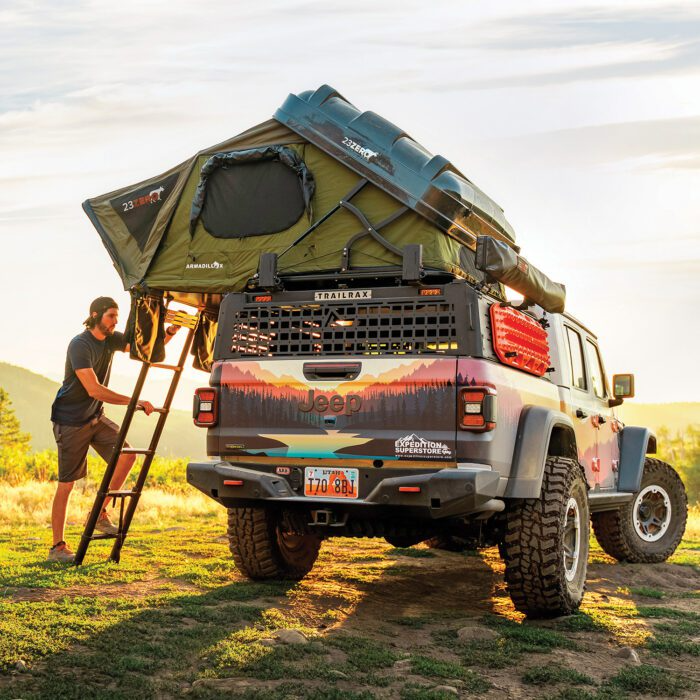
If you’ve spent any time researching rooftop tents for your next overland adventure, you’ve probably come across 23 Zero. This Australian-born brand has built a reputation for quality fabric technology, comfortable sleep systems, and tents that actually perform in real-world conditions. But with prices ranging from around $1,000 to over $3,000, you need to know exactly what you’re getting before you commit.
This guide breaks down everything you need to know about 23 Zero roof top tent options—from the standout features that matter most to fitment considerations and long-term ownership realities.
Quick Answer: Is a 23 Zero Roof Top Tent Worth It?
23 Zero rooftop tents have earned strong reviews for their comfort-focused design, proprietary Light Suppression Technology (LST), and reliable all-season performance. Whether you’re planning weekend trips to Utah or extended overland crossings through remote Australia, these tents are engineered to deliver quality sleep in challenging conditions.
The verdict: For serious overlanders and frequent campers who prioritize sleep quality and weather protection, a 23 Zero roof top tent is worth the investment.
Here’s what you need to know at a glance:
-
Key pros: LST fabric keeps the interior dark past sunrise and reduces heat buildup by up to 15%, Rebound Foam mattresses provide excellent support, durable polycotton canvas handles 4-season conditions
-
Key cons: Weight can impact fuel economy and handling, mid-to-premium pricing puts them above budget alternatives, larger models require robust roof rack systems
-
Soft shell vs hardshell: 23 Zero focuses primarily on soft shell designs (Walkabout, Breezeway, Dakota) that offer generous sleeping areas and ventilation but require slightly longer setup times compared to clamshell hardshells—expect 2-5 minutes versus under 60 seconds
-
Price range: New 23 Zero tents typically run USD $1,049–$3,300 depending on model size and features
-
Best for: Weekend overlanders, long-trip tourers, family campers, and anyone who values waking up rested after camping in bright or hot environments
What Is a 23 Zero Roof Top Tent?
Rooftop tents mount directly to your vehicle using a roof rack or bed rack system, elevating your sleeping area above ground level. This setup keeps you away from moisture, rocks, uneven terrain, and critters—making camp setup faster and more comfortable than traditional ground tents.
23 Zero is a dedicated overland and camping brand that’s been innovating in the RTT space since 2017. Based in Australia with strong distribution across the USA, the company focuses exclusively on rooftop tents, awnings, and touring gear designed for real-world adventure conditions.
When people search for “23 Zero roof top tent,” they’re typically looking at:
-
Walkabout series – Popular soft shell tents in various sizes
-
Breezeway series – Ventilation-focused designs with portal-style windows
-
Dakota series – Touring-oriented tents with integrated LST fabric
These tents are designed for off-road touring, multi-day trips, and year-round use rather than occasional fair-weather weekends. The brand has pioneered several features now considered industry standards, including integrated snow poles, vestibule hoops that allow packing without removal, and their signature light suppression technology lst coating.
Key 23 Zero Roof Top Tent Models to Know
23 Zero offers several series sized for different vehicles and group configurations. Here’s a quick overview of the models you’ll encounter most often:
-
Walkabout 62 2.0 – A soft shell tent with a queen-size bed, making it a popular 2-3 person option. Users consistently note the ease of setup and comfort on extended trips. The 62 fits well on mid-size trucks and larger SUVs.
-
Walkabout 56 2.0 – Slightly narrower than the 62 (closer to a full-size bed width), this model suits smaller suvs and wagons while maintaining strong user ratings for versatility and build quality.
-
Dakota 1400 Series 4 with LST – Positioned as a more touring-oriented tent with robust materials and enhanced all-season capability. The integrated LST fabric makes this a standout for hot-climate camping.
-
Breezeway rooftop tents – Designed for hot-weather camping, these tents feature superfine insect mesh and portal-style windows that maximize airflow while keeping weight manageable for faster setup.
New and used 23 Zero tents are commonly available through specialty overland retailers. Expect prices in the $1,000–$3,300 range depending on size, condition, and included features. Stock availability can vary seasonally, so check with dealers about current inventory.
Standout Features of 23 Zero Roof Top Tents
23 Zero differentiates itself through fabric technology, sleep quality, and weather protection. Here’s what sets these tents apart:
Light Suppression Technology (LST)
The LST fabric uses a multi-layered coating that dramatically reduces incoming sunlight and helps regulate interior heat. In practical terms, this means the tent stays dark well past sunrise—letting you sleep in without the sun cooking you awake at 5 AM. Testing shows LST can reduce internal temperatures by up to 15% compared to standard polycotton, which is a game changer for summer camping in places like the Utah desert or Australian outback.
Comfort and Sleep Quality
23 Zero tents feature 2-3 inch Rebound Foam mattresses with elevated latex content for rapid shape recovery. Unlike memory foam that tends to flatten over time, this foam provides a firmer feel that prevents side-sleepers from bottoming out. Many models include removable, water-resistant quilted toppers that add another layer of comfort while being easy to clean.
Construction Quality
These tents use durable polycotton canvas with high-denier rainfly materials and reinforced stitching at stress points. Hinges, mounting rails, and frame components are engineered to handle off-road vibration without loosening. The attention to build quality extends to details like weather seals and zipper covers that keep moisture out during storms.
Usability Features
Practical touches include stable telescopic ladders reaching up to 2.3 meters, large windows on multiple sides for cross-breeze ventilation, internal pockets and gear lofts for organization, and window stays that hold panels open at your preferred angle. Most users report the opening and closing mechanism becomes intuitive after a few uses.
All-Season Capability
Heavy-duty fabrics, robust weather seals, and optional annex rooms allow these tents to handle conditions from sub-zero nights to tropical heat. Guy ropes and additional tie-downs provide stability in high winds. That said, extreme snow loads still require caution—you’ll want to clear accumulation and avoid parking under branch hazards.
Real-World Performance: Camping With a 23 Zero RTT
The true test of any rooftop tent happens miles from home, on actual trips where weather, terrain, and fatigue put gear through its paces.
Setup and Pack-Down
Once mounted to your vehicle, deploying a 23 Zero soft shell tent involves removing the cover, unfolding the tent body, and extending the ladder. Expect 3-5 minutes for full setup once you’ve done it a few times. Pack-down follows the reverse order: fold bedding inside, collapse the frame, and secure the cover. The packed dimensions keep a relatively low profile on your roof, though you’ll notice the height at drive-throughs and parking garages.
Sleep Quality on Multi-Day Trips
The combination of Rebound Foam mattresses and LST fabric creates a sleeping environment that rivals home comfort. Users consistently report waking rested even after camping in bright conditions where sunrise would normally flood the tent. The dark interior also helps couples or families with different sleep schedules. Ventilation through multiple windows prevents stuffiness on warm nights while zip-up panels keep things sealed during storms.
Weather Performance
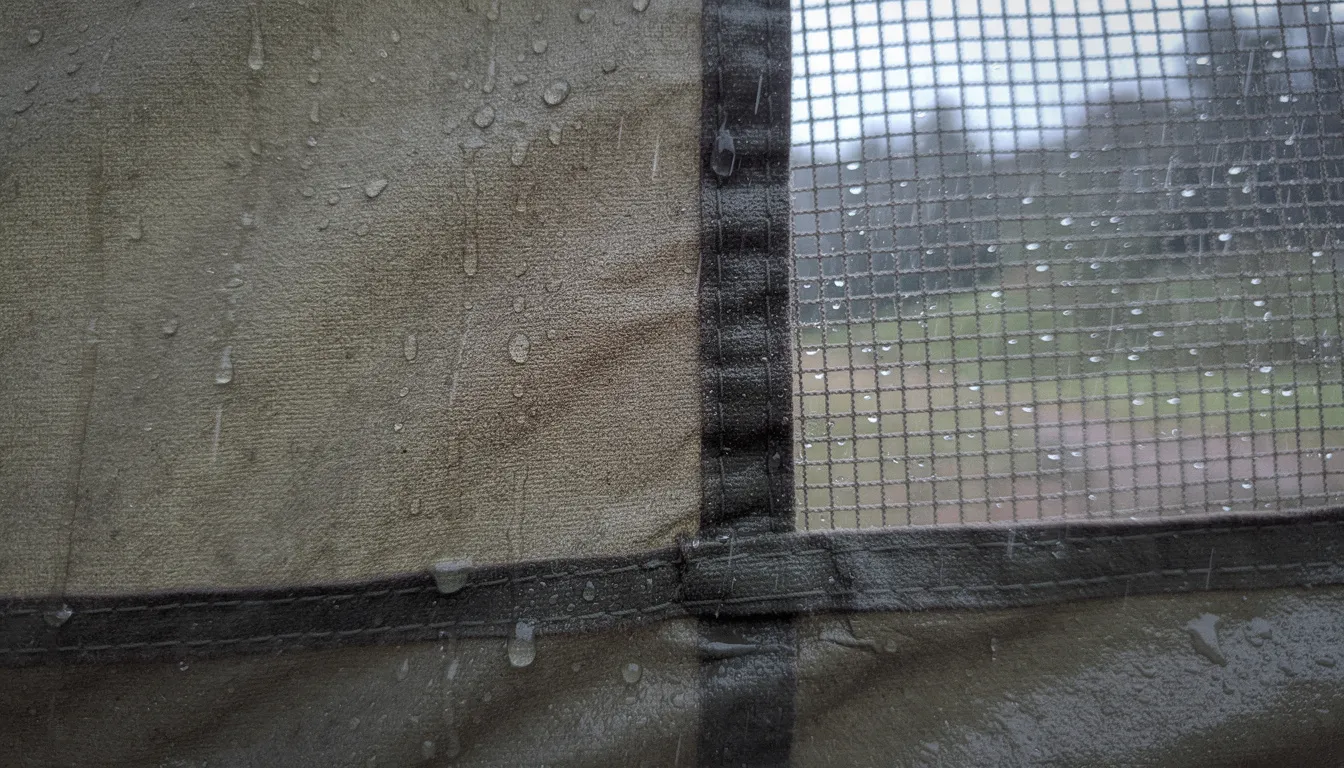
23 Zero tents handle wind, heavy rain, and cold nights with confidence. The LST coating adds a UV-protective layer that extends fabric life while the polyurethane treatment sheds water effectively. In conditions typical of Utah deserts (hot days, cold nights, occasional sudden storms) or coastal Australia (humidity, salt air, unpredictable weather), these tents stand up without issue. Yep, they work in the real world.
Off-Road Travel
On rough tracks, the tent remains stable when properly mounted. Highway speeds produce some wind noise with soft shell designs—normal for this category—but nothing excessive. Experienced overlanders recommend checking mounting hardware after long expeditions, especially following washboard roads or rocky terrain that can gradually loosen bolts.
Field Maintenance
Managing condensation during shoulder seasons requires attention to ventilation. Keep windows cracked when temperatures drop to prevent moisture buildup inside. Brushing dust off canvas and allowing the tent to dry before packing extends fabric life considerably. A quick wipe-down of zippers with silicone lubricant keeps them operating smoothly trip after trip.
Fitment, Installation, and Vehicle Compatibility
Correct mounting is critical for safety and comfort. 23 Zero tents are designed to fit a wide range of trucks, Jeeps, and SUVs, but you need to ensure your setup can handle the load.
Rack Requirements
Your roof rack or bed rack must have a minimum dynamic load rating that exceeds the tent weight (typically 45-80 kg depending on model). Crossbar spacing should align with the tent’s mounting points—check specifications before purchasing. Most quality aftermarket rack brands work well, but verify compatibility with your fitting kit requirements. Some installations require specific hardware or adapter plates.
Installation Overview
Installing a rooftop tent is a two-person job at minimum:
-
Lift the packed tent onto your rack (heavier models may need three people)
-
Position the tent centered on your crossbars
-
Attach mounting plates and bolts according to instructions
-
Torque all hardware to specifications
-
Double-check alignment and stability before driving
Vehicle Types
Common setups include mid-size pickups (Tacoma, Colorado), full-size trucks (F-150, Tundra), SUVs (4Runner, Land Cruiser, Wrangler), and capable wagons or crossovers (Subaru Outback, Forester). Always check your vehicle owner’s manual for roof load limits—these vary significantly between models and can be lower than you expect on some crossovers.
Weight and Center of Gravity
Adding 100+ pounds to your roof affects fuel consumption, handling, and clearance. Lifted rigs handle the weight better but watch for height restrictions in parking garages and at gas stations. Your vehicle’s center of gravity shifts noticeably with a rooftop tent, so take corners cautiously until you’ve adjusted to the new handling dynamics.
Professional Installation
If you’re not confident in DIY mounting, dealers in locations like West Valley City, Utah, and other regional overland shops offer professional installation and inspection services. Having an expert ensure proper fitment gives peace of mind, especially for first-time RTT owners.
Pricing, Availability, and Where to Buy
23 Zero tents occupy the mid-to-upper price range, positioned between budget imports and ultra-premium hardshells.
Typical Price Bands
|
Model Category |
Approximate Price (USD) |
|---|---|
|
Smaller soft shells (Walkabout 56) |
$1,049 – $1,449 |
|
Mid-size soft shells (Walkabout 62) |
$1,449 – $1,899 |
|
Premium/LST models (Dakota 1400) |
$1,899 – $2,599 |
|
Larger touring setups |
$2,599 – $3,300+ |
New vs Used Considerations
Used 23 Zero tents can offer significant savings, but inspect carefully before purchasing. Check for fabric wear, mold or mildew, zipper functionality, and frame condition. Warranty transfer policies vary, so verify coverage with 23 Zero directly. A tent that’s been properly maintained holds value well, while one that’s been stored wet or neglected may have hidden issues.
Where to Buy
-
Overland specialty retailers throughout the USA
-
Rooftop tent dealers in states like Utah, Colorado, and California
-
Online retailers with shipping to your location
-
Authorized 23 Zero distributors in Australia (Sydney, Brisbane, Adelaide)
- Or even right here at OffRoadTents.com
Stock and Availability
Seasonal demand affects availability—spring and early summer see higher demand. Some models go out of stock periodically or require pre-ordering. Warehouse pickup options exist in certain locations, which can save on freight shipping costs.
Additional Costs to Budget
Beyond the tent itself, factor in:
-
Roof rack or bed rack system (if not already installed)
-
Annex room or awning accessories
-
Freight shipping (especially for oversized items)
-
Professional installation if desired
Warranty, Support, and Long-Term Ownership
Investing in a rooftop tent means thinking beyond the purchase date. Long-term support, parts availability, and warranty coverage matter for gear you’ll use for years.
Warranty Coverage
23 Zero typically offers 2-3 year warranties on their rooftop tents. Coverage generally includes manufacturing defects in materials and workmanship. Exclusions usually apply to damage from misuse, neglect, improper mounting, or normal wear items like zippers and elastic. Register your tent after purchase and keep your receipt for any future claims.
Fabric and Zipper Care
Canvas benefits from periodic cleaning with appropriate cleaners—avoid harsh detergents that strip water-resistant coating. Lubricate zippers with silicone spray before they start sticking. Store the tent dry whenever possible; packing it wet leads to mold and mildew that can permanently damage fabric.
Spare Parts and Accessories
Replacement parts including ladders, covers, mounting hardware, and window components are available through dealers. Annex rooms and awnings can be added over time to expand your setup. Parts availability is generally good through the authorized dealer network, though some items may require ordering.
Community Knowledge
Active communities on Facebook groups, Instagram, and overland forums provide valuable owner-to-owner support. You’ll find setup tips, modification ideas, and troubleshooting advice from people who’ve put thousands of miles on their 23 Zero tents. Photos and trip reports from experienced users help new owners get the most from their investment.
Ongoing Maintenance
Periodically check bolts, hinges, and seams—especially after long trips or exposure to heavy weather. Keep a basic tool kit in your vehicle for trailside adjustments. Inspect the cover for UV degradation and replace it before it fails completely. With proper care, a 23 Zero tent should deliver many years of reliable service.
How 23 Zero Compares to Other Roof Top Tent Options
Rather than promoting specific competing brands, it’s more useful to understand the objective factors that differentiate rooftop tent options.
What to Compare
When evaluating any rooftop tent, focus on:
-
Fabric technology and weatherproofing
-
Mattress comfort and thickness
-
Price-to-feature ratio
-
Available accessories and expandability
-
Weight and aerodynamic profile
Soft Shell vs Hardshell
23 Zero focuses primarily on soft shell designs. Hardshells offer faster setup (often under 60 seconds) and better aerodynamics, potentially reducing fuel consumption by 10-20% at highway speeds. However, soft shells typically provide larger sleeping areas, better ventilation options, and lower purchase prices. Hardshells also keep bedding packed inside without compression, which some users prefer.
LST Differentiation
The light suppression technology lst fabric is genuinely unique in the market. While some competitors offer blackout panels or dark interiors, 23 Zero’s multi-layered approach addresses both light blocking and thermal management simultaneously. For anyone who’s noticed how hot a standard tent gets when the sun hits it, or struggled with early morning sunlight disrupting sleep, this coating makes a real difference.
Build Philosophy
Some brands emphasize ultralight designs or integrated crossbar systems. 23 Zero leans into robust canvas quality and sleep environment over minimal weight. This combination suits overlanders who camp frequently and value durability over shaving a few pounds.
Match Your Use Case
The right tent depends entirely on how you’ll use it:
-
Weekend getaways favor quick setup
-
Long overland crossings need durability and comfort
-
Daily-driver vehicles benefit from low-profile options
-
Hot climates demand excellent ventilation and heat management
Prioritize features that match your specific adventure style rather than chasing specs that don’t apply to your situation.
Who a 23 Zero Roof Top Tent Is (and Isn’t) For
Not everyone needs a rooftop tent, and not every 23 Zero model fits every situation. Here’s how to figure out if this is the right move for you.
Ideal Users
-
Frequent overlanders who camp in remote areas without flat or dry ground
-
Long-trip tourers who value consistent sleep quality night after night
-
Hot-climate campers who need the heat and light management LST provides
-
People who want fast, repeatable setup without searching for tent sites
Family Scenarios
Larger models like the Walkabout 72 offer California king dimensions suitable for parents with one or two children. Pairing a rooftop tent with a ground-level annex room creates additional sleeping area for growing families or friends joining the trip.
Who Might Look Elsewhere
-
Occasional campers who stick to serviced campgrounds with established tent pads
-
Ultralight backpackers for whom any vehicle-based system is overkill
-
Vehicles with low roof load limits that can’t safely support 100+ pounds
-
Urban dwellers who regularly navigate parking garages, low carports, or tight drive-throughs
Practical Constraints to Consider
Think about where you park at home and whether the added height causes issues. Consider the effort involved in lifting a heavy tent onto your roof during installation. Watch for fuel economy changes, especially on long highway drives. Test drive your vehicle with a roof tent before committing if possible.
Alternatives
For those who don’t fit the RTT profile, quality ground tents have improved significantly. Smaller vehicle-mounted shelters, slide-out bed systems, and traditional camping setups all remain viable options depending on your situation.
Conclusion: Is a 23 Zero Roof Top Tent Right for Your Next Adventure?
A 23 Zero roof top tent delivers where it matters most for serious campers: sleep quality, weather protection, and long-term durability. The LST fabric genuinely outperforms standard materials in blocking light and managing heat. The Rebound Foam mattresses provide comfort that holds up over years of use. And the construction quality reflects lessons learned from real-world testing in demanding conditions across Australia and beyond.
Making Your Decision
-
Best value for: Weekend overlanders, extended tour campers, and families who camp frequently in variable conditions
-
Price expectation: $1,049–$3,300 depending on size and features
-
Match your model: Walkabout 56 for smaller vehicles, 62 for standard SUVs, Dakota 1400 for dedicated touring setups
Pre-Purchase Checklist
Before you buy, confirm:
-
[ ] Your vehicle’s roof load rating (check owner’s manual)
-
[ ] Total budget including rack, tent, and accessories
-
[ ] Storage space at home when tent is removed
-
[ ] Realistic frequency of camping trips per year
Next Steps
Visit a local overland retailer for a hands-on look at 23 Zero tents. Connect with the staff to test ladder height on your specific vehicle. Sit inside the tent to check headroom and sleeping area dimensions. Compare models in person rather than relying solely on online photos and specifications.
For campers who prioritize waking rested and ready to explore the world outside their tent—whether in the high desert, coastal forests, or anywhere the road takes them—a 23 Zero rooftop tent represents a long-term investment in better adventures.