
The Ultimate Guide to Offroading Trails: Finding Your Next Adventure
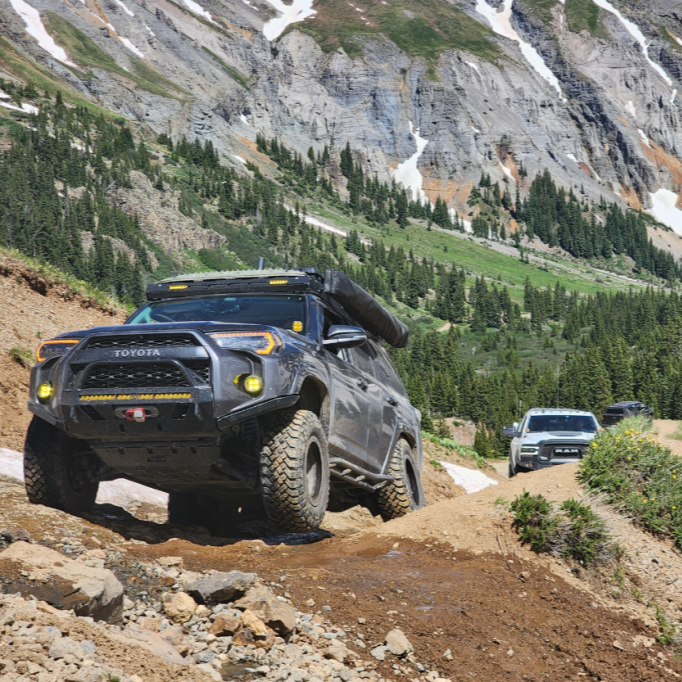
The call of adventure beckons from mountain passes, desert washes, and forest roads across America. With over 370,000 miles of designated off road trails spanning federal and state lands, there’s never been a better time to explore the backcountry. Several excellent off-roading trails are available across the US for both beginners and experienced riders. Whether you’re driving a stock pickup truck or a heavily modified rig, finding the right offroading trails for your skill level and vehicle opens up a world of stunning scenery and unforgettable experiences. The San Juan Mountains in Colorado offer a vast array of trails for all skill levels, making it a prime destination for off-road enthusiasts.
Modern technology has revolutionized how we discover and navigate these remote routes. GPS mapping apps now provide detailed trail information, difficulty ratings, and real-time conditions that were once only available through local knowledge or expensive guidebooks. From the San Juan Mountains of Colorado to the pine forests of Texas, this comprehensive guide will help you plan your next off roading adventure safely and responsibly.

How to Find the Best Offroading Trails
The days of relying solely on word-of-mouth or printed maps are over. Today’s trail discovery tools put thousands of routes at your fingertips, complete with photos, waypoints, and community reviews. Starting your search with the right resources ensures you’ll find trails that match your vehicle’s capabilities and your adventure goals.
Use AllTrails app to search OHV (Off-Highway Vehicle) trails by entering your current location. This popular platform excels at filtering results based on difficulty, distance, and user reviews. The app’s strength lies in its comprehensive database and active community that keeps trail information current. You can download offline maps for areas without cell coverage and mark your favorite trails for future reference. AllTrails is also widely used for hiking, making it a versatile tool for both offroading and hiking enthusiasts. You have the option to sign up for a free or premium account to access additional features.
Download Gaia GPS for detailed topographic maps and offline trail navigation capabilities. Professional guides and serious enthusiasts prefer this app for its superior mapping detail and reliability in remote areas. Gaia’s topographic data helps you understand elevation changes, water crossings, and terrain features before you arrive at the trailhead. The offline functionality proves invaluable when exploring areas beyond cell tower reach.
Access TrailsOffroad.com for comprehensive trail guides with photos, waypoints, and user reviews. This specialized platform focuses exclusively on motorized recreation, providing detailed trail descriptions that include specific obstacles, camping opportunities, and seasonal considerations. Community trail reviews on Trails Offroad include photos, comments, and condition updates. The site’s community-driven content offers real-world insights from experienced drivers who’ve tackled these routes. Trails Offroad has been building off-road trail information for over a decade, ensuring a reliable and extensive database for users. The site is also a valuable resource for both offroading and hiking enthusiasts looking for detailed trail information.
Check OnX Off-road for real-time trail conditions and vehicle access information. This app shines when it comes to understanding land ownership and legal access points. Many trails cross multiple jurisdictions, and OnX helps you navigate these complexities while avoiding trespassing on private property. The platform also provides current closure information and permit requirements. These apps have received positive press for their usefulness and reliability in the off-road community.
Visit USFS (United States Forest Service) websites for official trail maps and closure updates. Federal agencies maintain the most authoritative information about trail conditions, seasonal closures, and permit requirements. These official sources help you plan around maintenance activities, wildlife protection measures, and weather-related restrictions that might affect your adventure.
Explore Backroad Maps and where2wheel.com for marked trails and legal driving areas. These resources excel at showing the big picture of trail systems and connecting routes. They’re particularly valuable when planning multi-day expeditions that cover large areas or when you want to explore interconnected trail networks in places like the national forests of Colorado.
Trail Guides and Maps
Navigating off road trails is an adventure in itself, and having the right trail guides and maps can make all the difference between a smooth ride and an unexpected detour. Whether you’re tackling a beginner trail with your family or seeking out the best off road trails in the San Juan Mountains, detailed guides help you plan your route, understand the terrain, and anticipate obstacles along the way. Many national forests and parks in Colorado and beyond offer marked trails, with maps highlighting everything from elevation changes to scenic overlooks and camping spots.
For those exploring trails near Idaho Springs or venturing deeper into the mountains, trail guides provide essential information on skill level requirements, vehicle recommendations, and even the location of RV hookups for longer stays. These resources are especially valuable for drivers looking to avoid errors and ensure a fun, safe adventure—whether you’re climbing rocky passes or winding through forested roads. With accurate maps in hand, you can confidently navigate new routes, discover amazing views, and make the most of your off roading experience. Don’t forget to check for updated maps and guides before each trip, as trail conditions and access points can change with the seasons.
Top Offroading Destinations in the United States
America’s diverse geography creates incredible opportunities for off road enthusiasts. From alpine passes that challenge even the most capable rigs to gentle forest roads perfect for family camping trips, these destinations offer something for every skill level and interest.
Red Cone Pass, for example, is a popular trail that attracts many visitors and is often busy, especially during peak season, due to its proximity to major cities.
Colorado Rocky Mountains
Colorado stands as the crown jewel of American offroading, with high-altitude trails that provide access to some of the most breathtaking mountain scenery in the country. The combination of mining history, diverse terrain, and stunning alpine environments makes this region a bucket-list destination for serious enthusiasts.
Imogene Pass: 13,114-foot summit between Ouray and Telluride with 360-degree mountain views. This iconic route crosses one of Colorado’s highest vehicle-accessible passes, offering incredible vistas of the San Juan Mountains. The trail features challenging rock gardens and steep switchbacks that require careful navigation and proper vehicle preparation. Summer weather windows are short, typically running from mid-July through September.
Black Bear Pass: Iconic trail featuring challenging switchbacks and breathtaking Telluride overlooks. Perhaps the most famous offroad route in America, Black Bear Pass demands respect and experience. The narrow shelf road and technical obstacles make this an advanced-level adventure that rewards brave drivers with unforgettable views. Many consider the descent into Telluride one of the most scenic drives in the world.
Red Cone Pass: Steep, rocky terrain near Denver with multiple camping options and scenic vistas. Located within driving distance of Colorado’s Front Range cities, Red Cone offers convenient access to alpine adventure. The trail features significant elevation gain and technical challenges that test vehicle capabilities while providing excellent training for more remote expeditions. Red Cone Pass is known for its steep descent on loose rock, providing a challenging experience.
Holy Cross City Trail: Historic mining town exploration with river and creek crossings, abandoned settlements, and neat old mining equipment. This route combines offroad challenge with historical exploration, leading to well-preserved mining ruins in a spectacular mountain setting. Multiple creek crossings and moderate technical sections make this trail accessible to intermediate drivers with properly equipped vehicles.
Chinaman Gulch: Buena Vista area trail with Sawatch Mountain views and optional technical obstacles. The trail offers flexibility for different skill levels, with bypass routes around the most challenging sections. Some sections are pretty easy, making it accessible for less experienced drivers. Drivers can choose their own adventure while enjoying incredible views of Colorado’s highest peaks and exploring remnants of the state’s mining heritage.
Texas Gulf Coast Region
Texas might surprise many with its diverse offroading opportunities, especially in the south near South Houston. The state’s varied landscape supports everything from mudding and water crossings to technical rock crawling and sand dune exploration. Private parks dominate the scene, offering maintained facilities and diverse terrain types.
Xtreme Off-Road Park and Beach (Crosby): 200+ acres with mudding, swimming, and camping facilities. This destination proves that offroading isn’t just about mountains and deserts. The park’s combination of challenging mud holes, water features, and recreational amenities creates a complete outdoor experience. RV hookups and modern facilities make this location family-friendly while still providing serious challenges for experienced drivers. Located in Crosby, Texas, the park also offers fishing activities, adding to its appeal for outdoor enthusiasts.
General Sam’s Off Road Park: 705 acres featuring 60+ miles of trails through pine forests and creek crossings. The extensive trail system accommodates everything from beginner-friendly forest roads to technical rock sections. The park’s commitment to maintaining diverse terrain types ensures that visitors can find appropriate challenges regardless of their vehicle setup or experience level.
Creek Side Off Road Ranch: Diverse terrain including mud, water, sand, and steep hill climbing challenges. This location showcases the variety possible within a single park. Drivers can test different aspects of their vehicle’s capabilities and their own skills without traveling to multiple locations. The ranch’s varied terrain makes it an excellent place for skill development and vehicle testing. It features a labyrinth of trails that cater to different off-roading preferences, ensuring a unique experience for every visitor.
Mudbuddies Park: Lavaca River location with maintained trails, mud pits, and seasonal events like Muddy Gras. Community events and organized activities set this park apart from simple trail riding. The social aspect of offroading comes alive during special events, where enthusiasts share knowledge, compare vehicles, and enjoy the camaraderie that makes this hobby special. For those looking to extend their adventure, Mudbuddies Park also offers cabins for convenient overnight stays.
Road Trails and Scenic Routes
For those who love to combine adventure with breathtaking scenery, road trails and scenic routes offer an unforgettable way to explore the great outdoors. Colorado’s San Juan Mountains are home to some of the most stunning road trails in the country, winding through national forests, charming mountain towns, and dramatic landscapes. These routes are perfect for drivers seeking amazing views, whether you’re behind the wheel of a 4x4 vehicle or riding an ATV.
Road trails often present a mix of terrain, from smooth dirt roads to steep, narrow climbs with challenging ruts and the occasional patch of ice. Navigating these obstacles requires careful driving and a keen eye for changing conditions, but the reward is access to some of the most beautiful scenery in the region. Each turn offers a new perspective—towering peaks, lush forests, and sweeping valleys that make every mile an adventure. With proper planning and attention to your vehicle’s capabilities, you can safely explore these routes, enjoy the fun and challenge of the terrain, and create lasting memories with friends and family. Remember to check weather and trail reports before heading out, and always drive with caution on steep or narrow sections.
Understanding Trail Difficulty Ratings
Trail difficulty ratings provide crucial information for selecting appropriate routes and preparing adequately. Understanding these systems helps prevent dangerous situations and ensures enjoyable experiences that match your capabilities and equipment.
Beginner Level (1-3/10): Stock 4WD vehicles can navigate these well-maintained dirt roads and gentle slopes. These trails typically feature stable surfaces, minimal obstacles, and gentle grades that don’t stress vehicle components or driver skills. Most factory 4WD systems handle these conditions easily, making them perfect for families or drivers new to off roading. Examples include many national forest roads and basic camping access routes.
Intermediate Level (4-6/10): Requires higher ground clearance, larger tires (31-33”), and basic recovery gear. Trails at this level introduce moderate obstacles like rocks, ruts, and steeper grades that challenge stock vehicles. Drivers need basic recovery equipment and should understand fundamental techniques like tire pressure adjustment and spotting. These routes often provide great training opportunities for advancing skills.
Advanced Level (7-8/10): Demands specialized equipment including winches, skid plates, and experienced spotters. Serious modifications become necessary at this level, along with comprehensive recovery gear and safety equipment. Trails feature significant obstacles, extreme angles, and potential for vehicle damage. Experienced driving and spotting skills are essential, and traveling alone is not recommended.
Expert Level (9-10/10): Extreme terrain requiring custom builds, professional-grade equipment, and extensive experience. These trails push both vehicles and drivers to their limits. Custom fabrication, competition-level equipment, and years of experience are typically necessary. Many routes at this level require multiple attempts and extensive preparation to complete successfully.
Weather conditions can increase difficulty ratings by 1-2 points, especially during winter months in high-altitude areas. Rain, snow, ice, and mud transform even moderate trails into serious challenges. Colorado’s high-elevation passes can shift from manageable to impassable within hours due to weather changes. Always check current conditions and plan conservatively when weather threatens.
Essential Vehicle Preparation and Gear
Proper preparation makes the difference between an enjoyable adventure and a dangerous situation. Understanding what your vehicle needs for different trail types helps ensure safety while protecting your investment from unnecessary damage.
Vehicle Requirements by Trail Difficulty
Stock vehicles: Suitable for easy trails with good ground clearance and 4WD capability. Modern pickup trucks and SUVs with factory 4WD systems handle many maintained forest roads and basic trails without modification. Focus on understanding your vehicle’s capabilities and limitations rather than rushing into modifications. Good all-terrain tires often provide the biggest improvement for stock vehicles on moderate terrain.
33” tires minimum: Required for most intermediate and advanced Colorado trails. Larger tires improve ground clearance, traction, and obstacle navigation capability. However, they also require supporting modifications like gear ratio changes, brake upgrades, and suspension adjustments. Research tire size compatibility with your specific vehicle before making changes. A full inspection of the vehicle before off-roading includes checking tires, brakes, fluid levels, and suspension components.
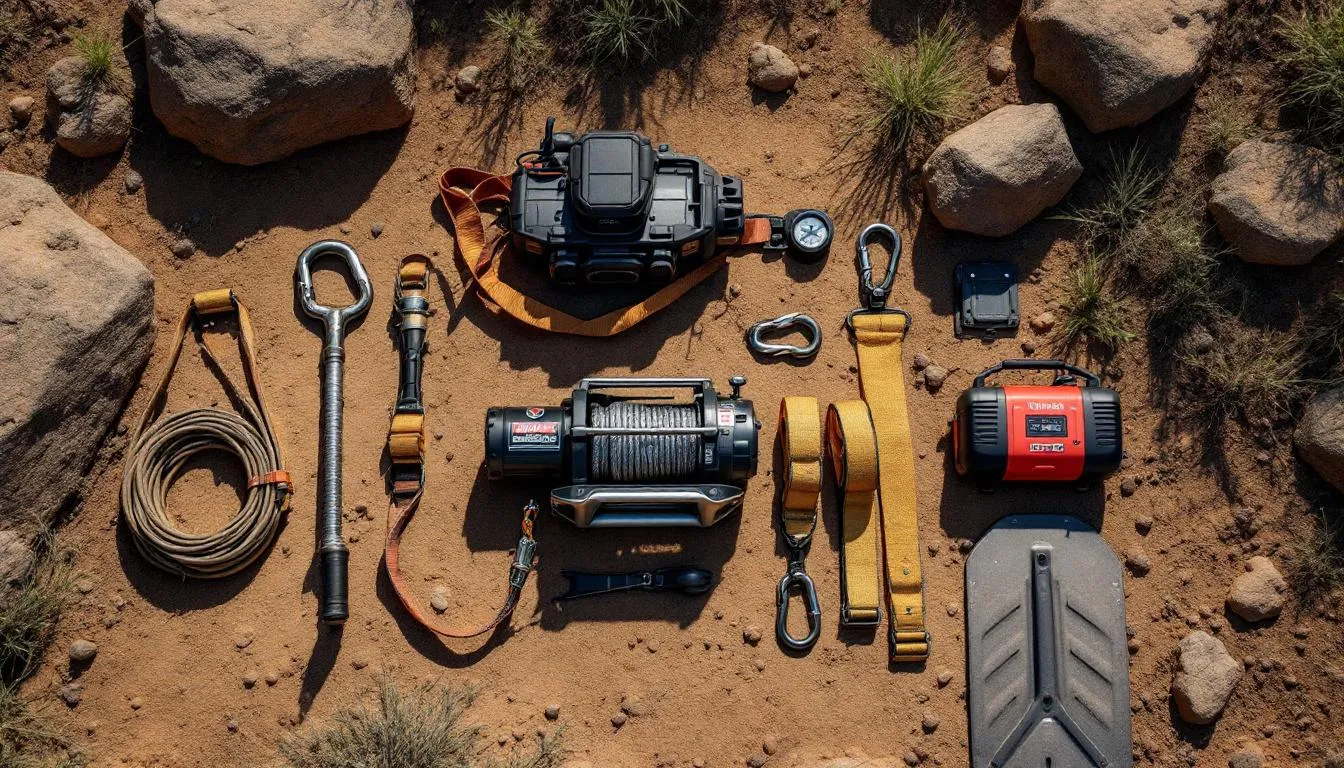
Winch systems: Essential for trails rated 7/10 and above, especially solo adventures. A quality winch provides self-recovery capability when other techniques fail. Mount winches securely and learn proper rigging techniques before venturing into challenging terrain. Practice winch operation in safe environments to build confidence and skill.
Full-body skid plates: Protect critical components on rocky terrain like Poughkeepsie Gulch. Engine oil pans, transmissions, transfer cases, and fuel tanks all face damage risks on technical trails. Quality skid plate protection prevents costly repairs and allows more confident driving over obstacles. Choose heavy-duty options that fit your specific vehicle and intended use.
Lockers: Helpful for rutted sections and steep ascents on popular trails like Red Cone. Differential locks maximize traction by preventing wheels from spinning freely. Electronic lockers offer convenience and precision control, while mechanical versions provide reliability in extreme conditions. Understand when to engage and disengage lockers for maximum effectiveness and component protection.
Recovery and Safety Equipment
Recovery straps and shackles rated for your vehicle’s weight plus 50% safety margin. Quality recovery gear prevents injuries and equipment damage during stuck situations. Kinetic energy recovery ropes work better than static straps for many situations, while proper shackles ensure secure connections. Never use tow straps or cheap hardware for recovery operations.
Portable air compressor for adjusting tire pressure on different terrain types. Lowering tire pressure improves traction on sand, rocks, and mud while increasing comfort over rough surfaces. A reliable compressor allows you to adjust pressure for optimal performance and safety, then restore highway pressure for the drive home. Choose models that can handle your tire size and intended use frequency.
Communication devices including satellite communicators for remote areas without cell coverage. Emergency communication capability becomes critical when exploring remote trails where help might be hours or days away. Satellite communicators work anywhere with clear sky view and can summon emergency services when needed. Two-way radios help coordinate with other vehicles and improve safety during technical maneuvers.
First aid kit, extra food, water, and emergency shelter for extended backcountry expeditions. Self-sufficiency becomes essential when traveling far from civilization. Pack supplies for longer than your planned trip duration and ensure everyone in your group knows how to use emergency equipment. Packing essential safety gear includes a first-aid kit, water, and navigation devices. Consider the specific hazards of your destination when selecting safety gear.
Trail maps, GPS devices, and backup navigation tools in case of electronic failures. Technology fails when you need it most, making backup navigation essential for remote travel. Paper maps and compasses provide reliable alternatives when batteries die or devices break. Download offline maps and waypoints before departing, and share your route with others who aren’t traveling with you.
Planning Your Offroading Adventure
Successful adventures start with thorough planning that considers everything from weather to permits. Taking time to research and prepare prevents problems and enhances enjoyment of your time outdoors.
Check current weather forecasts and seasonal trail closures before departing. Mountain weather changes quickly and dramatically, turning pleasant adventures into dangerous situations. Many high-altitude trails close for months due to snow, while others restrict access during wildlife migration periods. Current information helps you avoid wasted trips and dangerous conditions.
Inform others of your planned route and expected return time for safety. Leave detailed plans with reliable contacts who will take action if you don’t return as scheduled. Include specific trail names, planned camping locations, and emergency contact information. Consider using tracking apps that share your location with family members during the trip.
Research camping options and permits required for overnight stays in national forests. Many trails offer dispersed camping opportunities that enhance the adventure experience. However, regulations vary widely between locations and may require advance permits or limit group sizes. Understanding camping rules prevents citations and helps protect sensitive areas. Careful planning also helps you decide which trails and activities best fit your interests and schedule.
Download offline maps to your devices in case you lose cell phone signal. Remote trails rarely have reliable cell coverage, making offline navigation essential. Download detailed maps for your entire route plus surrounding areas in case detours become necessary. Test offline functionality before depending on it in remote areas.
Plan fuel stops and ensure your vehicle has adequate range for remote trail access. Offroad driving consumes more fuel than highway travel, and remote areas may not offer services. Calculate fuel consumption carefully and identify fuel availability along your route. Carry extra fuel for long expeditions or when exploring areas without services.
Consider joining local offroading groups or forums for current trail conditions and recommendations. Local knowledge provides insights that apps and websites can’t match. Experienced locals share current conditions, hidden obstacles, and alternative routes that make adventures safer and more enjoyable. Online communities often organize group trips that benefit newcomers to the area.
Offroad Communities and Events
One of the most rewarding aspects of off roading is becoming part of a passionate and welcoming community. Across Colorado and the country, offroad enthusiasts gather to share their love of adventure, stunning scenery, and amazing views. Whether you’re interested in group trail rides, camping weekends, or large-scale festivals, there’s always an event or gathering where you can connect with like-minded drivers.
Joining an offroad community is a fantastic way to discover new trails, learn from experienced drivers, and plan your next big adventure. Many groups organize regular outings, offer tips on navigating challenging terrain, and provide support for both beginners and seasoned pros. Online forums and social media groups make it easy to stay informed about upcoming events, trail conditions, and the latest gear.
Annual festivals, like those held in Colorado, bring together off roading fans for a celebration of the sport—complete with live music, food, and plenty of opportunities to hit the trails. These events foster a sense of camaraderie and shared excitement, making every trip more memorable. Whether you’re camping under the stars or tackling a new route, the offroad community is always ready to welcome new members and help you make the most of every adventure. So get involved, connect with fellow enthusiasts, and experience the best that off roading has to offer!
Safety Considerations and Trail Etiquette
Responsible recreation ensures trail access continues for future generations while protecting both people and environments. Following established safety practices and etiquette guidelines demonstrates respect for the privilege of exploring these special places.
Travel with at least one other vehicle when tackling difficult or remote trails. The buddy system provides essential safety backup when things go wrong. Extra vehicles offer recovery assistance, emergency supplies, and communication redundancy that can prove lifesaving in remote areas. Group travel also enhances enjoyment through shared experiences and problem-solving.
Practice Leave No Trace principles to preserve trail access for future generations. Environmental stewardship protects the landscapes we love to explore. Pack out all trash, avoid damaging vegetation, and camp only in designated areas. Minimize fire impacts and respect wildlife by maintaining appropriate distances and avoiding sensitive areas during breeding seasons.
Respect private property boundaries and follow all posted signs and regulations. Trail access depends on cooperation between land managers, private landowners, and recreationists. Trespassing and regulation violations threaten access for everyone. Research property boundaries and respect all closures, even when they seem unnecessary or inconvenient.
Yield right-of-way to uphill traffic on narrow mountain trails and switchbacks. Mountain etiquette prioritizes safety and courtesy on narrow trails. Uphill vehicles have difficulty stopping and restarting on steep grades, making it safer for downhill traffic to yield. Use pullouts and wide spots to allow others to pass safely.
Avoid trail damage by staying on designated routes and not creating new paths. Trail proliferation damages ecosystems and often leads to area closures. Resist the temptation to create shortcuts or explore off-route, especially in sensitive environments. Existing trails concentrate impact and protect surrounding areas from disturbance.
Be patient with other trail users and offer assistance when safe to do so. The offroading community thrives on mutual support and shared knowledge. Help others with recovery situations, share information about trail conditions, and mentor newcomers to build positive relationships. Patient behavior sets good examples and promotes responsible recreation.
Frequently Asked Questions
What’s the best time of year to go offroading in Colorado?
Late June through September offers the best conditions, as high-altitude passes like Imogene (13,114 feet) may have snow until mid-June and can close again by October due to weather.
Do I need special permits for offroading trails?
Most trails on public lands are free to access, but some areas like Moab require permits for certain routes. Always check with local land management agencies and some private parks may charge admission fees.
How do I know if my stock vehicle can handle a specific trail?
Start with trails rated 1-3/10 difficulty and gradually progress. Most stock 4WD trucks can handle beginner trails, but anything rated 5/10 or higher typically requires modifications like larger tires and increased ground clearance.
What should I do if I get stuck on a remote trail?
First, assess the situation safely and try simple solutions like tire pressure adjustment or using traction aids. If stuck seriously, use your recovery gear or call for help via satellite communicator. Never attempt dangerous recovery techniques without proper knowledge.
Are there age restrictions for offroading passengers?
While there are no federal age restrictions for passengers on most trails, use common sense based on trail difficulty and safety. Some private parks may have age restrictions, and always ensure all passengers wear proper safety equipment including helmets where required.