
The Ultimate Winter Camping & Overlanding Guide 2026: Mastering Cold Weather Adventures
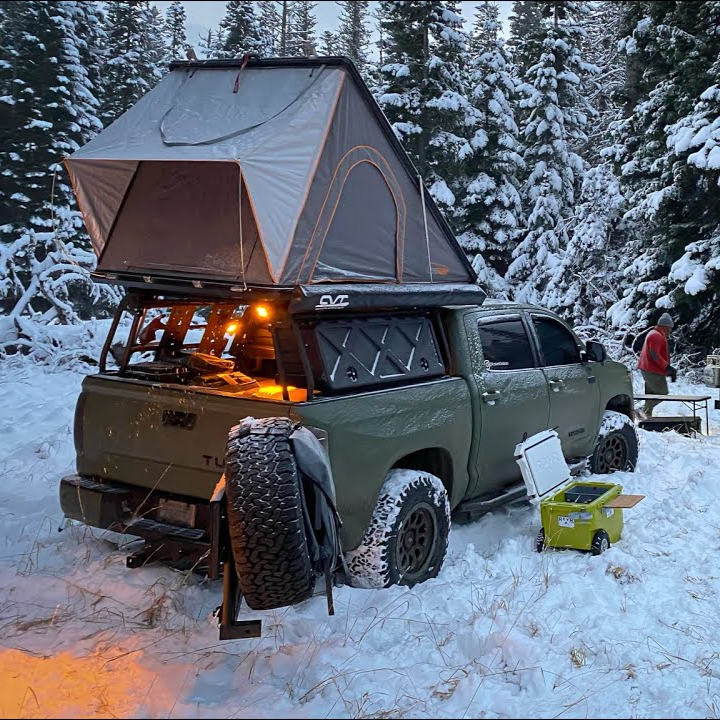
There’s something magical about winter camping that summer adventurers will never understand. The crisp air, the silence of snow-blanketed landscapes, and that deep satisfaction when you wake up warm in your sleeping bag while frost crystals decorate your tent’s interior. Winter camping isn’t just possible—it’s incredible.
But let’s be honest. The thought of sleeping outdoors when temperatures drop below freezing intimidates even experienced campers. I get it. The stakes are higher in winter. Your gear needs to work harder. Your preparation has to be more thorough. One mistake can turn an adventure into a survival situation. Without proper planning, winter camping can be extremely dangerous due to risks like hypothermia and frostbite.
Here’s the good news: with the right knowledge and equipment, winter camping becomes not just manageable but genuinely enjoyable. Whether you’re planning your first snow camping trip or looking to upgrade your cold weather game, this guide will walk you through everything you need to know about camping in winter.
We’ll cover the shelter systems that actually keep you warm, the gear that won’t fail when temperatures plummet, and the techniques that separate comfortable winter campers from freezing ones. From roof top tents to ground tents, RV camping to truck camping, we’re diving deep into what works and what doesn’t when the mercury drops.
Let’s get you ready to embrace winter camping with confidence.
Understanding Winter Camping: What Makes It Different
Winter camping means something different depending on where you live. In Arizona, it might mean overnight lows in the 30s. In Montana, you could be dealing with sub-zero temperatures. For our purposes, winter camping refers to any camping when temperatures drop below freezing, snow covers the ground, or conditions require specialized cold weather gear.
The fundamental difference between winter camping and three-season camping comes down to one word: insulation. Everything about winter camping revolves around managing heat—retaining your body heat, protecting against heat loss, and staying dry to maintain that warmth. Monitoring and adjusting for air temp is crucial for choosing the right clothing and insulation strategies, as air temperature directly affects how you layer and manage your gear to stay safe and comfortable.
The body loses heat through conduction, convection, evaporation, radiation, and respiration, making insulation especially important in winter camping to prevent rapid heat loss and maintain core warmth.
Types of Winter Camping
Roof Top Tent Winter Camping has exploded in popularity among overlanders. Modern roof top tents offer significant advantages in winter conditions. You’re elevated off the cold ground, setup takes just minutes even in snow, and many RTTs now feature insulation designed specifically for cold weather camping.

Winter Car Camping and truck camping winter setups provide the ultimate convenience. You’ve got your vehicle’s heater nearby, dry storage for gear, and the option to sleep in your vehicle if conditions deteriorate. Many overlanders combine truck bed tents or canopy campers with heated sleeping systems for comfortable winter nights.

Traditional Tent Camping in Winter using ground tents remains popular with backpackers and those seeking the lightest possible setup. Winter camping tents—specifically 4 season camping tents—are built to handle snow loads and extreme cold. For safety and better shelter, it’s important to camp below the tree line in winter, as trees provide natural windbreaks and more options for protection from the elements.

Winter RV Camping offers the most creature comforts but requires proper winterization. The best RV for winter camping will have upgraded insulation, heated tanks, and a robust heating system.

Do You Need a 4 Season Tent for Winter Camping?
This is one of the most common questions we hear. The answer: it depends.
A 4 season camping tent is specifically designed for winter conditions. These tents feature stronger poles to support snow loads, less mesh for better heat retention, and more robust fabrics to withstand wind and abrasion from ice crystals. The design minimizes ventilation openings compared to 3-season tents, focusing instead on warmth retention.
Here’s when you absolutely need a 4-season tent: high-altitude mountaineering, camping in areas with heavy snowfall, or extended trips in extreme cold. High winds are also a key reason to choose a 4-season tent over a 3-season tent, as they provide better stability and protection in harsh weather. For most winter camping in established areas with moderate conditions, a quality three season tent can be sufficient, especially if you’re camping below the tree line with minimal precipitation and milder weather, as long as you take proper precautions.
That said, many modern roof top tents blur this line. Quality hardshell RTTs like the iKamper Skycamp series feature built-in insulation and weatherproofing that performs well in winter without technically being classified as 4-season tents.
Essential Winter Camping Gear: Your Complete Setup
Getting your gear dialed for winter camping takes thought. You can't just grab your summer setup and hope for the best. Let's break down what actually works when camping in winter conditions.
Roof Top Tents for Winter Camping: Your Elevated Advantage
Roof top tents have become the go-to shelter for serious winter overlanders, and for good reason. You're sleeping off the frozen ground, setup is fast even in snow, and modern RTTs offer impressive cold weather performance.
Hardshell vs. Softshell for Cold Weather

The debate between hardshell and softshell roof top tents intensifies in winter. Hardshell RTTs like the iKamper Skycamp 3.0 offer several winter advantages. The rigid shell provides superior wind protection, sets up in under 60 seconds (crucial when your hands are freezing), and many feature built-in insulation.
The iKamper Skycamp 3.0 stands out with its quilted insulation lining the hardshell interior, which reduces condensation and retains heat. The floor consists of insulating honeycomb aluminum panels—far warmer than sleeping directly on cold ground. Even the mattress features 2.5" thick insulated polyfoam with a 9-zone design that helps prevent condensation while providing serious comfort.
For overlanders serious about winter camping, iKamper offers an Insulation Tent accessory. This quilted, double-layered inner tent attaches to the inside of your Skycamp and creates an additional thermal barrier. It blocks drafts, retains body heat, and transforms your RTT into a genuinely warm winter cocoon. Installation takes under 10 minutes, and you can leave it installed when packing up—just unclip and close.
Softshell roof top tents can work in winter but require more attention to insulation. Models from brands like 23Zero and Tuff Stuff with heavier canvas and better sealing perform better than budget options. The advantage? Softshells typically offer more interior space when deployed.
What to Look for in a Winter Roof Top Tent
The best winter camping tents—whether ground-based or roof-mounted—share certain features:
-
Thick, breathable canvas (300gsm or higher for RTTs)
-
Insulated floors and walls
-
Quality weatherproof zippers that won't freeze
-
Minimal mesh openings (or closeable mesh)
-
Strong frame to handle snow loads
-
Proper ventilation to manage condensation
The Tuff Stuff Alpha series hardshells also deserve mention for winter use. Their insulated construction and quick setup make them reliable when temperatures drop. At a more accessible price point than iKamper, they're excellent for overlanders building their first serious winter camping setup.
Managing Condensation in Roof Top Tents
This is the winter roof top tent challenge nobody talks about enough. When warm air from your breathing meets cold tent fabric, you get condensation. In a hardshell RTT, this moisture can freeze on the interior walls overnight.
Combat this by:
-
Cracking windows slightly for ventilation even in cold weather
-
Using the insulation tent accessory if available
-
Wiping down interior walls before they freeze solid
-
Never bringing wet gear inside your sleeping area
-
Choosing poly-cotton canvas over synthetic when possible—it breathes better
Heating Roof Top Tents Safely
Can you heat a roof top tent? Carefully, yes. Small propane heaters like the Mr. Heater Buddy work but require proper ventilation to prevent carbon monoxide buildup. Never run any heater while sleeping unless it's a conductive heating system like a 12v electric blanket.
Some winter overlanders use diesel heaters for camping mounted outside the tent with ducted warm air—the safest approach for extended heat. Battery powered heaters for camping have improved but still struggle to heat a space effectively in truly cold conditions.
The most practical heating approach: Pre-warm your sleeping bag with a 12v heated pad or hot water bottles, then rely on proper insulation and a quality sleeping system to retain that warmth all night.
Winter Camping Tents: Ground Options That Work
Not everyone runs a roof top tent, and ground tents still have a place in winter camping, especially for backpackers or those camping in areas inaccessible to vehicles. When snow is only a few inches deep, many standard ground tents and gear are perfectly fine for winter camping, as long as you pay attention to insulation and warmth.
Best Tents for Winter Camping on the Ground
A true 4 season camping tent can handle anything winter throws at it. Look for:
2 Person 4 Season Camping Tents: The sweet spot for couples or solo campers who want space. Models like the Mountain Hardwear Trango or North Face Mountain 25 offer bomber construction with enough room to comfortably weather storms.
Insulated Tents for Winter Camping: While less common, some manufacturers offer tents with built-in insulation panels. More often, winter campers add aftermarket insulation or use inner tent layers for warmth. Ground insulation is crucial—using full length pads under your sleeping bag ensures your entire body is insulated from the cold ground, preventing heat loss during the night.
Hot Tents for Winter Camping: This old-school approach is experiencing a renaissance. A hot tent—typically a canvas wall tent—accommodates a wood stove for heat. Brands like Seek Outside and Kifaru make excellent hot tenting systems. The warmth is incredible, but the tradeoff comes in weight and complexity.
Winter Camping Tents with Stove: If going the hot tent route, look for tents with integrated stove jacks (fire-resistant chimney ports). Safety is paramount—keep the stove away from tent walls, use a spark arrestor on the chimney, and never leave it burning unattended while sleeping.
When it comes to sleeping bags, a mummy bag is ideal for winter camping because its snug fit, hood, and draft tube help retain heat and protect against cold drafts.
Can You Use Hot Tents with Roof Top Tents?
Not really. The fire safety requirements for wood stoves—clearances from walls, proper chimney installation, stable non-flammable base—make them incompatible with RTTs. Stick with electric or catalytic heaters for elevated camping.
Alternative Winter Shelter Options
Winter Hammock Camping
Yes, hammock camping in winter is possible. Serious winter hammock campers use underquilts (insulation that hangs beneath the hammock) and top quilts (replacing sleeping bags). The setup works but requires specific gear and knowledge. It's not ideal for beginners tackling winter camping for the first time.
Swags for Winter Camping
Swags—those Australian canvas bedrolls—can work in mild winter conditions. Their thick canvas provides decent insulation and wind protection. However, they offer limited ventilation, making condensation management tricky in very cold weather. They shine in dry, cold climates more than wet winter environments.
Winter RV Camping Considerations
The best RV for winter camping includes features like:
-
Enclosed and heated underbelly
-
Upgraded insulation in walls and ceiling
-
Heated holding tanks
-
Arctic packages for extreme cold
-
Dual-pane windows
Winterizing your RV means protecting water systems from freezing, ensuring proper heating, and managing condensation. Many snowbirds head south for winter, but those who brave cold climates need specialized RV setups.
Truck Camping Winter Setups
Modern truck camping options—from basic truck bed tents to fully enclosed bed caps like the RSI SmartCap—offer excellent winter potential. A quality truck topper with insulation, combined with a sleeping platform and proper bedding, creates a cozy cold weather cocoon. You've got the truck's heater for getting ready in the morning, and the enclosed space retains heat well overnight.
Sleep Systems: Staying Warm Through the Night
Your shelter matters, but your sleep system determines whether you actually stay warm. I’ve been cold in expensive tents and warm in budget setups—the difference always comes down to the sleeping bag and pad combination. Adding extra warmth through additional layers of clothing or specialized gear, like insulated bottles or silk long underwear, can make a significant difference in comfort and safety during winter camping.
Winter Camping Sleeping Bags: Temperature Ratings Decoded
Here’s what nobody tells you about sleeping bag temperature ratings: they’re survival ratings, not comfort ratings. A bag rated to 0°F means you won’t die at 0°F, not that you’ll be comfortable.
For winter camping, choose a sleeping bag rated at least 20 degrees colder than the lowest temperature you expect. Planning a trip where overnight lows hit 15°F? You want a sleeping bag rated to -5°F or colder.
Down vs. Synthetic for Winter
Down sleeping bags offer the best warmth-to-weight ratio and compress smaller. High-quality down (800+ fill power) lofts beautifully and keeps you toasty. The downside: down loses insulation when wet and costs more upfront.
Synthetic sleeping bags maintain warmth even when damp, dry faster, and cost less. They’re bulkier and heavier, but for car camping or roof top tent use where weight doesn’t matter, synthetic bags make excellent sense.
Pro tip: For roof top tent camping specifically, consider slightly oversized bags. The extra room lets you store tomorrow’s clothes inside—keeping them warm and using your body heat to dry any dampness.
Sleeping Bag Liners for Added Warmth
A silk or fleece liner adds 10-15°F of warmth while keeping your bag’s interior clean. In seriously cold conditions, some winter campers even use a lightweight summer bag inside their winter bag for a dual-layer system. Incorporating inner layers, such as thermal base layers or insulated liners, as part of a multi-layer sleep system can further boost warmth and comfort during winter camping.
Understanding R-Value: Why Your Sleeping Pad Matters More Than You Think
This is critical: you lose more heat to the ground than to the air above you. A sleeping pad’s R-value measures its insulation—higher numbers mean better insulation. For winter camping, you want a minimum R-value of 4.0, ideally 5.0 or higher.
Stacking Pads for Maximum Insulation
Here’s the winter camping pro move: stack two pads. Use a closed-cell foam pad (like the Therm-a-Rest RidgeRest) as your base layer, then add an inflatable pad on top. You get the insulation of combined R-values plus redundancy if one pad fails. For extra moisture management or insulation, you can also place a plastic bag beneath your sleeping pads—this can help collect melt-water or add a thin barrier against ground moisture.
In roof top tents, this strategy is even more important. That aluminum floor, even with insulation, conducts cold. The iKamper’s insulated honeycomb floor helps, but adding high R-value pads underneath your sleeping bag makes a massive difference.
Foam vs. Inflatable in Freezing Temps
Foam pads never fail—they can’t pop or leak. They’re bulky but bombproof. Inflatable pads offer superior comfort and pack smaller but can be punctured. In extreme cold, the air inside inflatable pads cools down, reducing their effectiveness. Many winter campers use both for the reasons mentioned above.
Heating Solutions: Staying Warm Without Dying
Let’s talk about camping heaters and the elephant in the tent: carbon monoxide poisoning. While supplemental heat sources can help, remember that your body is the primary heat source during winter camping, and managing it with proper clothing and insulation is crucial to staying warm. Every winter, people die from CO poisoning while using propane camping heaters in enclosed spaces. I’m not trying to scare you, but you need to understand the risks.
Types of Camping Heaters
Propane Camping Heaters
Small catalytic heaters like the Mr. Heater Buddy are popular for winter tent camping. They provide real heat and modern models include oxygen depletion sensors and tip-over shutoffs. However, they produce carbon monoxide and consume oxygen.
If using propane camping heaters:
-
Ensure adequate ventilation (crack windows/vents)
-
Never run them while sleeping
-
Use a battery-operated CO detector
-
Keep them away from sleeping bags and tent walls
Diesel Heaters for Camping
These are becoming huge in the overlanding world. Diesel heaters mount outside your tent with ducted air bringing warmth inside. They're incredibly efficient, safer than propane (no CO inside your sleeping area), and can run all night on minimal fuel.
The catch? Cost and installation complexity. You'll spend $200-800 depending on the system, and installation requires mounting the heater, running fuel lines, and setting up the exhaust. For serious winter overlanders, the investment pays off.
Battery Operated and Battery Powered Heaters for Camping
Electric heaters for camping have historically been disappointing—they drain batteries fast and generate modest heat. However, modern lithium portable power stations have changed the game.
Small electric heaters paired with quality portable power stations can provide supplemental heat for a few hours. They're not a complete heating solution but work well for warming up before bed or taking the edge off cold mornings.
Best Camping Heaters for Different Scenarios
-
Roof top tent: Diesel heater or electric blanket powered by portable power station
-
Car camping/truck camping: Diesel heater or run vehicle heater periodically
-
Ground tent: Small propane catalytic heater with extreme caution, or go heater-free
-
RV: Built-in furnace or supplemental propane/diesel heater
Tent Heaters for Camping: The Safe Way
The safest tent heater is no tent heater. Instead:
-
Eat a high-calorie snack before bed (your body generates heat digesting food)
-
Use hot water bottles placed at your feet and core
-
Pre-warm sleeping bags with 12v heated pads
-
Wear a warm hat (you lose significant heat through your head)
-
Do jumping jacks before climbing into your sleeping bag
When you absolutely must use portable heaters for camping, choose models with safety features, maintain ventilation, use CO detectors, and never sleep with them running unless they're conductive heating systems (electric blankets, pads) or ducted diesel heaters with external combustion.
Kitchen and Cooking: Fueling Your Internal Furnace
Winter camping demands more calories. Your body burns fuel staying warm, so plan on eating 20-30% more food than you would in summer. Having a hot meal for dinner is especially important, as it helps maintain internal warmth and boosts morale after a cold day outdoors.
Winter Camping Stove Selection
Not all camping stoves work well in cold weather. Canister stoves using isobutane/propane blends lose pressure as temperatures drop. Most liquid fuel stoves are the best choice for winter camping because they remain reliable and efficient even in freezing conditions. Using a backpacking stove is recommended for cooking during winter camping, as food takes longer to cook and uses more fuel. Some options:
Best Camping Stoves for Cold Weather:
-
Liquid fuel stoves (white gas): Work in extreme cold, reliable, but require priming and maintenance
-
Propane camping stoves: Reliable down to about 20°F, widely available fuel
-
Winter blend canister stoves: Special isobutane blends work to 0°F or below
-
Integrated canister systems like Jetboil: Some models have heat exchangers that work in cold
The portable camping stoves market has exploded with options. For winter overlanding, many adventurers stick with dual-fuel Coleman stoves—they’re heavy but absolutely reliable.
Setting Up Your Camping Kitchen in Winter
Camping Kitchen Setup Considerations:
Your outdoor camping kitchen needs wind protection in winter. Many overlanders use their vehicle as a windbreak or set up awnings for weather protection. Keep your camping kitchen table stable in snow by packing down the area or using platforms under table legs.
Essential camping kitchen set items for winter:
-
Insulated mugs and bottles
-
Wide-mouth water bottles (easier to fill, harder to freeze)
-
Pots with lids to speed boiling
-
Windscreen for stove
-
Camping tables for stoves that won’t tip in snow
Preventing Water and Fuel from Freezing
This challenge frustrates every winter camper eventually. Solutions:
Water: Store water bottles upside down (water freezes from the top down), keep them in your sleeping bag at night, or use insulated bottle covers. Boil water before bed and store in a thermos for morning coffee. Maintaining access to liquid water is essential for drinking and cooking—melt snow as needed, but always ensure your water stays in liquid form to avoid dehydration and make meal prep easier in winter camping conditions.
Fuel: Keep white gas or propane warm before use. Many campers sleep with their fuel canisters. Cold fuel doesn’t vaporize well.
Food: Store dehydrated meals inside your tent to prevent freezing. Frozen food requires extra fuel and time to prepare.
Portable Camp Kitchen Setups

While not always the best move if you want to conserve space in your off road rig, portable camping kitchen systems offer an all in one setup with multi purpose stations, meal prep areas, built in stoves, and a compact foldable and colapsible design that let's you pack it all up into a neat box and store in the back of your truck.
Some of the systems that provide such features are;
Overland Vehicle Systems Komodo Camp Kitchen
iKamper AIOKS (All-in-One-Kitchen-System)
The camping kitchen table becomes critical in winter—having an organized, efficient cooking area makes cold weather meal prep far less miserable.
Winter Camping Clothing: The Layer Game
Clothing makes or breaks winter camping comfort. You need enough to stay warm but not so much you overheat and sweat (wet=cold in winter). Wearing cotton clothing is a common mistake because it retains moisture and conducts heat away from the body, increasing your risk of getting cold.
When choosing gloves, remember that thin gloves may be less effective at retaining heat due to increased heat loss on curved surfaces like fingers.
The Three-Layer System
Base Layer: Merino wool or synthetic (never cotton). This wicks moisture from your skin. Midweight to heavyweight for winter camping.
Mid Layer: Fleece or down jacket for insulation. This traps warm air.
Outer Layer: Waterproof, breathable shell to block wind and precipitation.
This applies to both upper and lower body. Fleece pants or insulated pants over base layer bottoms work great. Many winter campers add a lightweight down jacket as a fourth layer for camp.
Winter Camping Accessories That Matter
Wool Socks: Bring multiple pairs. Wool stays warm even when damp. Change into dry socks before bed—this is non-negotiable.
Winter Gloves: Actually bring three pairs. Light liner gloves for camp tasks, insulated gloves for activities, and heavy mitts for extreme cold.
Hats: You lose 30% or more of body heat through your head. Bring a warm beanie for sleeping and a balaclava or brimmed hat for daytime.
Extra Clothing Considerations:
-
Pack one full set of dry clothes that stays sealed and dry—your emergency backup
-
Bring more socks and underwear than you think you need
-
Have a dedicated set of "sleep clothes" that never go outside
-
Store tomorrow's clothes in your sleeping bag overnight so they're warm when you wake
Storing Clothes in Your Roof Top Tent
Organization matters in winter. In a roof top tent, use stuff sacks or compression bags to keep clothing organized and dry. The iKamper Skycamp models include internal pockets and gear lofts—use them. Wet or damp clothes should be stored separately from dry items.
Vehicle Preparation: Getting Your Rig Winter-Ready
Your vehicle is your lifeline in winter camping. It needs to be as prepared as you are.
Winter Tires: Not Optional for Snow Overlanding
If you're serious about winter overlanding and camping in snowy areas, winter tires aren't optional. All-terrain tires work okay in light snow, but dedicated winter tires transform traction in cold conditions.
Best Winter Tires for Overlanding:
The debate rages between AT tires with the three-peak mountain snowflake symbol versus dedicated snow tires. For overlanding, most folks choose aggressive ATs like the BFGoodrich KO2 or Falken Wildpeak AT3W—both handle snow reasonably well while maintaining year-round versatility.
For those in serious snow country, some overlanders run dedicated winter tires from November through March, then switch back to ATs for summer.
Tire Chains: Keep a set in your vehicle. Even with great tires, you'll occasionally encounter conditions where chains make the difference between moving forward and spending the night stuck.
Winterizing Your Vehicle
Battery Care: Cold kills batteries. Ensure yours is in good condition, clean terminals, and consider a portable jump starter as backup.
Fluids: Check antifreeze levels and strength. Verify your windshield washer fluid won't freeze. Consider synthetic oil for better cold-weather flow.
Locks and Seals: Treat door locks, seals, and hinges with silicone lubricant. Frozen doors at a trailhead are frustrating. Keep de-icer spray handy.
Fuel: Keep your tank above half full. This prevents fuel line freeze-ups and gives you fuel to run your heater in emergencies.
Roof Rack and Mounting Systems
Before heading into winter with a roof top tent, inspect your mounting system thoroughly. Snow and ice add weight to your RTT. Verify:
-
All mounting bolts are tight
-
Roof rack isn't damaged or corroded
-
Dynamic weight capacity can handle your RTT plus snow accumulation
-
Ladder mounting points are secure
The iKamper mounting bracket system is particularly robust, but any system deserves inspection before winter adventures.
Snow Recovery Gear
Getting stuck in snow is part of winter overlanding. Be prepared with:
Essential Recovery Equipment:
-
Shovel (full-size, not a trowel)
-
Traction boards (MaxTrax or similar)
-
Recovery straps and shackles
-
Tire deflator (lowering pressure increases flotation)
-
Sand, cat litter, or traction aids
Self-Recovery Techniques:
-
Rock the vehicle gently back and forth
-
Deflate tires to 15-18 PSI for snow
-
Shovel snow from under the vehicle
-
Use traction boards under drive wheels
-
Build a ramp with packed snow if needed
Never attach recovery points to bumpers or other non-rated points. Use proper recovery points only.
Power Solutions: Keeping Devices Alive in the Cold
Electronics hate cold weather. Batteries drain faster, screens become sluggish, and devices shut down at temperatures they'd normally handle.
Portable Power Stations for Winter
Modern portable power stations have revolutionized winter camping, but cold affects them significantly. Lithium batteries—the type in most power stations—lose capacity in cold temperatures.

EcoFlow Portable Power Stations and similar products work well but need protection from extreme cold. Keep them:
-
Inside your tent when possible
-
Insulated with blankets or sleeping bags
-
Charged fully before trip (partial charge freezes easier)
-
Warmed up before attempting to use in extreme cold
Portable Power Stations for Camping Use Cases:
-
Running 12v electric blankets pre-sleep
-
Charging phones, cameras, headlamps
-
Powering small electric heaters briefly
-
Running CPAP machines for those who need them
-
Keeping devices charged for emergency communication
Battery Management in Cold:
Keep phone and camera batteries in inside pockets against your body. When shooting photos or checking your phone, return devices to warm pockets immediately after use. Many winter campers carry extra battery banks and keep them warm specifically for this reason.
Powering Heaters in Roof Top Tents
If you're running battery powered heaters for camping or 12v electric blankets, calculate your power needs carefully. A 12v electric blanket draws about 5 amps (60 watts). Run for 8 hours, that's 480 watt-hours from your power station. Make sure your portable power station has adequate capacity.
Diesel heaters for camping typically draw minimal power (under 50 watts) and are far more efficient for actual heating compared to electric heaters.
Winter Camping Site Selection and Setup
Where and how you set up camp matters enormously in winter conditions.
-
Choose a flat, sheltered spot away from avalanche paths and falling branches.
-
Avoid low-lying areas where cold air settles.
-
Consider proximity to water sources, but be aware that a frozen stream can make water access challenging. If the stream is frozen, you may need to melt ice or snow for drinking water, and always check the ice thickness for safety before approaching or collecting water.
Choosing Your Winter Camping Location
Safety Considerations:
-
Avalanche terrain: Learn to recognize it. Use tools like avalanche.org. Avoid camping below steep, loaded slopes.
-
Widow makers: Dead trees or branches loaded with snow can fall. Look up before setting up.
-
Wind exposure: Camp in protected areas when possible. Wind strips away heat relentlessly.
-
Water sources: You'll need to melt snow if frozen. Camp near running water if available.
-
Escape routes: Always have a plan to reach safety if weather deteriorates.
Best Spots for Roof Top Tent Setup:
Look for level ground (or as level as possible in snow). You don't want to sleep on a slant. Exposed bedrock or packed snow work better than deep, soft snow for stability.
For ground tent camping, pack down a platform for your tent. This takes 15-30 minutes but makes a massive difference in comfort and warmth.
Setting Up Camp in Snow
Deploying Roof Top Tents in Winter:
Modern hardshell RTTs deploy in snow with minimal fuss. The iKamper Skycamp opens in under 60 seconds even in freezing conditions—this speed matters when your hands are cold.
Clear snow from around your vehicle before deploying. Brush snow off the tent shell. Deploy carefully, ensuring no ice prevents full opening. Many RTT owners keep a small brush in the tent specifically for snow removal.
Ladder Safety in Ice:
RTT ladders become slippery in winter. Solutions:
-
Brush snow and ice off ladder rungs
-
Consider adhesive grip tape on ladder rungs
-
Wear boots with good traction
-
Take your time—rushing leads to falls
Some overlanders keep a small platform or mat at the ladder base for stable footing.
Ground Tent Setup in Snow:
For winter camping tents on the ground:
-
Stomp out a platform, compressing snow
-
Let it harden for 20-30 minutes
-
Set up tent, guying it out securely
-
Build snow walls around your tent for wind protection
-
Mark guy lines with flagging so you don't trip at night
Creating Windbreaks and Camp Organization
Efficiency matters in cold weather. Organize your camp so frequently needed items are accessible without digging through snow.
Use your vehicle as a windbreak. Park strategically to protect your camping kitchen setup. Build snow walls or berms for additional wind protection if staying multiple days.
Keep a designated snow-free area for removing boots before entering tent. This reduces moisture inside dramatically.
Staying Warm: Advanced Techniques
Now for the tricks that separate comfortable winter campers from cold ones.
Standing around in cold conditions, especially in the early morning, can easily lead to cold feet. To prevent this, it's important to stay warm and keep active whenever possible.
Pre-Warming Your Sleeping Bag
This technique transforms cold camping. Before bed:
-
Boil water and fill a Nalgene bottle (not completely full—allow for expansion)
-
Wrap it in a sock or cloth
-
Place it in your sleeping bag 30 minutes before sleep
-
Position at your feet or core
Some overlanders use 12v electric blankets powered by portable power stations to pre-warm bags. Run the blanket for 20 minutes before bed, then sleep with it off. Your bag stays warm all night from the initial heat.
Managing Condensation in Different Shelter Types
Condensation is winter camping's constant battle. Your breath contains moisture. In a cold tent, this condenses on walls, then freezes.
In Roof Top Tents:
The iKamper Insulation Tent accessory specifically addresses this—the quilted double layer helps prevent condensation from forming on the shell. Beyond that:
-
Crack windows for ventilation
-
Wipe down walls before they freeze
-
Don't bring wet gear inside
-
Use a small camp towel to absorb moisture
In Ground Tents:
-
Choose tents with good ventilation
-
Keep upper vents open even in cold
-
Use vapor barriers in extreme cold
-
Wipe interior walls morning and night
General Moisture Management:
Never cook inside your tent. The moisture from cooking creates instant condensation problems. Keep wet clothes sealed in plastic bags. Change into dry sleep clothes before bed.
Eating and Drinking for Warmth
Your body is a furnace. Feed it properly.
Eat a high-calorie snack before bed. Your body generates heat digesting food—this keeps you warmer. Nuts, chocolate, cheese, and fatty foods work great.
Stay hydrated. Dehydration makes you feel colder. Yes, you'll need to pee more, but being warm and needing to pee beats being cold. Many winter campers keep a pee bottle in their tent for this reason (clearly labeled, please).
Hot drinks help morale tremendously. Coffee, tea, hot chocolate—they warm you physically and psychologically. This is where that morning thermos of hot water pays dividends.
The Mid-Night Warmup
If you wake up cold:
-
Do isometric exercises in your sleeping bag (tensing and releasing muscles)
-
Have a snack (keep calories in your tent)
-
Adjust clothing—add or remove layers as needed
-
Check if ventilation needs adjustment
-
Use the bathroom (a full bladder makes you colder)
Sometimes you just need to get up, do some jumping jacks, and reset. Five minutes of activity can warm you enough to sleep comfortably the rest of the night.
Planning a Winter Camping Trip
Planning a winter camping trip is all about preparation and foresight. Before heading out, winter campers should thoroughly research their destination, paying close attention to the forecast for cold temperatures, snowfall, and the possibility of freezing rain. Understanding the winter weather patterns in your chosen area helps you pack the right gear and avoid unexpected hazards.
Selecting a campsite is crucial—look for locations that offer natural windbreaks, such as stands of trees or rock formations, and ensure there’s access to water, even if it means you’ll need to melt snow. A four season tent is a must for handling the challenges of cold weather, providing the durability and insulation needed to keep you safe and comfortable. Pair this with a winter sleeping bag rated for the lowest expected temperatures, and don’t forget to pack extra layers, including a winter hat, gloves, and several pairs of wool socks to keep your feet warm.
Food and hydration require special attention in winter. High-calorie meals help maintain your body heat, and you’ll need a reliable way to purify water—whether that’s a filter, purification tablets, or by boiling melted snow. Planning ahead ensures you have all the gear and supplies necessary for staying warm, well-fed, and hydrated, making your winter camping adventure both safe and enjoyable.
Snowshoes and Crampons: Moving Safely on Snow and Ice

Navigating winter terrain often means dealing with deep snow and icy patches, and that’s where snowshoes and crampons become essential tools for winter campers. Snowshoes distribute your weight, allowing you to float on top of deep snow rather than sinking in with every step. This not only conserves energy but also makes it easier to move across snowy landscapes and avoid hidden obstacles.
Crampons, on the other hand, provide critical traction on icy surfaces and steep slopes, helping you maintain your footing when conditions get slick. When choosing snowshoes, consider your body weight plus the weight of your pack, and select a model suited to the terrain you’ll encounter. For routes that include both snow and ice, bringing crampons gives you the flexibility to tackle changing conditions safely.
Always be mindful of hazard trees—snow-laden branches can break unexpectedly—and use trekking poles for added balance and support. By equipping yourself with the right gear and staying alert to your surroundings, you’ll move confidently and safely through the winter wilderness.
Avalanche Safety: Recognizing and Avoiding Danger
For winter campers venturing into mountainous or steep terrain, avalanche safety is non-negotiable. Deep snow on slopes can quickly become unstable, especially after recent storms or rapid temperature changes. Learn to recognize warning signs such as recent avalanches in the area, audible cracking or “whumping” sounds, and visible fractures in the snowpack.
Carrying avalanche safety equipment—like transceivers, probes, and shovels—is essential, but knowledge is just as important. Take an avalanche safety course to understand how to assess risk and respond in an emergency. When traveling in avalanche-prone areas, stick to marked trails, avoid traveling alone, and always be prepared to turn back if conditions look dangerous.
Staying informed and cautious allows winter campers to enjoy the beauty of deep snow in the mountains while minimizing the risk of avalanche accidents.
Leave No Trace Camping: Protecting Winter Wilderness
Winter campers have a special responsibility to protect the pristine environments they visit. Practicing Leave No Trace camping means choosing durable campsites—like established clearings or compacted snow—rather than fragile meadows or wetlands that can be easily damaged, even under a blanket of snow.
Pack out all trash, leftover food, and human waste, as decomposition slows dramatically in cold weather. Use biodegradable soap and toothpaste sparingly, and avoid contaminating water sources. If you build a campfire, use existing fire rings, keep fires small, and ensure they are completely extinguished before you leave.
By following Leave No Trace principles, winter campers help preserve the wilderness for future adventurers, ensuring that snowy landscapes remain unspoiled and beautiful year after year.
Winter Camping Gear Maintenance: Keeping Your Kit Ready
Keeping your winter camping gear in top shape is key to a safe and comfortable experience in cold weather. After each trip, take time to clean and thoroughly dry your sleeping bag, sleeping pad, tent, and clothing to prevent mold, mildew, and damage from moisture. Inspect your gear for wear and tear—look for broken zippers, torn fabric, or worn insulation—and make repairs promptly.
Store your equipment in a cool, dry place away from direct sunlight and extreme temperatures. Before heading out on your next adventure, check that your sleeping bag is lofted and free of dampness, your sleeping pad holds air and provides insulation, and all your winter gear is functioning as it should. Regular maintenance not only extends the life of your equipment but also ensures you’re ready to handle whatever cold weather challenges come your way—so you can focus on enjoying the adventure, not worrying about gear failures.
Winter Camping Activities: Maximizing Your Adventure
Winter camping isn't just about survival—it's about enjoying the unique opportunities winter provides.
Popular Winter Camping Activities
Snowshoeing: Explore areas inaccessible in summer. Snowshoes let you float on top of snow, opening up incredible terrain. Use your roof top tent as a basecamp for day trips.
Cross-Country Skiing: If you're skilled, skiing accesses remote winter camping locations. Backcountry skiing combined with winter camping creates incredible adventures.
Wildlife Watching: Winter wildlife behavior differs from summer. Track animals in snow. Spot species that hide in dense summer vegetation.
Photography: Winter light is spectacular. Golden hour lasts longer. Snow simplifies compositions. Wildlife photography becomes easier with animals visible against white backgrounds.
Ice Fishing: Where legal, combining winter camping with ice fishing provides food and entertainment.
Staying Entertained at Camp
Winter darkness comes early. You'll have long evenings in your tent. Bring:
-
Books or e-reader
-
Cards or small games
-
Headlamp with fresh batteries
-
Journal for documenting your adventure
-
Star charts for identifying constellations
The iKamper Skycamp models feature a skyview window perfect for stargazing from your sleeping bag. This transforms cold nights into astronomical observatories.
Using Roof Top Tents as Basecamps
One excellent winter camping strategy: set up a roof top tent basecamp, then take day trips. You avoid breaking camp in cold weather daily while accessing different areas for activities.
This works particularly well for winter overlanding. Drive to a location, set up your RTT once, then explore the surrounding area on foot or snowshoes during the day.
Health and Safety: Preventing Cold Weather Injuries
Winter camping carries real risks. Know them and how to prevent them.
Recognizing and Preventing Hypothermia
Hypothermia occurs when your core body temperature drops below 95°F. It's insidious—victims often don't realize they're in danger.
Early Signs:
-
Shivering (though severe hypothermia stops shivering)
-
Confusion, difficulty thinking
-
Slurred speech
-
Numbness
-
Clumsiness
Prevention:
-
Stay dry (wet=cold)
-
Maintain calorie intake
-
Layer properly
-
Recognize when you're getting too cold
-
Set up camp before you're exhausted
Treatment:
-
Get person into dry clothes and shelter
-
Insulate from ground
-
Provide warm (not hot) drinks if conscious
-
Warm core first, then extremities
-
Seek medical help for moderate to severe cases
Frostbite Prevention and Treatment
Frostbite freezes skin and tissue. Extremities—fingers, toes, nose, ears—are most vulnerable.
Prevention:
-
Wear appropriate winter gloves (liner + insulated + shell system)
-
Multiple pairs of wool socks, changed regularly
-
Avoid tight clothing that restricts circulation
-
Stay hydrated
-
Watch for numbness (early warning)
-
Keep skin covered in extreme cold
Treatment:
-
Get to warm shelter
-
Rewarm affected area gradually with body heat or lukewarm water (never hot)
-
Don't rub or massage frostbitten tissue
-
Protect area from refreezing
-
Seek medical attention for serious frostbite
Staying Hydrated in Cold Weather Camping
You dehydrate faster in cold weather than you realize. Cold air is dry, you exhale moisture with every breath, and you might not feel thirsty.
Aim for 3-4 liters of water daily. Flavor drink mixes help some people drink more. Hot drinks count toward hydration.
Signs of dehydration:
-
Dark urine
-
Headache
-
Dizziness
-
Increased coldness
Make hydration a conscious effort, not just when you feel thirsty.
How to Shower While Winter Camping
Let's be real: most winter camping trips skip showers entirely. But for extended trips, here are options:
Portable Shower Solutions:
-
Solar shower bags (sun-warmed water on sunny days)
-
Propane camp showers (hot water on demand)
-
Wet wipes for spot cleaning
-
Dry shampoo for hair
-
Strategic cloths and buckets
Many winter overlanders simply accept being less than fresh. Layer odor-absorbing base layers and change them regularly.
For longer trips near civilization, truck stop showers or gym memberships provide real shower access.
Hygiene Alternatives:
-
Face and hand washing before bed
-
Body wipes for quick cleaning
-
Hand sanitizer (though it can dry skin)
-
Deodorant and powder
-
Clean socks and underwear daily
The reality: winter camping means accepting different hygiene standards than normal life.
Best Winter Camping Destinations in the USA
Let's talk about where to actually use all this winter camping knowledge. The United States offers incredible winter camping from coast to coast.
Rocky Mountain Region

Colorado:
-
Rocky Mountain National Park (backcountry permits required)
-
San Isabel National Forest (dispersed camping allowed)
-
Great Sand Dunes (winter transforms the dunes)
Wyoming:
-
Yellowstone National Park (limited winter access, spectacular)
-
Bridger-Teton National Forest (vast winter opportunities)
Montana:
-
Glacier National Park (Going-to-the-Sun Road closed, but winter camping available)
-
Bob Marshall Wilderness (serious backcountry winter)
These areas offer excellent winter overlanding opportunities with snow-covered landscapes and generally dry cold conditions. Elevations mean colder temperatures but often clearer skies.
Pacific Northwest

Washington:
-
Mount Baker-Snoqualmie National Forest
-
North Cascades (accessible areas)
-
Olympic National Forest
Oregon:
-
Crater Lake (plowed parking areas only)
-
Deschutes National Forest
-
Mount Hood National Forest
Pacific Northwest winter camping involves more precipitation. Expect wetter snow and rain. This is where waterproof gear and vapor management become critical.
Southwest Winter Camping

The Southwest shines for winter camping. Temperatures moderate compared to northern states, and dry conditions make cold weather camping pleasant.
Arizona:
-
Sedona area (mild winter temperatures)
-
Coconino National Forest
-
Desert dispersed camping near Quartzsite
New Mexico:
-
Gila National Forest
-
White Sands (winter camping incredible)
-
Carson National Forest
Utah:
-
Moab area (best winter weather for overlanding)
-
Capitol Reef (winter is perfect)
-
Various BLM lands
Southwest winter camping often means 20s-40s at night—cold but manageable with proper gear.
Great Lakes and Midwest

Michigan:
-
Upper Peninsula (serious winter, incredible beauty)
-
Huron-Manistee National Forest
Wisconsin:
-
Chequamegon-Nicolet National Forest
-
Door County winter camping
Minnesota:
-
Superior National Forest (Boundary Waters winter camping)
-
Voyageurs National Park
Great Lakes winter camping means snow. Often a lot of snow. This is where roof top tents excel—you're elevated above deep snow, and deployment remains quick even in accumulation.
Northeast

Vermont:
-
Green Mountain National Forest
-
State parks with winter camping
New Hampshire:
-
White Mountain National Forest
-
Mount Washington area (extreme weather)
Maine:
-
Acadia National Park
-
Baxter State Park (winter camping limited but spectacular)
New York:
-
Adirondack Park (vast winter opportunities)
-
Catskill Mountains
Northeast winter camping involves cold, snow, and often ice. It's where quality 4 season camping tents and serious preparation matter most.
Finding Dispersed Winter Camping Spots
Public lands—National Forests and BLM land—often allow free dispersed camping. In winter, fewer regulations typically apply (fire restrictions ease, for example).
Finding winter camping spots:
-
Use apps like FreeRoam, Campendium, or iOverlander
-
Contact ranger districts for local knowledge
-
Join overlanding forums and groups
-
Scout in summer for winter return trips
-
Respect seasonal closures and wildlife areas
For roof top tent camping, find areas with vehicle access. Winter road closures often limit where you can drive, but snowmobile trails or plowed forest roads sometimes provide access.
Winter Camping Regulations
Know the rules:
-
Some parks close entirely in winter
-
Others require permits year-round
-
Fire restrictions may still apply
-
Wildlife protection areas might have seasonal closures
-
Snow camping has specific Leave No Trace principles
Always check current regulations before heading out. Winter storms can close roads without notice.
Comparing Winter Shelter Options
With all these shelter types discussed, let’s directly compare them for winter use. When choosing a winter shelter, it's important to consider all these factors—such as weather, terrain, safety, and logistics—that can influence your decision and overall camping experience.
Roof Top Tents vs. Ground Tents for Winter
Roof Top Tent Advantages:
-
Elevated off cold, wet ground
-
Faster setup in harsh conditions
-
Better security from wildlife
-
Mattress and platform included
-
Often better insulation (in quality models)
Ground Tent Advantages:
-
Lower wind exposure
-
Easier to heat with safe wood stoves
-
More model variety and price points
-
No vehicle weight/height concerns
-
Can be set up anywhere you can hike
For overlanding and car camping, roof top tents win for winter convenience. For backpacking or deep backcountry, ground tents remain the only option.
The best winter camping tent for overlanders? A hardshell RTT like the iKamper Skycamp 3.0 with insulation accessories. The investment pays back in comfort and reliability across countless winter trips.
When Ground Tents Make More Sense
Choose ground tents for winter camping when:
-
Backpacking or hiking to campsites
-
Setting up basecamp for extended stays
-
Using hot tent heating systems
-
Budget is tight (quality ground tents cost less than RTTs)
-
Vehicle modifications aren't feasible
A good 2 person 4 season camping tent like the Mountain Hardwear Trango will last decades and handle the worst winter weather.
Swags Versus Other Options
Swags work for mild winter camping but have limitations:
-
Limited space means all gear goes outside
-
Condensation management difficult
-
Hard to heat or insulate
-
Best for quick overnight stops
They're excellent for Australian-style travel camping but aren't ideal for North American deep winter conditions.
Winter Camping Essentials: Your Complete Checklist
Let's organize everything discussed into actionable checklists.
Shelter and Sleep System Checklist
Roof Top Tent Setup:
-
Roof top tent (hardshell preferred for winter)
-
Insulation accessories (iKamper Insulation Tent or equivalent)
-
Extra foam pads (high R-value)
-
Winter sleeping bag (-10°F to -20°F rating)
-
Sleeping bag liner
-
Pillow
-
Extra blankets or quilts
-
Hot water bottles or 12v heating pad
Ground Tent Setup:
-
4 season camping tent or hot tent
-
Footprint or ground cloth
-
Stakes suitable for snow/frozen ground
-
Guy lines and cord
-
High R-value sleeping pad(s)
-
Winter sleeping bag
-
Sleeping bag liner
-
Insulated pillow
-
Tent repair kit
Clothing Checklist
Base Layers:
-
Heavyweight merino or synthetic tops (2-3)
-
Heavyweight bottoms (2-3)
-
Multiple pairs wool socks (6+)
-
Underwear
Mid Layers:
-
Fleece jacket or pullover
-
Insulated pants or fleece pants
-
Down or synthetic puffy jacket
Outer Layers:
-
Waterproof/breathable shell jacket
-
Waterproof/breathable shell pants
-
Insulated parka for extreme cold
Accessories:
-
Warm beanie/winter hat (2)
-
Balaclava or neck gaiter
-
Liner gloves
-
Insulated winter gloves
-
Heavy mitts for extreme cold
-
Sunglasses or goggles
-
Insulated boots rated for expected temperatures
-
Camp shoes or booties for inside tent
Sleep Clothing:
-
Dedicated dry base layers for sleeping
-
Warm sleep socks
-
Beanie for sleeping
Kitchen and Food Checklist
Cooking Gear:
-
Winter-capable camping stove (liquid fuel or propane)
-
Extra fuel (twice what you'd bring in summer)
-
Windscreen for stove
-
Pots with lids
-
Eating utensils
-
Camping kitchen table or prep surface
-
Lighter/matches (waterproof)
-
Can opener/multitool
Food and Hydration:
-
Extra high-calorie food (30% more than summer)
-
Instant coffee, tea, cocoa
-
Wide-mouth water bottles (2-3)
-
Insulated bottle covers
-
Thermos for hot water
-
Snacks for tent (nuts, chocolate, cheese)
Vehicle and Recovery Checklist
Vehicle Prep:
-
Winter tires or chains
-
Extra fuel (keep tank above half)
-
Spare tire (properly inflated)
-
Antifreeze topped off
-
Windshield washer fluid (winter blend)
-
Ice scraper and brush
-
De-icer spray
Recovery Gear:
-
Full-size shovel
-
Traction boards (MaxTrax or similar)
-
Recovery straps (20' and 30')
-
D-ring shackles (2)
-
Gloves for recovery work
-
Tire deflator
-
Portable air compressor
Emergency Gear:
-
First aid kit (comprehensive)
-
Emergency blanket or sleeping bag
-
Jumper cables or portable jump starter
-
Basic tool kit
-
Flashlight and extra batteries
-
Emergency communication device (PLB or satellite messenger)
-
Fire starter
Electronics and Power Checklist
Power Solutions:
-
Portable power station with adequate capacity
-
Charging cables for all devices
-
12v adapters if needed
-
Battery banks
-
Solar panels (if using for extended trips)
Electronics:
-
Headlamp with extra batteries (2 headlamps recommended)
-
Phone with offline maps downloaded
-
Camera with extra batteries
-
Two-way radios if traveling in group
-
Watch or clock
-
GPS device or backup navigation
Miscellaneous But Critical Items
Personal Items:
-
Sunscreen (yes, even in winter)
-
Lip balm with SPF
-
Toiletries in small containers
-
Toilet paper (in waterproof bag)
-
Trowel for digging cat holes
-
Hand warmers (chemical or rechargeable)
-
Repair kits for gear
-
Duct tape and cordage
-
Trash bags (pack out all garbage)
Nice to Have:
-
Cards or games
-
Book or e-reader
-
Notebook and pen
-
Camp chairs
-
Awning for outdoor shelter
-
Bluetooth speaker (for morale)
Common Winter Camping Mistakes to Avoid
Learn from others' errors. These mistakes happen to experienced winter campers too.
Bringing Wet Gear Inside Your Tent
This is mistake number one. Wet boots, clothes, or gear inside your tent create condensation and make everything damp. Keep wet items in a vestibule or your vehicle.
Over-Dressing for Sleep
You'd think more layers equal warmer sleep. Wrong. Too many layers compresses your sleeping bag's insulation and restricts blood flow. Both make you colder. Wear base layers and maybe a mid-layer. Let your sleeping bag do its job.
Not Eating Enough
Your body burns serious calories staying warm. Skimping on food leaves you cold and exhausted. Pack extra food and actually eat it.
Setting Up Camp Too Late
In winter, darkness comes early and temperatures drop fast. Set up camp with daylight remaining. You need time to organize, melt snow for water, and cook before dark.
Ignoring Early Cold Signs
Don't tough it out when you start feeling really cold. Address it immediately. Add layers, eat food, move around, adjust your setup. Waiting until you're dangerously cold makes recovery much harder.
Roof Top Tent Specific Errors
Forgetting Insulation Accessories: That iKamper Insulation Tent isn't a luxury in winter—it's essential. Don't skip it.
Not Clearing Snow From Shell: Snow accumulation adds weight and prevents proper closing. Brush it off regularly.
Inadequate Pad R-Value: The RTT's mattress alone isn't enough. Add high R-value pads underneath.
Closing Tent While Wet: Condensation freezes overnight. Wipe everything down before closing your RTT.
Ground Tent Mistakes
Poor Site Selection: Setting up in a depression where cold air settles or under snow-loaded trees is dangerous.
Not Packing Down Snow: Your body weight will compress it overnight anyway. Pack it down first for a level, stable platform.
Inadequate Ventilation: Sealing up completely seems warm but creates condensation nightmares.
General Preparation Failures
Insufficient Fuel: Everything takes longer in cold. Melting snow, warming food, staying warm—bring extra fuel.
Cotton Clothing: "Cotton kills" isn't just a saying. It loses all insulation when wet. Avoid cotton entirely.
Ignoring Weather Forecasts: Winter weather changes fast. Check forecasts, watch the sky, and be ready to adjust plans.
Inadequate Backup Plans: What's your plan if gear fails? If weather turns dangerous? If someone gets injured? Have answers before you need them.
Conclusion: Embracing Winter's Beauty
Winter camping separates the curious from the committed. It demands respect, preparation, and the right gear. But the rewards—pristine landscapes, profound silence, brilliant stars in crystal-clear skies—make every bit of effort worthwhile.
You've now got the knowledge to camp comfortably when temperatures drop. Whether you're deploying a roof top tent in a snowy forest or setting up a ground tent in the desert winter, you understand what works and why.
The key takeaways:
Invest in quality shelter. A hardshell roof top tent like the iKamper Skycamp 3.0 with proper insulation accessories provides the foundation for comfortable winter camping. If going the ground tent route, don't skimp—get a real 4 season camping tent.
Prioritize your sleep system. A winter-rated sleeping bag and high R-value pads matter more than fancy camp gadgets.
Respect the cold. Winter doesn't forgive mistakes. Stay dry, stay fed, stay smart.
Start small. Your first winter camping trip shouldn't be a week-long expedition in the backcountry. Try a night close to home. Test your gear. Learn what works for you.
The overlanding and winter camping community continues to grow. Modern gear—from diesel heaters to insulated roof top tents—makes winter adventures more accessible than ever. Companies like Off Road Tents provide the equipment that transforms cold camping from survival to comfort.
Winter camping will change how you view the outdoors. Those summer-only campers miss half the year's beauty. The solitude, the challenge, the incredible satisfaction of being comfortable in conditions that would have turned you back before—that's what winter camping delivers.
So gear up properly. Plan carefully. Start conservatively. Then get out there and discover why winter camping creates the most memorable adventures.
The mountains, forests, and deserts are waiting. They're even more beautiful under snow and frost than you imagine. With this guide and the right equipment from Off Road Tents, you're ready to experience them.
Stay warm out there.