
Chevy Truck Bed Sizes by Year (Silverado, Colorado & Earlier Chevy Pickups)
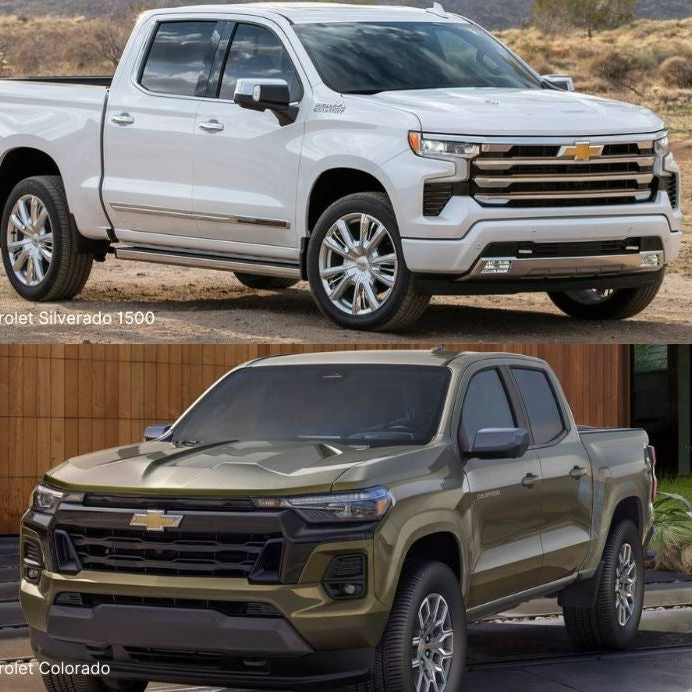
You’ve found the perfect tonneau cover online at an unbeatable price. Two weeks later, the box arrives and… it oesn’t fit. The product listing clearly said “6.5-foot bed,” and your 2016 Silverado has a 6.5-foot bed according to the dealer. So what went wrong?
Here’s the problem: chevy truck bed sizes by year aren’t as straightforward as the marketing materials suggest. A “6.5 ft bed” from 2005 measures differently than one from 2014, and neither matches the classic square body trucks from the 1980s that also wore the “6.5 ft” label. Unless you know the exact inside box length in inches and your specific model year, you’re basically gambling every time you order bed accessories.
I learned this the hard way after ordering a bed rack system for what I thought was a standard configuration. Turns out my crew cab had different mounting points than the extended cab version from the same year. Knowing your cab sizes is just as important as knowing your bed length when ordering accessories, since cab styles like the extended cab super crew or super crew affect fitment and product compatibility. Two hours on the phone with customer service and a $45 return shipping label later, I started keeping detailed notes on Chevy truck bed dimensions.
This guide cuts through the confusion. Whether you’re working on a 1972 C10 restoration, shopping for a used Chevy Silverado or Colorado, or just trying to buy a bed liner that actually fits, you’ll find the exact measurements you need organized by generation and model year.
While this guide covers all Chevy truck bed sizes, you can take a look at specific Chevrolet model bed size guides below;
Overview: Chevy Truck Bed Sizes by Year
Chevy truck bed sizes have transformed dramatically over the past six decades. What started as a simple choice between short and long beds in the 1960s has evolved into a complex matrix of several bed lengths, cab configurations, and model-specific dimensions across both gm full size truck and compact midsize truck lines. Manufacturers now offer different options to accommodate different needs.
The square body C/K trucks your dad drove offered two basic options. Today’s lineup? The full-size Chevy Silverado bed offers three Silverado bed sizes while the midsize Colorado provides two, and each varies by cab style, trim level, and model year. Understanding your exact truck bed size matters more than ever. The aftermarket industry uses precise measurements, not marketing terms. For pickup truck owners, choosing the correct bed size is crucial to ensure compatibility with accessories and repair panels.
That “short bed” label could mean 69 inches, 78 inches, or even 97 inches depending on what generation truck you’re discussing. A tonneau cover designed for a 2014 Silverado 1500 won’t seal properly on a 2019 model, even though both trucks are advertised with “6.5-foot beds.” This article focuses specifically on Chevy truck models—the full-size C/K series from the 1960s through 1998, the Silverado 1500 bed, 2500HD, and 3500HD models from 1999 to present, plus the colorado crew cab from 2004 to present. We’re breaking down their common factory bed length by generation, explaining how to measure correctly, and showing you exactly what information you need before ordering any bed-related parts or accessories. When it comes to the Silverado, understanding the different Silverado bed sizes is essential for selecting the right parts and maximizing cargo volume.
Here’s what you’ll find:
-
Quick reference charts showing chevy truck bed sizes by year and generation (full-size and midsize)
-
Detailed breakdowns for key model years from the 1960s through current production
-
Complete Colorado bed dimensions specifications for both generations
-
Step-by-step guidance on measuring your inside box correctly
-
Common mistakes that lead to ordering the wrong parts
-
Tips for choosing overlanding and camping setups by truck bed size
-
Answers to the most frequently asked questions about silverado bed length and Colorado dimensions
Quick Reference: Chevy Truck Bed Size Charts by Generation
These charts provide a fast way to identify typical bed lengths for major chevy truck generations from the late 1960s through current models. Use them as a starting point, then dive into the detailed sections below for your specific year.
The Chevy Silverado bed is available in three silverado bed sizes: short, standard, and long, each with specific dimensions to suit different hauling needs. Double cab models of the silverado 1500 typically only offer a standard bed option. For Heavy Duty models, recent Silverado Sierra models (2020s) have a standard box length of approximately 82.3 inches and a long bed length of approximately 98.2 inches.
Full-Size Chevy Trucks (C/K Series & Silverado)
|
Model Years & Generation |
Available Bed Lengths |
Common Configuration Notes |
|
1967–1972 C/K "Action Line" |
~78 in (6.5 ft), ~97 in (8 ft) |
Regular cab Short Bed/Long Bed |
|
1973–1987 C/K "Square Body" |
~78 in (6.5 ft), ~97 in (8 ft) |
Most popular classic chevy truck |
|
1988–1998 GMT400 (OBS) |
~78 in (6.5 ft), ~97–99 in (8 ft) |
Regular and extended cab introduced |
|
1999–2006 GMT800 Silverado |
~69 in (5.8 ft), ~78 in (6.5 ft), ~98 in (8 ft) |
Three silverado sierra bed options |
|
2007–2013 GMT900 Silverado |
~69 in (5.8 ft), ~79 in (6.6 ft), ~97 in (8 ft) |
Extended cab vs crew cab |
|
2014–2018 K2XX Silverado |
~69 in (5.8 ft), ~79 in (6.6 ft), ~98 in (8 ft) |
Short bed 5'8 box available |
|
2019–Present T1XX Silverado 1500 |
~69.92 in, ~79.44 in, ~98.18 in |
Current generation chevy silverado bed sizes |
|
2020–Present T1XX Silverado HD |
~82 in (6.8 ft), ~98 in (8.2 ft) |
Super duty class standard and long beds |
Midsize Chevy Colorado
|
Model Years & Generation |
Available Bed Lengths |
Common Configuration Notes |
|
2004–2012 Colorado (First Gen) |
~60.3 in (5 ft), ~72.6 in (6 ft) |
Short bed on colorado crew cab |
|
2015–Present Colorado (Second Gen) |
~61.7 in (5.1 ft), ~74 in (6.2 ft) |
Compact midsize truck options |
Important Note: Exact measurements can vary by an inch or two within the same generation depending on cab style and whether you're measuring a Fleetside versus Stepside bed on classic trucks. These figures represent the standard nominal sizes used in most fitment guides and parts catalogs.
For full-size Silverado 1500 models from 2019 forward, bed dimensions have settled into three consistent options. The short bed runs just under 70 inches inside the box, the standard bed measures right around 79 inches, and the long bed stretches to 98 inches. Heavy Duty models skip the short bed entirely and offer only standard bed (roughly 82 inches) and long bed (roughly 98 inches) configurations.
The midsize Colorado offers two Chevy truck bed sizes. The short bed 5 box measures approximately 61.7 inches (5.1 feet) and comes primarily on Colorado crew cab models. The long bed runs about 74 inches (6.2 feet) and is available on extended cab configurations, though it's less commonly seen on dealer lots compared to the short bed crew cab setup.
Classic Chevy C/K Truck Bed Sizes by Year (1960s–1987)
Before the Chevy Silverado name even existed, Chevy's C/K series trucks dominated job sites and farms across America. These older models followed a simpler short bed versus long bed pattern, but the exact dimensions still matter tremendously—especially if you're hunting for restoration parts from raybuck auto body parts or trying to make accessories work on a vintage rig.
1960–1966 C/K Series

The early 60's C/K trucks came in two main bed lengths - long bed about 99 inches long with a 73 inch width at the top rails and 65 inches across the floor between the wheelhouses. Short beds on the other hand measured roughly 73–78 inches long - though exact specs varied year to year as Chevy continued to refine their design.
The Stepside beds – those classic narrow boxes with exposed rear fenders – pretty much mirrored the same nominal lengths as Fleetside, but their dimensions told a different story. The box width between the wheel wells on Stepside configurations narrowed down to about 50 inches because of those projecting fenders & you lost 20–30% of your usable cargo space when compared to a Fleetside, but plenty of people thought the look was worth it.
Here's the thing that trips up a lot of restorers: the half-ton models like the C10 & K10 shared similar truck bed lengths with the heavier C20 & K20 but their frames and axle setups were completely different - a bed from a C10 won't just bolt onto a C20 without doing some modifications to the mounting points.
1967–1972 C/K "Action Line"

Chevy's "Action Line" generation - sometimes known as the "Glamour Truck" series - standardized bed options into 2 clean choices. The short bed (6.5 box) came in at roughly 6.5 feet or about 78 inches inside the bed, while the long box configurations stretched to approximately 8 feet, which works out to 97-99 inches depending on where you decide to measure.
These trucks became extremely popular restoration projects over the last decade. Values just keep on climbing and guys are willing to pay serious cash for the correct replacement panels like Mazda bed panels or classic C10 steel. However if your ordering patch panels or full bedsides for a 1967-72 model the exact inside box length becomes a pretty big deal.
One inch or two off and you'll be looking at gaps, misaligned bolt holes, and a whole lot of frustration. The size for long bed trucks on these Action Line trucks ran about 99 inches length by 73 inches width at the top with 65 inches across the width floor. Wheel well designs in this generation actually increased the between-wheel-well width up to roughly 50 inches giving you a bit better interior cargo space than some of the earlier models.
1973–1987 "Square Body" C/K

The Square Body generation ran from 73 through 87 for most configurations, though some crew cab and heavy-duty models leaked into 1991. These trucks still came with 2 main bed length options that matched the previous generation's measurements. Short bed (6.5 box) units came in about 6.5 feet (roughly 78 inches), while the long box (8 foot) units measured around 8 feet (97-99 inches inside the box).
Crew cab configurations weren't all that common in the early years of this generation but when you did see one it usually came paired with the 8-foot long bed (8 box) for maximum cargo volume. Fleet buyers loved that setup for utility work. Many aftermarket suppliers just list parts under the term "Square Body 73–87", offering quality and competitive pricing for those restoring these classics.
Stepside variants remained in the books throughout this generation. These beds generally measured 76-77 inches in length with a width of about 59.5 inches. You'd be giving up 15-20% of your cargo space compared to the Fleetside, but the sportier profile made Stepsides pretty popular for custom builds and weekend cruisers. Just keep in mind - Physically measure the inside box length from the front of the box to the inside edge of the tailgate. These trucks have had 30-50 years for bed swaps, so relying solely on what the VIN says isn't going to cut it.
Chevy Silverado 1500 Bed Sizes by Year
The Silverado 1500 took over from the C/K line in 99 and immediately changed the game by offering three Silverado bed sizes instead of two. Figuring out the relationship between regular cab, extended cab, double cab, and crew cab becomes pretty essential at this point.
1999-2006 Silverado 1500 (GMT800)

The GMT800 platform marked a pretty significant turning point for the full-size truck lineup. Chevy came in with composite bed materials as a precursor to today's Durabed tech, shaving 50-100 pounds compared to the old all-steel designs while improving corrosion resistance.
That weight savings went straight to payload capacity.Three different bed configurations came with this generation of Silverados. Crew cab models were usually fitted with the short bed 5'8 box which had a true 5.8-foot box – coming in at about 69.92 inches. In extended cab and regular cab setups you'd often find the standard bed that was roughly 79.44 inches long – which Chevy confusingly called the "standard bed 6.5 box", even though it measured closer to 6.6 feet. For trucks looking to haul the most stuff, the long bed option stretched out to 98.18 inches and was mainly available on regular cab models.
The width floor was standardized at 71.4 inches across the whole range and if you measured the distance between the wheel wells it was 50.63 inches. Cargo volume ranged from 62.9 cubic feet for the short bed right up to 89.1 cubic feet for the long bed. That 40% increase in volume really made a difference to people who had to haul ATVs, hay bales or construction materials on a regular basis.
2007–2013 Silverado 1500 (GMT900)

The GMT900 generation actually didn't change the nominal lengths all that much from its predecessor however it did refine the inside box dimensions to a degree that did have an impact on accessory fitment though. The short bed still measured roughly 5.8 feet (69-70 inches inside the box). Standard bed units came in at around 6.6 feet (78-79 inches). Long bed 8 box units went up to approximately 8 feet (97 inches).
Now - here's the catch - those tiny changes to the dimensions – sometimes just an inch or two – mean that a tonneau cover designed to fit a 2005 GMT800 Chevrolet Silverado just might not seal properly on a 2008 GMT900 model, even though both are marketed as having “6.5-foot beds”. The mounting points changed, the bed rail profiles were slightly different and suddenly your $800 retractable cover no longer fits.
2014–2018 Silverado 1500 (K2XX)

The K2XX generation introduced some new bed features like the handy CornerStep rear bumper and built-in tie-downs. The bed options didn't change a great deal in terms of basic choice – you still had three options to choose from. The short bed 5.5 box came in at about 69.3 inches (5.8 feet) and this one was primarily on crew cab models. Standard bed 6.5 box units were 78.9 inches long (6.6 feet) and these were usually on double cab models, plus some crew cabs. Long bed units stretched out to 97.8 inches (8 feet) and these were mainly paired with regular cab and some double cabs.
Cargo volume turned out to be roughly 62.3 cubic feet for the short bed, 71.2 cubic feet for the standard, and 89 cubic feet for the long bed. One thing that fleet managers particularly liked about this generation was that the 6.6-foot standard bed gave you a solid 1,940-pound payload capacity with 13,300-pound towing capability – all while staying under the 82-inch width that was so important for navigating tight urban delivery routes.
2019–Present Silverado 1500 (T1XX)

The current T1XX Silverado 1500 models represent the most precisely specified Chevrolet truck bed sizes you'll find to date. The short bed 5.5 box (which is often called the short bed 5'8 box) measures 69.92 inches inside the box (5.8 feet) with 62.9 cubic feet of available space. Standard bed 6.5 box units run 79.44 inches (6.6 feet) and give you 71.7 cubic feet. Long bed 8 box units go up to 98.18 inches (8.1 feet) with 89.1 cubic feet for hauling your stuff.
Cab sizes and bed pairings have become a lot more predictable now. Crew cab units usually come with the 5.8-foot or 6.6-foot bed. Double cab models usually get the 6.6-foot standard bed. Regular cab trucks pair with the 8.1-foot long bed. All current Silverado 1500 bed options come in a width floor of 71.4 inches and keep 50.63 inches between the wheel wells at a depth of 22.4 inches.
Chevy Silverado 2500HD & 3500HD Bed Sizes by Year Silverado Sierra
Heavy Duty models have always prioritized payload and towing over passenger comfort, which is probably why you don't see many short bed options on HD trucks - most configurations offer either a standard bed or long bed for serious workloads.
2001–2006 Silverado HD (GMT800)

The original HD models had a pretty simple setup - truck bed configurations came in two flavours : a standard bed that measured roughly 6.5 feet (or about 78 inches inside), and a long bed that stretched to around 8 feet (or 98 inches). Most of the time you'd see a crew cab paired with the standard bed because the longer wheelbase was getting a bit unwieldy. Regular cab and extended cab models on the other hand tended to go with the 8 foot long bed 8 box for maximum cargo volume.
Those HD beds in this generation were a bit different to the 1500 ones - the standard bed was about 82.25 inches with a width floor of 71.4 inches and 51.85 inches between wheel wells at 21 inches of depth. They were specifically built to handle all the weight needed for gooseneck hitches and super duty towing, getting close to the 20,000 pounds mark.
2007–2014 Silverado HD (GMT900 and Early K2XX HD)

This generation kept the similar bed size options : a standard bed about 6.5 feet and a long bed at around 8 feet. The real change was that crew cab configurations became much more popular and HD trucks started to make the shift to being daily drivers. You'd often see 8 foot beds paired with the 3500HD trucks with dual rear wheels. Actually, dually models really required 8 foot beds and have their own distinct fender and bedside designs, which might be worth considering when you're ordering replacement panels from raybuck auto body parts.
2015–2019 HD (Later K2XX) and 2020–Present HD (T1XX HD)

Current Silverado 2500HD and 3500HD models pretty much offer two truck bed options : the standard bed which measures roughly 6.8 feet (or about 82 inches inside the box), and the long bed 8 box which stretches to around 8.2 feet (or about 98 inches). Short bed options sadly aren't an option on HD models these days.
Which chevy truck bed you can order really depends on cab sizes. There's a bunch of rules in the order guides about cab sizes - Chevy limits certain combinations to keep the truck size under control and maintain proper weight distribution.
Chevy Colorado Bed Sizes by Year (2004–Present)
If the Silverado is the big, tough workmate then the Colorado is its smaller, nimbler sibling thats fits in a standard garage. But don't get fooled by the " compact midsize truck " label - getting the right truck bed size on a Colorado is tricky business.
First Generation Colorado (2004–2012)

When Chevy first launched the Colorado back in 2004, they offered two choices : a short bed 5 box (about 61 inches) or a 6-foot bed (about 73 inches). The bed you got really depended on the cab size you had chosen - if you wanted a colorado crew cab, you were stuck with the short bed. But if you went all out and got the regular and extended cab, you could get the 6-foot long bed.
Second Generation Colorado (2015–2022)

The Colorado took a break but came back fighting in 2015. This new generation had a 5.1-foot short bed 5.5 box (61.7 inches) and a 6.2-foot long bed (74 inches). The big plus point here was that you could get a colorado crew cab paired with the 6.2-foot long bed - this might be a stretch length, but it made a huge difference for folk fitting in a drawer system for their gear.
Third Generation Colorado (2023–Present)

As of 2023, the new Colorado is only available in one configuration: a crew cab short bed 5 setup (about 61.7 inches). If you're after a brand new midsize Chevy with a 6-foot bed, you're out of luck. However, this bed makes up for it with its comfy integrated tie-down points and a mid-position tailgate.Pro Tip: If you’re shopping for a used Colorado, always double check the bed length if it's a crew cab - it's a much bigger deal than you might think. To the untrained eye, the 5.1 and 6.2 foot beds can look identical in photos, but trust me, your tonneau cover will most definitely know the difference.
Common Bed Size Mistakes to Avoid
After years of helping out fellow truck owners, I've seen the same mistakes repeated over and over again. These mistakes end up costing a pretty penny and wasting a whole heap of time:
-
Assuming "6.5 ft" is Standard: This one always trips people up. A 1985 "6.5 ft Short Bed" is about 78 inches, whereas a 1999 "6.5 ft Standard Bed" is more like 78-79 inches. And if you're looking at a 2019 "6.6 ft Standard Bed" it's actually 79.44 inches. Let's face it - marketing terms don't exactly translate to consistent bed dimensions.
-
Ordering on Cab Type Alone: Knowing you've got a crew cab is a good start, but it doesn't guarantee you which bed size you have. In fact, many crew cab models came with multiple bed size options. So, just knowing which cab you have doesn't tell you squat about the bed size.
-
Brand Comparisons are a Recipe for Disaster: Whatever you do, don't assume that the bed sizes for Ford, Toyota or Nissan are the same as Chevy. Even if they all have "short beds", a frontier crew cab short, a tacoma double cab short or a tacoma stepside short bed will have completely different inside box measurements than a Chevy Silverado.
-
Older Models are a Whole Different Ball Game: If you're looking at an older Mazda long bed, a Mitsubishi long bed, an Isuzu long bed or a Datsun long bed, the box width and box length are going to be significantly different to a modern day Dodge full size truck or a GM full size truck.
-
Don't Forget the Sub-Models: A Ford Ranger Explorer Sport or a Dodge Midsize Truck (Dakota) will have unique dimensions that don't match Dodge compact truck or Ford light duty specs. Simply put, you need to measure up to be sure.
-
The "Dually" Factor: For Silverado 3500 owners, the most common mistake is ordering a bedside or liner from a single-rear-wheel truck for a dually. Dually beds have entirely different shapes and widths, and getting this wrong can cost you an arm and a leg.
How to Measure Your Chevy Truck Bed Correctly
Chevy truck bed sizes get rounded in marketing, so the only way to get an accurate measurement is to take your own. Start by lowering the tailgate all the way down. Measure from the inside of the bulkhead (the front wall of the bed) to the inside edge of the tailgate when it's closed. This will give you the true inside box length, which is what tonneau covers and truck bed mats are all about.
Grab a tape measure and write down the measurement in inches - don't even think about rounding it off. If you measure 79.44 inches, write that down, don't round it down to 79 inches. Then measure the width floor (the widest part) and the box width between the wheel wells. On current Silverado 1500 models, these measurements are 71.4 inches and 50.63 inches respectively. If you're looking at a Dodge full size truck or a Ford truck bed size, you'll see that each manufacturer has a slightly different take on wheel well intrusion.
Once you've got your measurement in inches, match it up against the common nominal sizes. If it's between 69 and 70 inches, you've got a short bed. If it's around 78 to 80 inches, you've got a standard bed. And if it's 97 to 99 inches, you've got an eight foot long bed.
Now, combine that measurement with your model year and cab type. This three-way combination of information - exact inches, year and cab - is the only way to ensure 100% accurate parts ordering.
Finding Your Bed Size Without Measuring
Sometimes you can't get to the truck right now, so what do you do? Well, the door jamb sticker lists RPO codes and the VIN contains encoded information about your truck's original configuration. For example, on recent Silverados, code ZW9 says you've got a long bed, while code ZY1 says you've got a standard bed.
Online VIN decoders can help out for trucks that haven't been modified, but be careful when it comes to older trucks. For instance, a Mazda truck sizes search or a look at Isuzu truck bed sizes or Mitsubishi truck bed sizes might give you factory specs, but it won't tell you if a previous owner has had a bed swap done. If the inside box length doesn't match the VIN, your tape measure is the only thing that matters.For a quick visual ID of bed size, check out the space between the cab and the rear wheel well. Short beds have the wheel well pretty much up against the cab, a standard bed will have about a foot of clearance, and a long bed will have a noticeably larger run of metal before it gets to the wheel.
If youre buying a used truck and need to scrounge up some parts, always get the seller to give you the measurement in inches - dont take their word for it when they say its a "6 foot bed", they may very well be stretching the truth.
Choosing the Right Bed Size for Overlanding & Camping
The bed size you go with can have a huge impact on everything from everyday drivability to how much gear you can haul on long trips. Ive tried out a few different bed setups over the year, and each one comes with trade-offs that are worth considering before you make a purchase.
The most popular setup out there - and its not hard to see why - is the 5.8-foot short bed on a crew cab Silverado. You get all the benefits of four doors and seats that actually fit adults, plus the overall length is still small enough to fit into a parking garage or city street. For weekend camping trips with a rooftop tent, this setup works perfectly - the RTT mounts to the cab, your gear fits in the bed, and you can still haul some smaller items like a cooler or your bike without feeling crammed in.
BUT, when you try to go with a truck bed tent instead of a rooftop tent, thats when the limitation starts to show up. Most good bed tents need at least 6.5 feet of bed length to set up properly, and the 5.8-foot bed just cant provide enough floor space. Plus, overlanding gear can add up fast - recovery boards, rotopax fuel cans, a spare tire, tools, camp kitchen setup, water storage... its all stuff youll need space for. And trust me, the short bed will fill up way faster than you expect.
Standard 6.6-foot beds seem to hit the sweet spot for serious overlanding with a crew cab. You get to keep good passenger space while gaining about 15% more cargo room compared to the short bed. And that extra space is a lifesaver when youre packing for a week-long trip or traveling with multiple people and all their gear. Bed tents work like a charm in this length, and you can mount drawer systems or bed storage solutions without sacrificing too much open space. On a two-week trip through Colorado last summer, my 6.6-foot bed on a crew cab handled a full camp kitchen, recovery gear, tools, four rotopax containers, and still had room for firewood and coolers.
Long 8-foot beds take the storage and work capacity all the way up, but they come with some trade-offs in overall vehicle length. On a regular cab or double cab, the long bed makes sense if you need to haul a lot of stuff, but if you need rear passenger space, its not the best choice. For overlanding, the extra length lets you mount full-size bed drawers, carry bigger items like kayaks or lumber flat in the bed, and still have room for bulky gear. But on the downside, the overall length of the truck can get up to 20 feet on most configurations, making tight trails and parking a lot tougher.
Heavy Duty models skip the short bed altogether and give you either standard (roughly 6.8 feet) or long (8.2 feet) beds. If youre running a slide-in truck camper or towing a big travel trailer, HD trucks with long beds provide the wheelbase and weight distribution you need for stable handling. The longer bed also helps you get a better tongue weight balance for gooseneck trailers and 5th-wheel campers.
For rooftop tent setups, bed length is less of an issue since the RTT mounts over the cab. Your main concern will be bed space for gear storage - short beds will work fine if you pack smart, but for truck bed tents or slide-in campers, youll want at least 6.5 feet - preferably the 6.6-foot standard bed - for proper fit and a livable interior space.
How Bed Size Affects Towing & Payload
Bed length affects more than just how much stuff you can haul - it also influences weight distribution, towing stability, and even your truck's official payload ratings in ways that may not be immediately obvious.
Longer beds shift the center of gravity rearward, which helps with weight distribution when youve got heavy cargo or a gooseneck trailer hooked up. Thats why you dont see HD trucks offered with short beds - the engineers know that serious towing requires proper wheelbase length to handle tongue weight safely. An 8-foot bed on a regular cab ends up with a longer wheelbase than a short bed on a crew cab, even though the crew cab is longer overall.
That extra wheelbase translates to better stability when youre towing 12,000+ pounds.The difference in payload capacity between bed sizes might not be as much as you would expect - just a 100-150 pound difference between a 5.8 foot bed and an 8 foot bed on a Silverado 1500. That extra weight of the longer bed does go to the payload capacity though. A 2020 Silverado 1500 crew cab with a short bed will have around 1,940 pounds of payload, while the same truck with the standard bed will be down to around 1,870 pounds because the standard bed just weighs more.
For those who are into gooseneck and 5th wheel hitches, the length of the bed becomes super critical. These hitches mount right in the bed and need to be placed over the rear axle just right to get that tongue weight right. Typically, most gooseneck installations need at least 6.5 feet of bed length so you can get the hitch in the right spot and still have room for the trailer to kinda swing around when you're making turns without hitting the cab. That's another reason why the HD models don't come with short beds - the guys who are planning on using these heavy-duty towing systems really need a bit more room in the bed.
The relationship between the cab configuration and the bed length also plays a role in how well the truck handles when it's loaded up. A crew cab with a short bed has a lot more weight in the middle of the truck (the extended cab area) and less in the bed - which can cause a bit of a leverage effect. When you start loading up the bed or attaching tongue weight from a trailer, that can make the truck feel a little wobbly. But, if you have a standard or long bed, the longer wheelbase helps to reduce that leverage, making the truck feel more stable and in control when it's loaded up.
Choosing the Right Accessories and Replacement Panels for Your Chevy Bed Size
Once you've figured out your exact bed dimensions and model year, you can go ahead and order bed accessories with a lot more confidence. Trust me, getting the information right the first time - that is, not having to return stuff and figure out why it doesn't fit - is a real time-saver and will keep you out of all sorts of frustration.
Tonneau covers are probably the most common accessory you'll buy, but they're also super sensitive to getting the fit just right. Soft rollup covers, folding covers and retractable covers all have specific points where they mount to the bed rails and the clamps attach at exact intervals that change between generations. You can't just get a cover for a 2007-2013 Silverado with a 6.6 foot bed and expect it to fit on a 2014-2018 model, even though both beds have the same length - the rail profiles are slightly different so the clamps won't grip right.
Bed liners and bed mats follow the same pattern. Drop-in liners are molded to fit the exact floor dimensions and wheelhouse contours of specific model years. A spray-in liner isn't as fussy, but even then - professional installers use templates cut for specific years to make sure they get the coverage just right. Bed mats are cut to fit the exact floor dimensions so a mat made for a 2020 Silverado won't lie flat on a 2015 model, even though they have the same bed length.
Bed rails, headache racks and ladder racks mount to stake pockets or drill directly into the bed rails at locations that vary between generations. The spacing between the mounting points changed when chevy redesigned the bed structure, so racks that fit GMT900 trucks might not fit properly with K2XX bed rails. You can't just go by the bed length, you need to verify the compatibility by specific generation and year range.
Camper shells and truck toppers require both the inside bed length and outside width measurements for proper fitment. And you also need to know the bed rail height because the shell needs to sit flush with the top edge of the bed. Most manufacturers will list their shells by make, model, year range and bed length - all four pieces of information are needed. A topper made for a 2016 Silverado won't fit a 2020 model even if they both have 6.6 foot beds, because the bed rail profile changed with the new T1XX generation.
When you're shopping for replacement bed panels - bed sides, tailgates, bed floors and patch panels - they are usually stamped for specific Chevy generations and aren't compatible from one generation to another, even when the dimensions look the same. A bedside from a 2005 Silverado has different mounting holes, different wheelhouse cutouts and different body line contours than a 2015 Silverado bedside. These panels are not interchangeable without doing a bit of modification - companies like Raybuck Auto Body Parts specialize in making replacement panels for various makes, including Toyota truck bed sizes, and they understand how important it is to get the right part for your Chevy or Toyota.
One important thing about getting parts from other manufacturers is that, even if they say the bed length is the same - like a "6.5 foot bed" - the actual measurements and mounting points are going to be different. Ford, Ram and Toyota all use different bed rail designs, different mounting systems and different overall dimensions - so you can't just swap accessories from one to another.Before ordering any bed-related parts for your truck, write down some key specifications: the model year, the exact inside length of your bed in inches, whether you've got a regular cab, extended cab, double cab, or a crew cab. If you've got a 1500, 2500HD or 3500HD then you also need to note whether it's a single rear wheel or dually set up. Having this information on hand is crucial to ensure that you get parts that actually fit your truck right from the start.
FAQ: Common Questions About Chevy Truck Bed Sizes by Year
What's the most common bed size on a Silverado 1500?
The standard bed length on the Silverado 1500 has traditionally been around 6.5-6.6 feet or 79 inches, and that's been the most common config, accounting for about 55% of all Silverado 1500 sales - its a great balance between cargo capacity and maneuverability, and still packs a decent payload and towing punch.
Did Chevy ever sell a 5.5 foot bed on the Silverado?
You might be surprised to learn that Chevy's shortest bed option on the Silverado 1500 is actually a little closer to 5.8 feet (69-70 inches inside the box), not 5.5 feet - this short bed is mainly available on crew cab models since the GMT800 generation launched back in 1999. Real 5.5 foot beds are more the norm on compact trucks from other manufacturers.
Are classic Chevy short beds the same length as modern short beds?
No way - theres a sizeable difference between them. If you take a classic C/K truck from the 1960s to the 1980s with what they called a "short bed" it measured around 6.5 feet (78-80 inches). Fast forward to today, and the Silverado 1500 "short bed" measures about 5.8 feet (69-70 inches). Thats a difference of almost 10 inches, and that matters a lot when it comes to accessories, liners and restoration parts.
Can I swap an 8 foot bed from one generation to another?
It's not exactly straightforward - you're unlikely to be able to swap beds between generations without having to do some serious modification work. The 1959-1987 C/K beds share some similar mounting locations, so you might be able to swap them out over those years, but you're still going to run into some issues with the cab and bed gap. And if you try to put a GMT400 bed on a GMT800 frame, you'll encounter problems with the tailgate fitment and alignment.
How do dually (3500HD) beds differ from single rear wheel beds?
If you're running a dually (3500HD) bed, the rear fenders will be a lot wider to accommodate the dual rear wheels and use completely different panel stampings. A bedside from a single rear wheel 3500HD wont fit a dually set up. The bed floor dimensions might be similar, but the fenders and outer bedsides are unique parts that just arent interchangeable.
What bed sizes are available on the Silverado HD models?
The current 2500HD and 3500HD Silverados come with standard beds around 6.8 feet (82 inches) and long beds approximately 8.1 feet (98 inches). You wont find any short bed options on the HD models because these trucks are designed with maximum payload and towing capacity in mind, which means they need longer wheelbases to get the weight distribution right.
How do I find replacement panels for my specific bed length?
Everybody who sells replacement beds, floors and tailgates categorizes them by specific generation, cab style, and bed length - so you need to provide your exact model year, cab style, and measured bed length when ordering. Parts for a crew cab short bed arent the same as those for a regular cab long bed, even if theyre the same model year.
Will a tonneau cover from a 2014 Silverado fit a 2019 model?
No, even though both have nominally similar bed lengths. The 2014 Silverado is a K2XX generation truck, while the 2019 is a T1XX generation - the bed rail profiles, mounting points and exact dimensions all changed between these generations, so tonneau covers just aren't going to be interchangeable, no matter what the marketing says.
What's the difference between inside bed length and outside bed length?
Inside bed length is the measurement from the front bulkhead to the inside edge of the closed tailgate - thats what tonneau covers and bed liners reference. Outside bed length measures the exterior dimensions of the box itself and matters more for toppers and replacement panels - so always make sure to clarify which measurement an accessory requires before ordering.
Do all crew cabs come with short beds?
No, while crew cabs are often paired with short beds (5.8 feet on Silverado, 5.1 feet on Colorado), many crew cab Silverados came with standard 6.6 foot beds depending on trim level and buyer preference. So to confirm - you really need to go out and measure your truck rather than just assuming the bed length based on the cab configuration.
How does the Colorado bed size compare to the Silverado?
The Colorado and Silverado do have some similar bed lengths - but not all of them - so you need to check your specific truck details when looking for accessories.The Colorado short bed at 61.7 inches is a good 8 inches shorter than a Silverado short bed at 69.92 inches. The Colorado long bed at 74 inches is roughly 5 inches longer than a Silverado short bed, but that's also 5 inches shorter than a standard Silverado bed. If you're looking at the space between the wheel wells, Colorados are narrower at 57.8 inches compared to 50.63 inches on Silverados.
Can I fit a full-size ATV in a Colorado bed?
Full-size ATVs are pretty big - most measure 48 inches or more wide, which is actually wider than the 57.8 inch space between the wheel wells on a Colorado. You may need to load the ATV at an angle or use ramps that sit on top of the wheel wells. The Colorado long bed is actually a better bet for angled loading, especially compared to the 61.7 inch short bed.
Which bed size holds value better when reselling?
For Silverados, the standard 6.6 foot bed on crew cab configurations tends to hold up pretty well due to its versatility and popularity. For Colorados, on the other hand, crew cab short bed models dominate the market and are the easiest to resell. Long bed Colorados are harder to come by but have a certain appeal to buyers who are willing to pay a premium for that configuration.
Conclusion: Get Those Measurements Right, And Order with Confidence
Getting a grip on Chevy truck bed sizes by year takes the guesswork out of buying accessories, ordering replacement panels, and planning any modifications you might want. Whether you're restoring a 1972 C10, trying to keep a 2015 Silverado 1500 in top shape, deciding between a Colorado and a Silverado for overlanding, or just spec'ing out a new 3500HD for your business, having the right measurements and knowing what year your truck was made means you can be sure your parts will fit right the first time.
So the key takeaways are - measure the length of your bed in inches from the inside of the front bulkhead all the way to the tailgate, verify exactly what model year your truck is and whether it's a crew cab or whatever, and also don't get too hung up on marketing terms like "short bed" or "standard bed" because they're not always the same across different generations and model lines. A "6.5 foot bed" from 1985 isn't the same as a "6.6 foot bed" from 2019, and neither one is the same as a Colorado "6 foot bed" at 74 inches.
Take five minutes to measure your truck bed, write down the specs and keep that information handy for every single future parts purchase. Trust me, those measurements will save you hours of frustration and hundreds of dollars in return shipping down the line.
Ready to get your Silverado or Colorado all outfitted with the right accessories?
Browse through our selection of tonneau covers, bed racks, and camping gear that's all made to fit your truck's bed size and model year. Use our compatibility tool to find parts that will fit your truck to a T, or just reach out to us with your measurements - we'll make sure you get it right the first time.
Looking for more truck bed camping resources? Check out our complete guides to rooftop tent setups, truck bed sleeping platforms, and overlanding gear storage solutions all optimized for different Silverado and Colorado bed configurations.