
Off Road Recovery Gear




Off Road Recovery Gear: Winches, Straps & Recovery Kits
Off road recovery gear is the equipment that gets you unstuck when the trail turns against you, and the difference between a quality recovery kit and a cheap one is the difference between walking out of a recovery scenario and getting hurt. We carry off road recovery gear from Smittybilt, TJM, and Front Runner, covering winches, snatch straps, recovery straps, traction board mounts, gear-holding brackets, and complete recovery kits for any overland or 4x4 build. Prices on featured products start at $81.99 for the TJM 11,000 kg snatch strap and run up to $545.99 for the flagship Smittybilt XRC 9.5 Gen2 waterproof winch, with the broader recovery gear catalog including additional winches, shovels, axes, traction boards (MaxTrax-compatible), and complete bundled recovery kits. Every piece of recovery gear on this page is rated to its claimed working load, built by brands trusted by serious overlanders and 4x4 owners, and shipped with the mounting hardware you need to install it correctly. Call us at 844-200-3979 to talk through which off road recovery gear setup fits your vehicle and how you actually use it.
Featured Recovery Gear
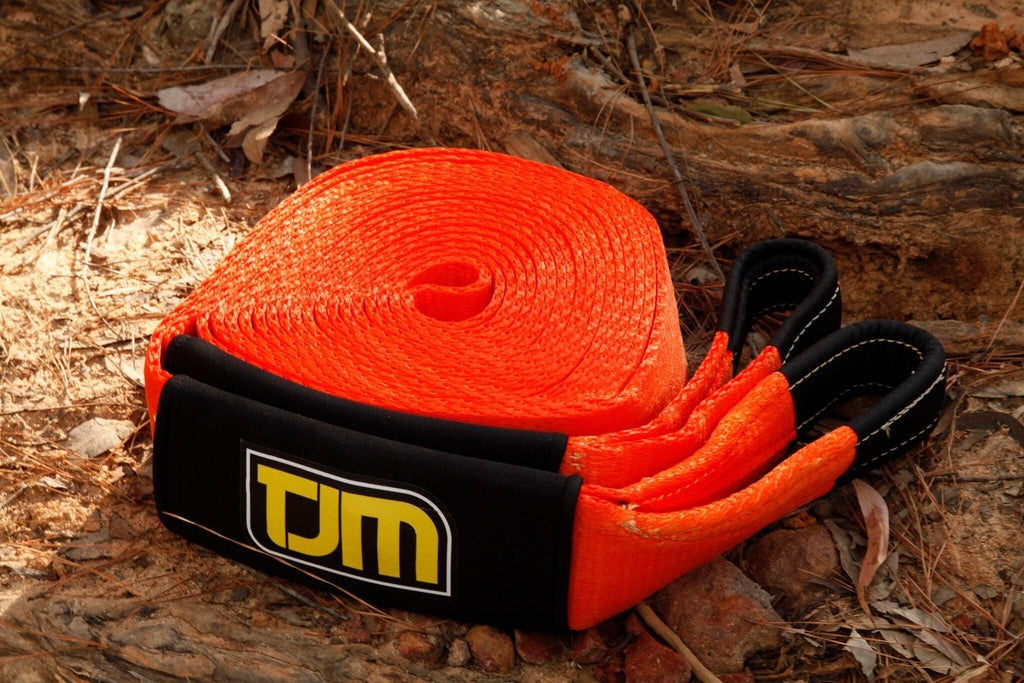
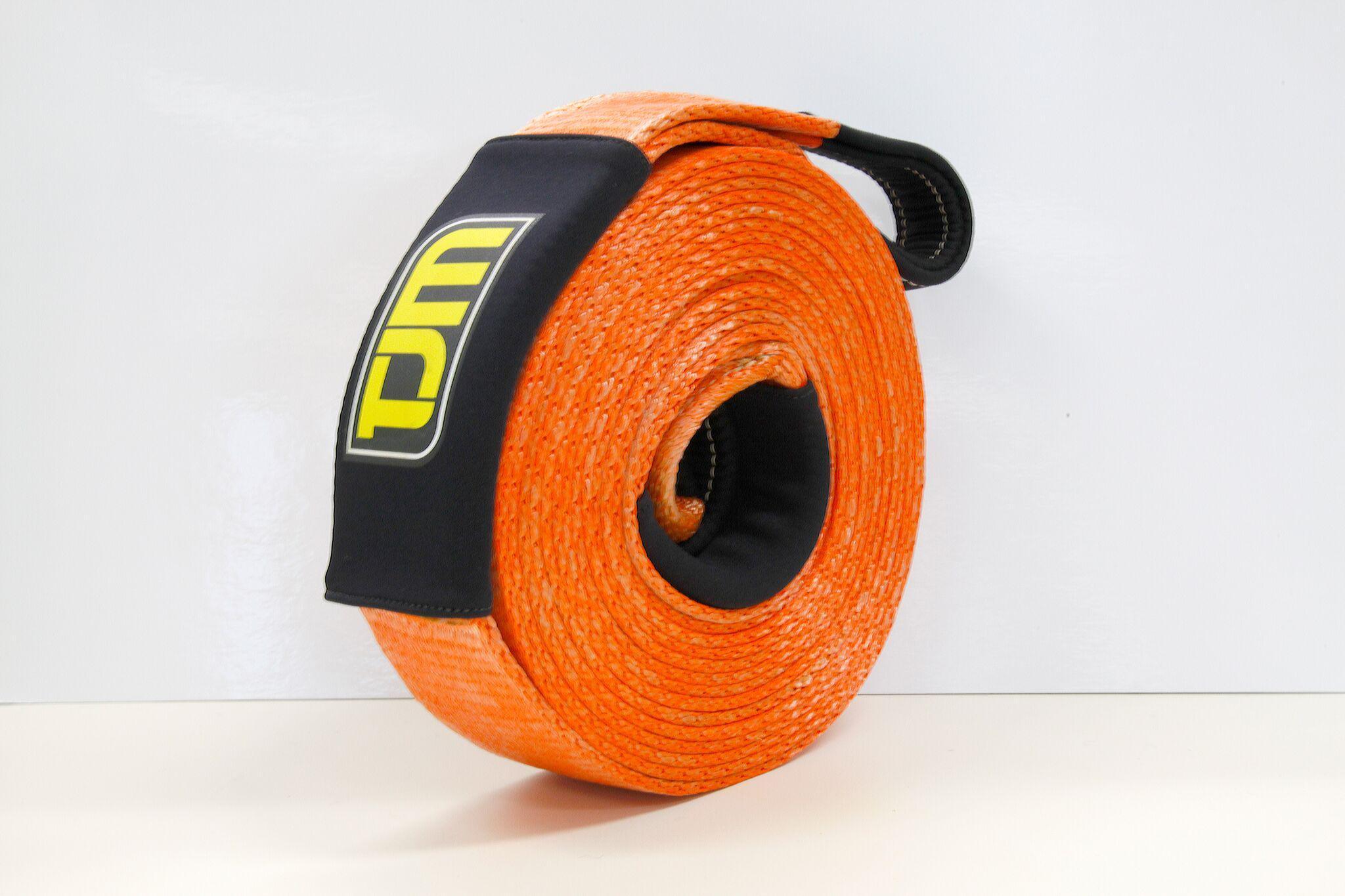
TJM Snatch Strap (11,000 kg / 24,000 lbs)
Price: $81.99
Type: Snatch strap / recovery strap | Rating: 11,000 kg (24,000 lbs) breaking strength
Build: Heavy-duty woven polyester, reinforced loop ends, high-visibility orange
The most affordable piece of recovery gear in our lineup and the foundation of any 4x4 recovery kit. The TJM snatch strap is a kinetic recovery rope that stretches under load to deliver explosive pulling force, making it the right tool for getting stuck vehicles unstuck without using a winch. 11,000 kg (24,000 lbs) breaking strength handles any consumer truck or SUV recovery scenario with safety margin to spare, the high-visibility orange color is easy to spot at trail-side recoveries, and the reinforced loop ends accept any standard d ring shackle. Standard kit for every overland and off road truck.
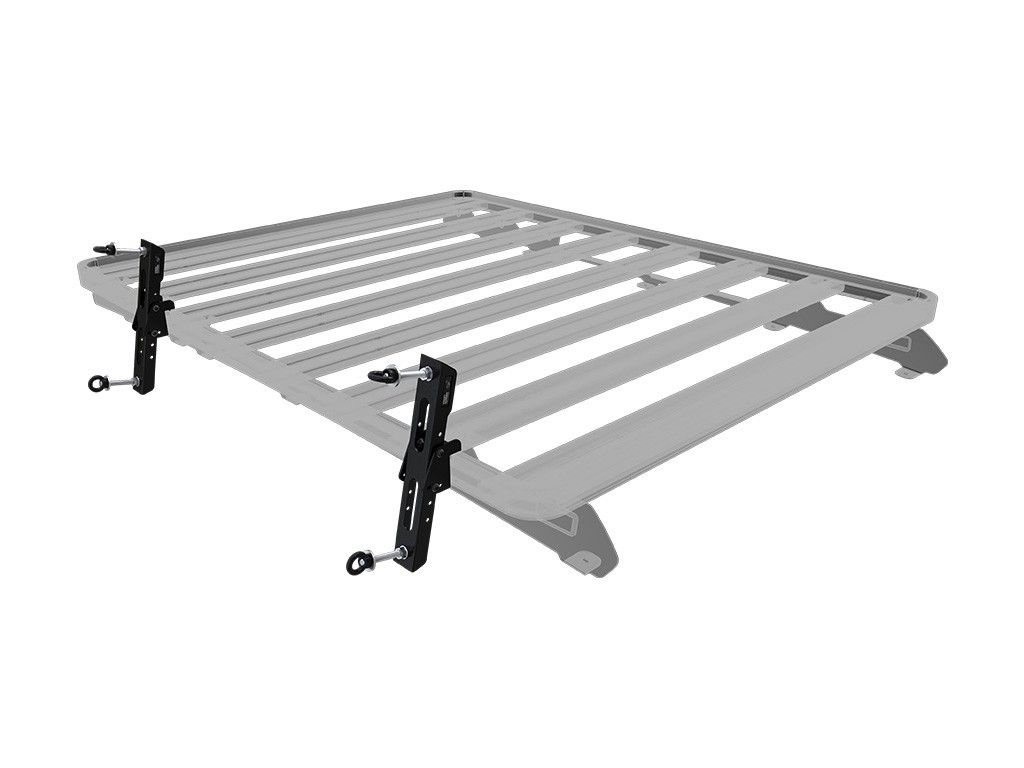
Front Runner Side Brackets (Recovery Gear Holding)
Price: $199.00
Type: Recovery boards / traction board mount | Fits: Front Runner Slimline II rack + MaxTrax-style boards
Build: Adjustable bracket design, heavy-duty steel, locking hardware
The Front Runner Side Brackets are the dedicated MaxTrax mount for Front Runner roof racks, sized to hold MaxTrax traction boards (and most MaxTrax-style traction boards from other brands) securely on the side of your roof rack. The adjustable bracket design accommodates different traction board thicknesses, the locking hardware deters theft of expensive boards at gas stops, and the side-mount position keeps the top of the rack clear for other gear. The right pick for any overlander running traction boards as part of their off road recovery gear kit.

Front Runner Recovery Device Mounting Kit
Price: $199.00
Type: Recovery device mount (shovels, axes, high-lift jacks) | Fits: Front Runner Slimline II rack systems
Build: Heavy-duty steel, universal recovery device geometry, locking hardware
The Front Runner Recovery Device Mounting Kit is the universal mount for shovels, axes, high-lift jacks, and other long-handled recovery tools that need to stay accessible but out of the way on overland trips. Heavy-duty steel construction handles full tool weight on washboard roads, the universal geometry accepts most major recovery tool brands, and the locking hardware deters theft of expensive recovery equipment. Pairs with the Side Brackets above to build a complete rack-mounted recovery gear system on a single Front Runner Slimline II platform.
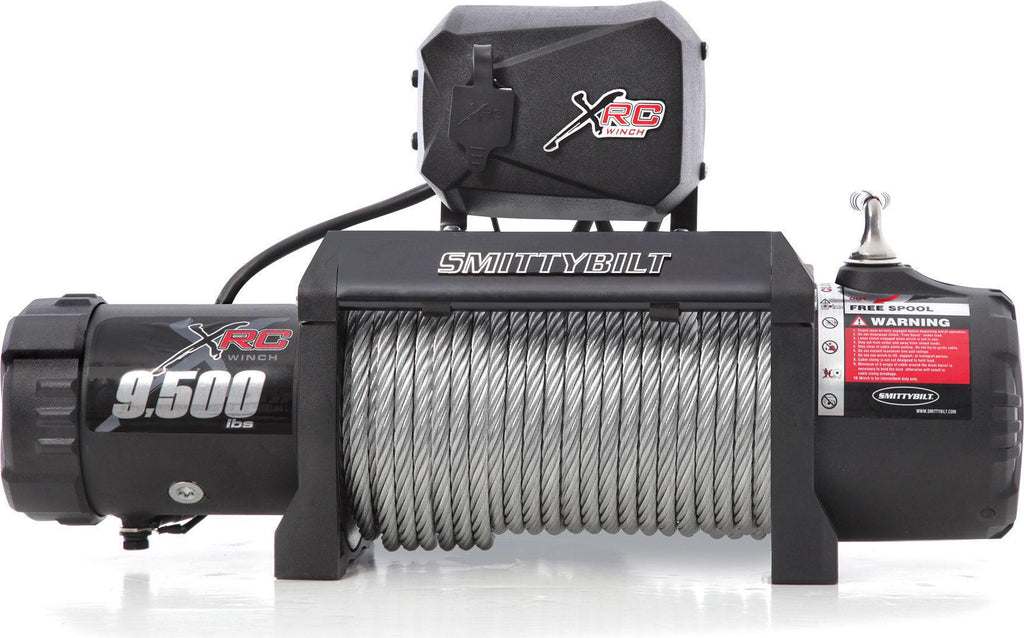
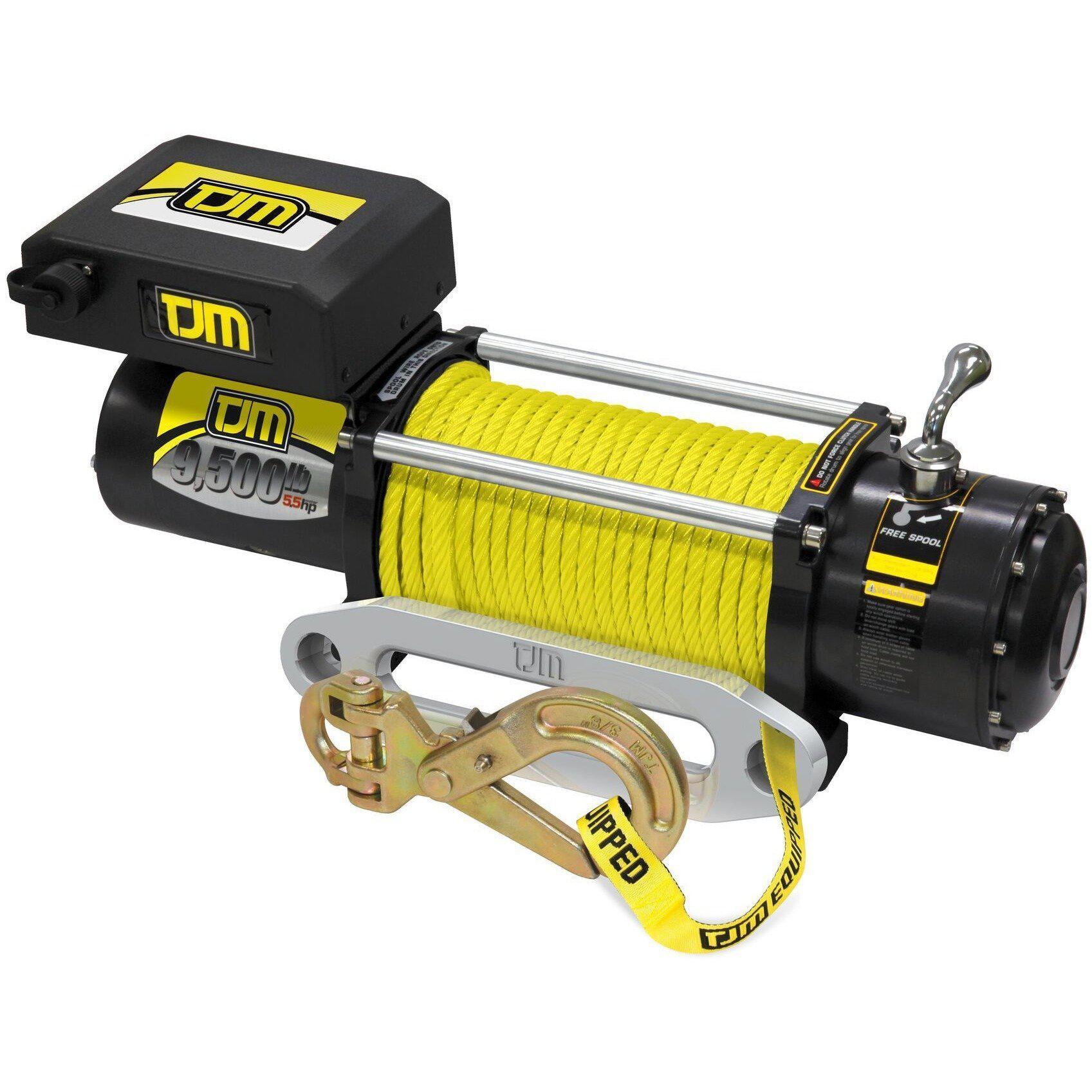
Smittybilt XRC 9.5 Gen2 Waterproof Winch
Price: $545.99
Type: Truck winch / off road winch | Capacity: 9,500 lb pull rating
Build: Waterproof IP68-rated, 6.6 HP motor, integrated solenoid, wireless remote
The Smittybilt XRC 9.5 Gen2 is the premium 9,500 lb winch for truck and SUV recovery work. IP68 waterproof rating means it handles water crossings, mud, and torrential rain without failure (a real difference from cheaper winches that fail after the first deep crossing). The 6.6 HP motor delivers consistent pulling power even on extended recoveries, the integrated solenoid eliminates the most common winch failure point, and the wireless remote keeps you safely away from the working line during recoveries. Standard winch for serious off road and overland builds where vehicle weight runs 4,000-6,500 lbs.
Recovery Gear Compared
| Product | Type | Capacity / Rating | Best For | Price |
|---|---|---|---|---|
| TJM Snatch Strap | Snatch strap / kinetic recovery rope | 11,000 kg (24,000 lbs) | Vehicle-to-vehicle recoveries, kinetic pulls | $81.99 |
| Front Runner Side Brackets | Traction boards mount | Fits MaxTrax-style boards | Roof rack-mounted traction boards | $199.00 |
| Front Runner Recovery Device Mount | Shovel/axe/jack mounting kit | Universal fitment | Rack-mounted recovery tools | $199.00 |
| Smittybilt XRC 9.5 Gen2 Winch | Off road winch / truck winch | 9,500 lb pull rating, IP68 | Self-recovery, premium overland builds | $545.99 |
Building a Complete Off Road Recovery Kit
The right off road recovery kit isn't a single product; it's a system of components that work together to handle the recovery scenarios you'll actually encounter. Most serious overlanders build their recovery gear in layers, starting with the basics and adding capacity as their trips get more remote.
Layer 1, vehicle-to-vehicle recovery basics ($150-$250): A snatch strap (like the TJM 11,000 kg above) and two d ring shackles. This is the minimum 4x4 recovery kit and the minimum 4x4 recovery gear setup that covers most "stuck in mud" or "high-centered" scenarios where another vehicle can pull you out. Most beginner overlanders start here and find it handles 80% of real-world truck recovery gear scenarios.
Layer 2, self-recovery basics ($300-$600): Add traction boards (MaxTrax-style with the Front Runner Side Brackets mount), a quality shovel, and a recovery kit bag to organize everything. This expands your offroad recovery gear capability to scenarios where no second vehicle is available, which is most genuine overland trips. Traction boards and recovery boards are the single most-used self-recovery tool because they work for sand, mud, snow, and loose terrain.
Layer 3, winch-based recovery ($600-$1,500): Add an off road winch like the Smittybilt XRC 9.5 plus a winch-mount bumper if you don't already have one, a tree saver strap, a snatch block for redirected pulls, and a winch line damper for safety. This level handles serious winch recovery scenarios in remote terrain where neither another vehicle nor traction boards alone are enough.
Layer 4, complete vehicle recovery gear bundle ($1,500-$3,000+): Multiple snatch straps in different ratings, a complete winch kit with backup gear, MaxTrax plus secondary traction boards, a d ring shackle set in multiple sizes, full hand-tool kit (shovels, axes, high-lift jack), and organized storage. This is the recovery gear kit for serious expedition use where you're days from professional recovery services.
The "buy once, cry once" rule for recovery gear: Cheap recovery gear fails at the worst possible moment. A $20 Amazon snatch strap that tears at 80% of its rated load can put a steel hook through your windshield. A $200 generic winch that loses power on a real recovery leaves you stuck deeper than you started. Recovery gear is the one category where the brand premium genuinely pays back in safety, not just durability. Every product on this page is from a brand with serious load testing and warranty backing.
Winch Selection: How to Pick the Right Truck Winch
Picking the right winch for truck or SUV use comes down to one math problem: your fully loaded vehicle weight multiplied by 1.5 gives you the minimum pull rating you need. A 5,000 lb truck needs a 7,500 lb winch minimum; a 6,500 lb fully built overland rig needs a 9,500 lb-rated truck winch (which is exactly why the Smittybilt XRC 9.5 is the right size for most overland builds).
Beyond capacity, two specs matter more than people realize:
Waterproofing rating is the most overlooked spec. A non-waterproof winch fails after the first deep water crossing, and "water resistant" isn't the same as IP67/IP68 rated. The Smittybilt XRC 9.5 Gen2 is IP68 (fully submersible), which is the right rating for any overland off road winch that might see real water.
Motor type and HP determines duty cycle and sustained pulling power. A 4-5 HP motor handles short recoveries but overheats on extended pulls; a 6+ HP motor (like the Smittybilt's 6.6 HP) handles longer recoveries without thermal limiting. For overland use where recoveries can take 20-30 minutes of intermittent pulling, the higher HP motor pays back.
Traction Boards: When You Need Them More Than a Winch
Most overlanders assume a winch is the most important piece of recovery gear, but the data from actual recovery scenarios tells a different story. Traction boards (MaxTrax, ARB TRED Pro, and similar) handle 60-70% of real-world stuck situations: sand, snow, mud, loose gravel, and low-traction terrain where the vehicle just needs purchase to drive itself out.
A pair of MaxTrax-style traction boards solves these scenarios in 5-10 minutes without needing another vehicle, anchor point, or significant skill. A winch requires an anchor point (which doesn't exist in many recovery scenarios), takes 15-30 minutes to deploy and complete, and demands real recovery technique knowledge to use safely. For most overlanders, traction boards should be the first recovery purchase, not the winch.
The Front Runner Side Brackets above are sized to hold MaxTrax and most MaxTrax-style traction boards (ARB TRED Pro, ActionTrax, OVS, and similar dimensions). Mounting them on the side of your roof rack keeps them accessible from ground level, which is important because you don't want to climb on top of a stuck vehicle to access recovery gear.
Snatch Strap vs Tow Strap vs Kinetic Recovery Rope
These terms get used interchangeably in casual conversation but mean different things, and using the wrong product for a recovery scenario can damage your truck or injure people. Here's the actual breakdown.
Snatch strap is a stretchy recovery strap (typically polyester webbing) designed to absorb and release kinetic energy. The stretch is the point: when one vehicle takes up slack and accelerates, the strap stretches, stores energy, then releases it to pull the stuck vehicle out. The TJM Snatch Strap on this page is the textbook example. Use for kinetic recoveries.
Tow strap is a non-stretch recovery strap designed for static towing, not kinetic recovery. Using a tow strap as a snatch strap is dangerous because there's no kinetic energy absorption, which means the shock load goes directly into vehicle mounting points and can rip them off the chassis. Use only for slow, static towing.
Kinetic recovery rope is the newer-tech version of a snatch strap. Made from braided nylon, it offers more stretch (30% vs 20% for a polyester snatch strap) and stores more kinetic energy. Better for very stuck recoveries but more expensive. The TJM Snatch Strap is the right entry point; kinetic recovery rope is the upgrade for owners doing serious expedition use.
Frequently Asked Questions
What's the difference between recovery gear and a recovery kit?
"Recovery gear" is the general term for any equipment used to recover a stuck vehicle: snatch straps, winches, traction boards, shackles, shovels, axes. A "recovery kit" is a curated bundle of recovery gear sold together, typically with a snatch strap, shackles, gloves, and a bag. The Front Runner mounting brackets and TJM snatch strap on this page are individual recovery gear products; we also carry complete recovery kit bundles in the broader off road recovery gear catalog for buyers who want to buy everything at once.
What size winch do I need for my truck?
Calculate your fully loaded vehicle weight (truck + gear + RTT + passengers + fuel) and multiply by 1.5. That's the minimum pull rating you need. A typical 5,000 lb truck needs a 7,500 lb winch; a fully built 6,500 lb overland rig needs a 9,500 lb truck winch like the Smittybilt XRC 9.5 on this page. Going bigger than required is fine and gives you safety margin; going smaller risks burning out the winch motor on real recoveries.
Do I really need traction boards if I have a winch?
Yes. Traction boards handle the majority of stuck scenarios where no anchor point exists for a winch: sand dunes, open snow fields, mud bogs with no nearby trees, and beach recoveries. A winch is useless without something solid to pull against, while traction boards work as long as your wheels can find purchase. Most experienced overlanders prioritize traction boards (with the Front Runner Side Brackets mount on this page) over a winch as the first recovery gear purchase.
What are recovery shackles for?
Recovery shackles (also called d ring shackles or bow shackles) are the steel hardware that connects recovery straps and winch lines to your vehicle's recovery points. Never attach a snatch strap directly to a bumper, tow ball, or non-rated point; always use a proper recovery shackle through a rated recovery point on the chassis. D ring shackles are sold in working load ratings (typically 4.75 ton or 8.5 ton); match the shackle rating to your strap's working load.
Where should I mount my recovery gear?
The standard answer: traction boards on the side of the roof rack (using the Front Runner Side Brackets above), winch in the front bumper, snatch strap and shackles in an accessible bed-mounted storage box or recovery bag, and shovels/axes on the roof rack using a recovery device mounting kit. The principle is that recovery gear needs to be accessible without climbing on top of a stuck vehicle. Front bumper, side rack, and bed storage are all reachable from ground level.
Related
Winches Collection
Complete winch catalog with Smittybilt, Warn, and other premium brands. Includes hidden winch mounts and winch accessories.
Off Road Bumpers
Winch-ready off road bumpers that integrate with the recovery gear on this page for a complete recovery system.
Need Help Picking the Right Recovery Gear?
Tell us your vehicle, where you actually drive, and what recovery scenarios you face. We will match you with the right off road recovery gear setup.