
Ford Ranger Bed Dimensions: Complete Size Guide for Every Model & Year
Key Takeaways
-
2025 Ford Ranger features standardized 5-foot bed across all trims: 59.6” length, 62.4” width, 48.2” between wheel wells
-
Current Rangers offer 43.5 cubic feet of cargo volume with 20.9” bed depth and 34.7” lift-in height
-
Earlier model years (2019-2024) offered choice between 5-foot SuperCrew and 6-foot SuperCab configurations
-
Ranger bed can accommodate 4x8 plywood sheets flat and provides payload capacity up to 1,860 pounds
-
Ford offers extensive bed accessories including liners, extenders, and cargo management systems
The Ford Ranger has established itself as a leading choice in the midsize truck segment, but understanding the truck bed dimensions Ford Ranger offers across different model years can significantly impact your purchasing decision. Ford made substantial changes to their bed configuration strategy with the 2025 model year, moving from multiple options to a single standardized approach that affects every aspect of cargo hauling.
Whether you’re a contractor needing to transport materials, an outdoor enthusiast planning weekend adventures, or simply someone who values practical utility, the Ford Ranger bed dimensions play a crucial role in determining if this midsize truck meets your hauling needs. This comprehensive guide examines every aspect of Ford Ranger bed size specifications, from current offerings to historical variations, helping you make an informed decision.
2025 Ford Ranger Bed Dimensions
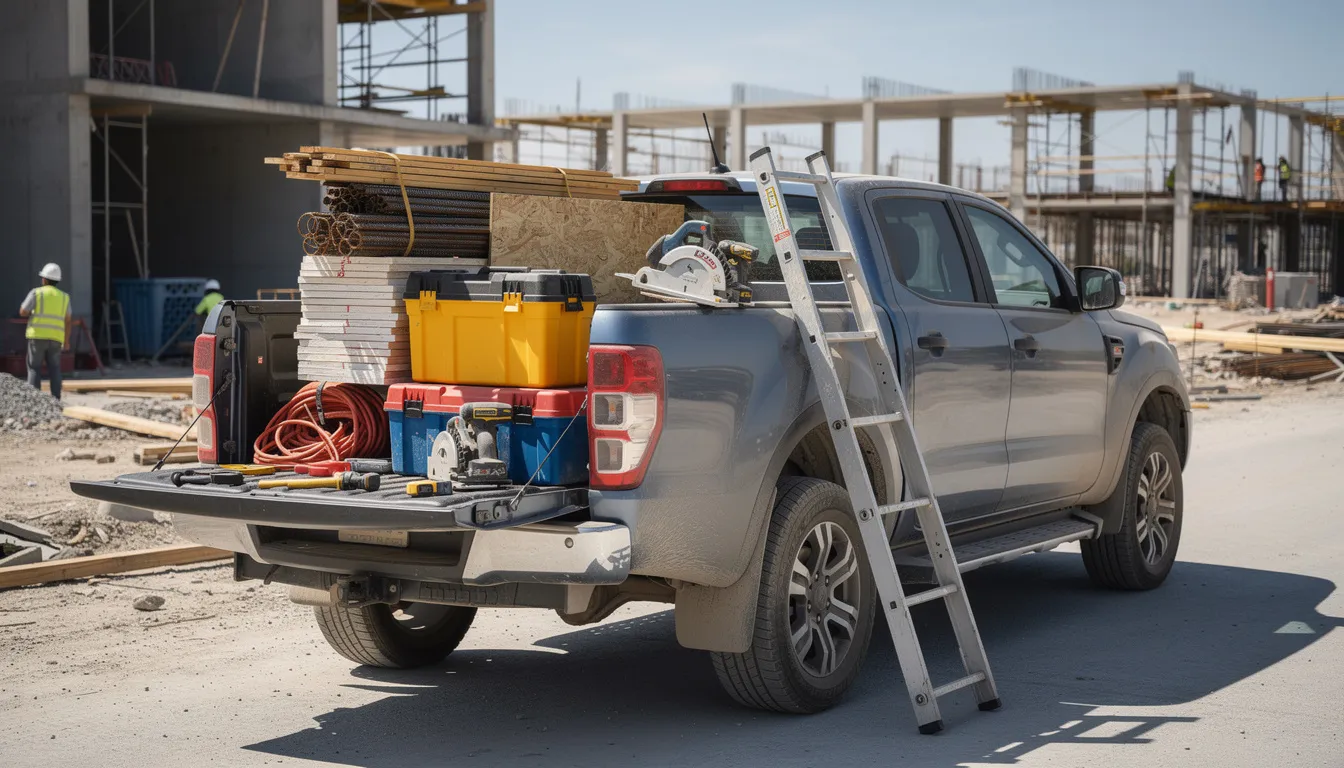
The 2025 Ford Ranger represents a significant shift in Ford’s approach to bed configurations. Unlike previous generations that offered multiple bed size options, the new Ford Ranger features a single, standardized 5-foot bed across all trim levels, from the work-ready XL to the trail-oriented Raptor.
Exact Measurements and Specifications
The Ford Ranger bed measurements for 2025 are uniform across all trims. The bed length measures precisely 59.6 inches, providing a five foot bed configuration that maximizes maneuverability while maintaining practical utility. The Ford Ranger bed width spans 62.4 inches from wall to wall, creating substantial usable space for wide cargo items.
The most critical measurement for practical applications is the width between wheel wells, which measures 48.2 inches. This specific dimension allows contractors and DIY enthusiasts to transport full 4x8 sheets of plywood flat without requiring any adjustments or folding. The bed depth reaches 20.9 inches, while the lift in height sits at approximately 34.7 inches, positioning the bed floor at an ergonomic level that reduces physical strain during loading operations.
The total cargo volume for the 2025 model is 43.5 cubic feet, calculated to the bed floor and representing the practical space available for cargo storage. This volume measurement positions the Ford Ranger as competitive within the midsize truck segment while maintaining the maneuverability advantages that make it popular in urban environments.
Standardized Configuration Strategy
Ford’s decision to standardize the Ford Ranger bed size across the entire 2025 lineup eliminates previous complexity while ensuring consistent cargo capabilities regardless of trim level selection. This unified approach means that whether you choose the base XL trim or the premium Raptor variant, you receive identical truck bed dimensions and cargo capacity.
The 34.7-inch lift in height creates an ideal compromise between accessibility and ground clearance, allowing the tailgate to function as a makeshift workstation while keeping cargo loading manageable for operators of varying heights. This standardization also simplifies aftermarket accessory compatibility, as bed liners, tonneau covers, and cargo management systems fit universally across all 2025 Ford Ranger models.
Historical Ford Ranger Bed Size Variations (2019-2024)
The Ford Ranger bed dimensions offered significantly more variety in previous model years, providing buyers with distinct choices that prioritized different aspects of utility and passenger accommodation.
SuperCab vs SuperCrew Configurations
From 2019 through 2024, the ford ranger offered two distinct cab and bed combinations that catered to different user preferences. The SuperCab variant featured a 6-foot bed with dimensions of 72.8 inches length × 44.8 inches width × 20.8 inches depth, providing 51.8 cubic feet of total volume. This configuration maximized cargo length, making it ideal for contractors and users who regularly transported longer materials.
The SuperCrew option came with a 5-foot bed measuring 61.0 inches length × 44.8 inches width × 20.8 inches depth, offering 43.3 cubic feet of cargo volume. While this bed was approximately 8.2 inches shorter than the SuperCab variant, it provided significantly more interior space for passengers, making it the preferred choice for families and users who prioritized cabin comfort.
Trade-offs and Considerations
The historical Ford Ranger bed size options created distinct trade-offs that buyers needed to evaluate based on their specific needs. The SuperCab’s 6-foot bed provided approximately 8.3 cubic feet more cargo volume than the SuperCrew configuration, representing a substantial advantage for users who regularly hauled bulky items or needed maximum cargo length.
However, the SuperCrew’s shorter bed came with significant passenger space advantages, including rear legroom that accommodated adult passengers comfortably and easier access to rear seating through four full-size doors. This configuration proved popular with buyers who needed to transport both cargo and passengers regularly, establishing it as the foundation for Ford’s 2025 standardization strategy.
The payload capacity remained consistent across both configurations at approximately 1,818-1,860 pounds, depending on specific options and trim levels, ensuring that weight-carrying capability wasn’t compromised regardless of Ford Ranger bed size selection.
Practical Cargo Capacity and Usage
Understanding how Ford Ranger bed dimensions translate to real-world utility helps determine whether this midsize truck meets your specific hauling requirements.
Material Transport Capabilities
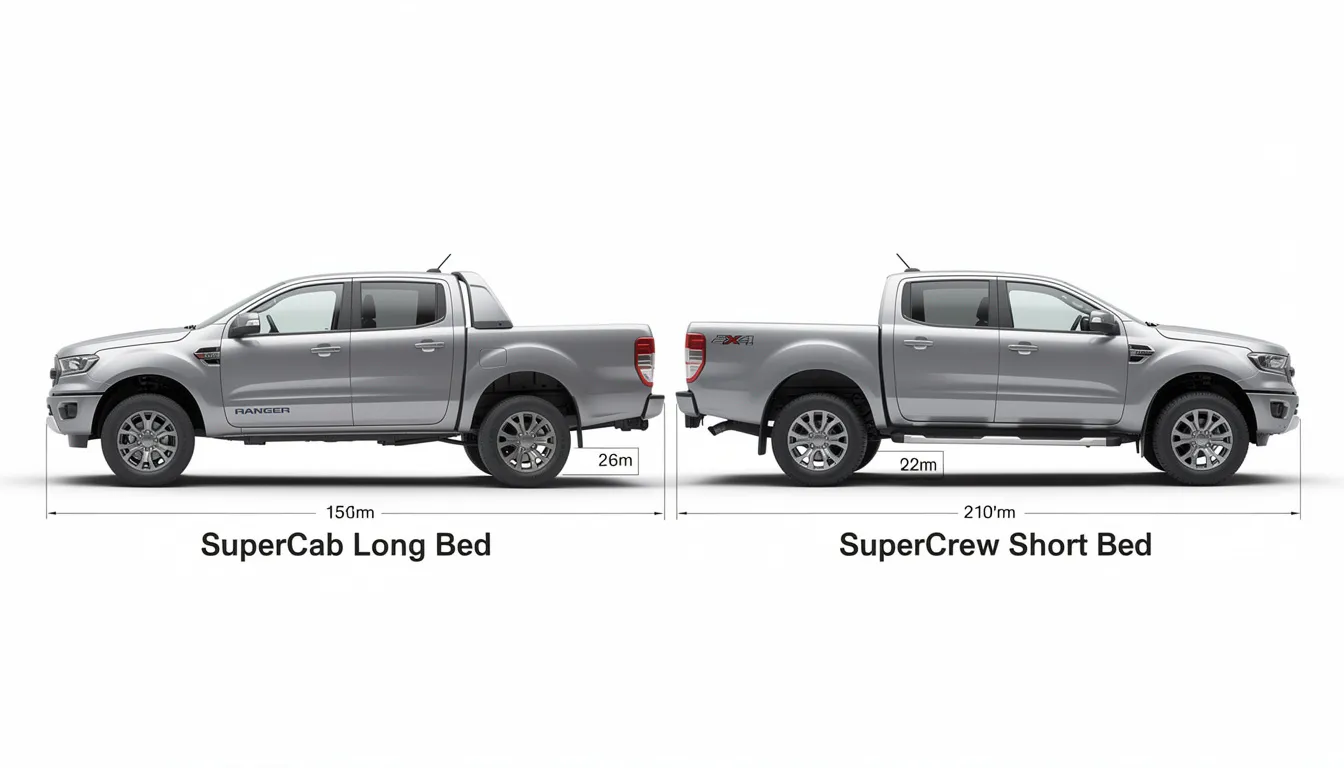
The Ford Ranger bed width between wheel wells of 48.2 inches enables one of the most practical capabilities in the midsize truck segment: transporting standard 4x8 plywood sheets flat with the tailgate closed. This capability eliminates the need for overhang flags or special transportation arrangements, making the ranger particularly valuable for contractors and DIY enthusiasts who regularly work with sheet materials.
The 59.6-inch bed length accommodates most standard construction materials, camping gear, and recreational equipment without requiring tailgate modifications. Items like lumber up to 8 feet in length can be transported with appropriate tie-down techniques, while the 20.9-inch bed depth provides sufficient height for stacked cargo without exceeding typical load securement requirements.
Towing and Payload Integration
The Ford Ranger offers maximum towing capacity up to 7,500 pounds when properly equipped with the available Trailer Tow Package. This capability, combined with the standardized 43.5 cubic feet of cargo space, creates versatile hauling options that accommodate both bed cargo and trailer loads simultaneously.
Payload ratings range from 1,818 to 1,860 pounds depending on configuration and options, providing substantial weight-carrying capability for tools, materials, and equipment. The bed floor’s position at 34.7 inches from the ground creates an optimal loading height that minimizes physical strain while maintaining practical ground clearance for off-road applications.
Recreational and Adventure Use
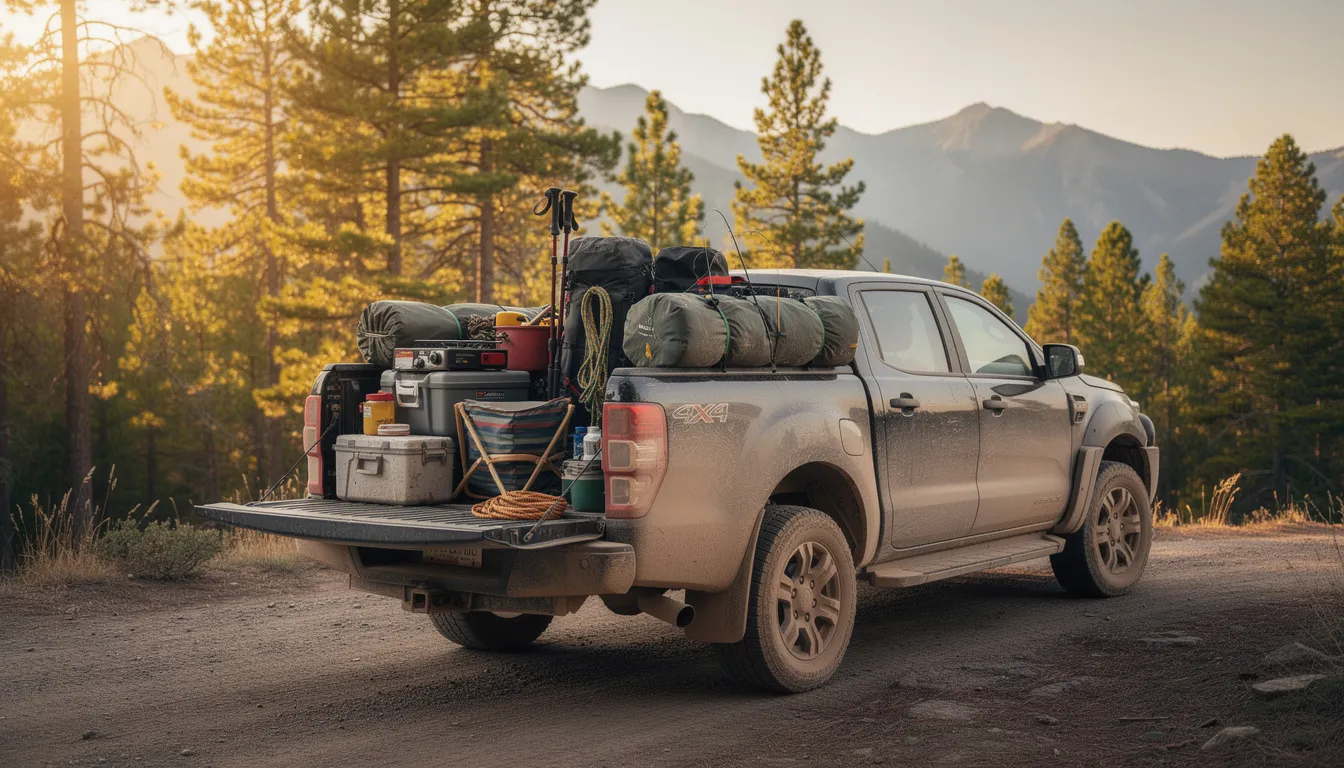
For weekend gear and recreational activities, the Ford Ranger bed dimensions accommodate motorcycles, mountain bikes, ATVs, and camping equipment with room to spare. The 48.2-inch width between wheel wells allows most motorcycles to fit securely, while the standardized dimensions support modular rack systems and storage solutions for overlanding and adventure applications.
The ample space provided by 43.5 cubic feet of cargo volume supports extended camping trips, sporting equipment transport, and seasonal gear storage. Zone lighting available on higher trim levels illuminates the bed perimeter for nighttime operations, enhancing the practical utility that the dimensional specifications provide.
Ford Ranger Bed Accessories and Customization
Ford offers an extensive range of accessories and customization options that enhance the utility and protection of the Ford Ranger bed across all model years.
Protection and Liner Options
Ford provides both spray-in and drop in bedliner options to protect the cargo box from damage during regular use. The spray-in bedliner creates a permanent, textured surface that provides excellent grip for cargo while protecting against scratches, dents, and corrosion. Drop in bedliners offer removable protection that can be easily cleaned or replaced as needed.
For users who prefer professional-grade protection, Ford’s spray-in bedliner includes coverage for the tailgate and cargo area sides, creating comprehensive protection that maintains the truck’s resale value. The textured surface helps prevent cargo from sliding during transport, improving both safety and load security.
Cargo Management Systems
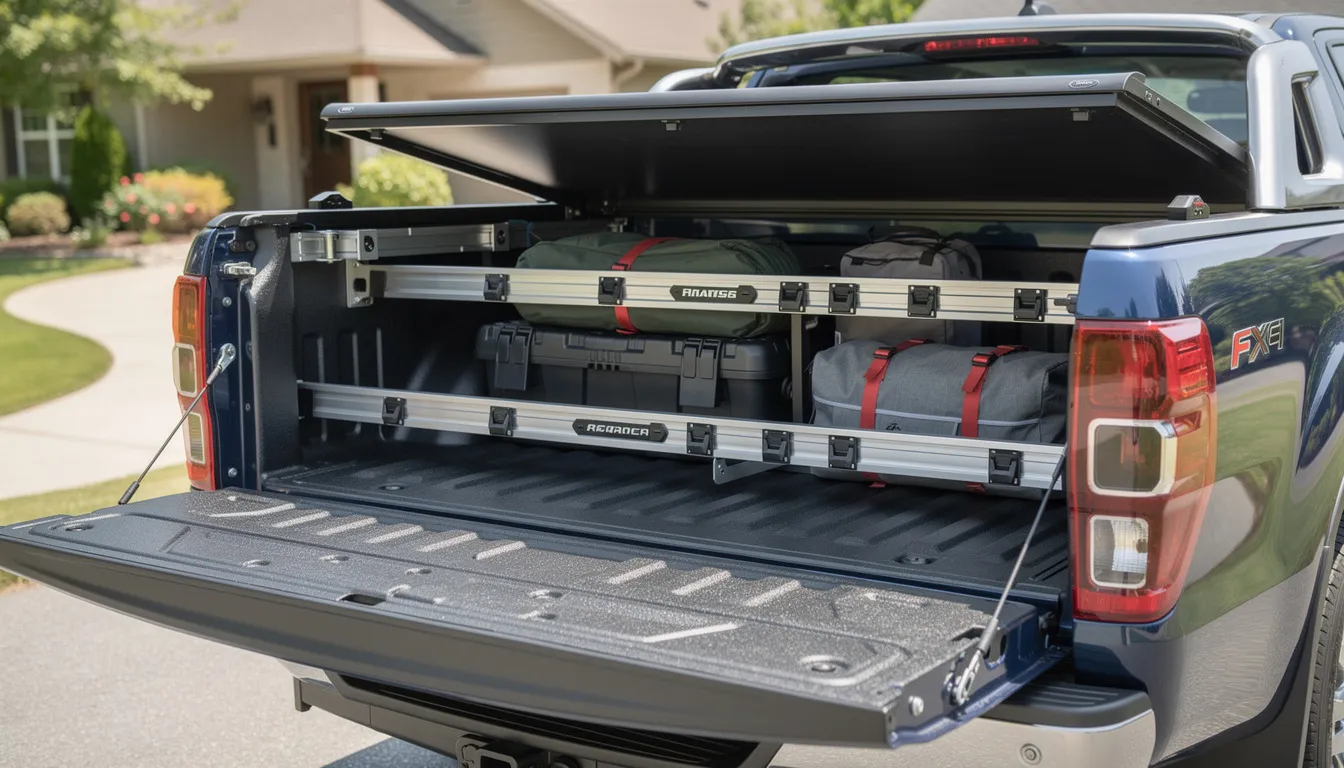
Ford’s cargo management rails provide the foundation for numerous organizational accessories that maximize the efficiency of the available cargo space. These rails accommodate various attachments including cargo nets, bed dividers, and tie-down points that can be positioned anywhere along the rail system.
Swing out storage boxes offer secure, lockable storage for tools and valuable equipment while maintaining access to the majority of the bed space. These accessories take advantage of the Ford Ranger bed width to provide organized storage solutions that don’t compromise cargo capacity.
Functional Enhancements
Bed extenders allow users to carry longer items while maintaining tailgate security, effectively extending the usable truck bed length beyond the standard 59.6 inches. These accessories fold flat when not in use and deploy quickly when needed for longer cargo items.
Tonneau covers provide weather protection and security for bed cargo while improving aerodynamics and fuel efficiency. Ford offers both soft and hard folding options that accommodate the standardized bed dimensions while providing varying levels of security and convenience.
The available 120V/400W power outlet enables users to power tools and electronic devices directly from the truck bed, eliminating the need for external power sources on job sites or during camping trips. This feature, combined with the practical bed dimensions, transforms the truck bed into a mobile workspace.
Choosing the Right Ranger Configuration
Selecting the optimal Ford Ranger configuration requires evaluating your specific needs against the available options, which vary significantly between current and previous model years.
2025 Model Decision Factors
With the 2025 Ford Ranger offering only a single bed configuration, your choice focuses primarily on trim level features rather than fundamental bed dimensions. The standardized 5-foot bed provides consistent cargo capabilities across all trim levels, from the work-focused XL through the adventure-ready Raptor.
Consider your typical hauling needs when evaluating the 43.5 cubic feet of cargo volume and 59.6-inch bed length. For users who regularly transport materials longer than 5 feet, the bed extender accessory becomes essential, while those prioritizing maximum cargo security may benefit from investing in a hard folding tonneau cover.
The uniform Ford Ranger bed measurements simplify accessory selection and ensure compatibility across all trim levels, making it easier to customize the truck for specific applications without worrying about dimensional variations.
Used Market Considerations for 2019-2024 Models
The used Ford Ranger market offers the choice between SuperCab and SuperCrew configurations that were eliminated in 2025. The SuperCab’s 6-foot bed provides 51.8 cubic feet of cargo volume compared to the SuperCrew’s 43.3 cubic feet, representing a significant advantage for users who prioritize maximum cargo capacity.
However, the SuperCrew configuration offers superior passenger accommodation with up to five people seating capacity and easier access through four full-size doors. The rear legroom in SuperCrew models accommodates adult passengers comfortably, making these variants better suited for family use or frequent passenger transport.
Work vs Recreational Use Scenarios
Professional contractors and trades workers may find the historical SuperCab’s longer bed more suitable for their needs, as the additional 8.2 inches of length accommodates longer materials and tools more effectively. The 51.8 cubic feet of volume provides substantial storage for equipment and supplies.
Recreational users and families typically benefit more from the SuperCrew configuration’s passenger space and convenience features. The shorter bed still accommodates most camping gear, sporting equipment, and weekend hauling needs while providing the flexibility to transport passengers comfortably.
Competitive Comparison
The Ford Ranger bed dimensions position it competitively within the midsize truck segment. The 48.2-inch width between wheel wells represents what Ford describes as a “rare feat” in this class, providing genuine advantages for material transport compared to competitors like the Toyota Tacoma and Chevrolet Colorado.
When comparing cargo volume, the current 43.5 cubic feet places the Ranger in the middle of the midsize segment, offering more capacity than some competitors while maintaining the maneuverability advantages that make midsize trucks popular in urban environments.
Future Model Year Expectations
Ford’s standardization strategy for the 2025 Ford Ranger suggests a continued focus on production efficiency and simplified model lineups. The elimination of multiple bed configurations reflects broader industry trends toward rationalized option packages and streamlined manufacturing processes.
The success of the single-configuration approach will likely determine whether Ford reintroduces bed size variety in future model years or maintains the current standardized strategy. Customer feedback and market response to the 43.5 cubic feet cargo volume will influence future product planning decisions.
Potential enhancements for future model years may focus on integrated technology features, improved cargo management systems, and advanced materials rather than dimensional changes. The foundation provided by the current bed dimensions supports various technological integrations that could enhance utility without requiring structural modifications.
Frequently Asked Questions
Can you get a Ford Ranger with an 8-foot bed like full-size trucks?
No, Ford has never offered an 8-foot bed option on the Ranger. The longest bed available was the 6-foot (72.8-inch) SuperCab configuration available through 2024. The 2025 model year only offers a 5-foot bed across all configurations. For an 8-foot bed, you would need to consider Ford’s full-size F-150 or larger trucks.
Will a motorcycle fit in a Ford Ranger bed with the tailgate up?
Most standard motorcycles will fit in the current Ford Ranger bed. The 48.2-inch width between wheel wells accommodates most motorcycle wheelbases, while the 59.6-inch bed length is sufficient for many sport bikes and smaller cruisers. Larger touring bikes or those with extended wheelbases may require the tailgate to be lowered and proper tie-down equipment.
How does the Ranger bed size compare to Toyota Tacoma and Chevy Colorado?
The Ford Ranger’s 48.2-inch width between wheel wells is notably wider than most competitors, allowing 4x8 plywood to fit flat. The 43.5 cubic feet of cargo volume places it competitively within the midsize segment. The Tacoma offers similar length options but typically narrower wheel well spacing, while the Colorado provides comparable dimensions but different cargo management features.
Are there any aftermarket bed extension options available?
Yes, several aftermarket companies offer bed extension solutions for the Ford Ranger, including slide-out cargo drawers, bed extenders that clamp to the tailgate, and modular rack systems that can extend beyond the bed rails. Ford also offers an OEM bed extender accessory that folds flat when not in use and extends the effective cargo length when deployed.
What’s the maximum width item that fits between the Ranger’s wheel wells?
The Ford Ranger’s wheel wells are spaced 48.2 inches apart, allowing items up to approximately 48 inches wide to fit between them. This is specifically designed to accommodate standard 4x8 building materials like plywood, drywall, and fencing panels. Items wider than 48 inches would need to rest on top of the wheel wells or extend beyond the bed sides.