
Toyota Tundra Bed Length Guide: Sizes, Dimensions & Cab Options
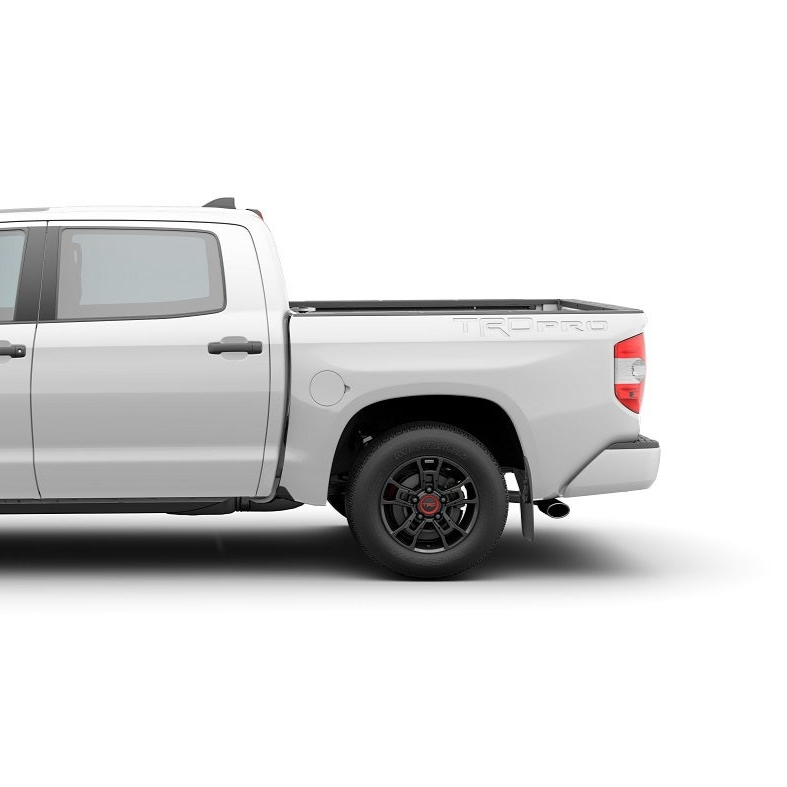
If you're shopping for a full-size pickup truck, one of the first decisions you'll face is choosing the right bed length. The Toyota Tundra offers three distinct bed sizes designed to match different lifestyles, work demands, and parking realities. Understanding the truck bed length Toyota Tundra configurations offer—and how these options connect to cab styles and real-world usability—can save you from buyer's remorse down the road.
The Tundra stands out in the full-size pickup segment with its blend of power, durability, and bold design. Among Toyota vehicles, the Tundra offers different cab styles to suit various needs: the Double Cab seating up to five passengers, and the larger crew cab (CrewMax) that delivers exceptional rear legroom for families and work crews. Each cab style pairs with specific bed lengths, giving you the flexibility to balance cargo capacity against passenger comfort.
When it comes to bed length options, you can choose from the compact 5.5-foot bed for urban maneuverability, the versatile 6.5-foot bed that balances cargo space with manageable overall length, or the expansive 8.1-foot bed for contractors who regularly haul full-length lumber and equipment. Whether you're parking this capable car in tight city spaces or loading it up at a job site, this guide breaks down everything you need to know about Toyota Tundra bed dimensions to help you determine which configuration suits your needs.
Quick Answer: Toyota Tundra Bed Lengths in 2024–2025
Modern Toyota Tundra trucks (2022–2025 model years) come with three bed lengths that cover the full spectrum from compact urban practicality to maximum hauling capacity.
- 5.5-foot short bed: Approximately 66 inches of floor length, typically paired with CrewMax cab
- 6.5-foot standard bed: Approximately 78 inches of floor length, available with both Double Cab and CrewMax (on select models)
- 8.1-foot long bed: Approximately 97 inches of floor length, paired exclusively with Double Cab
Overall truck length ranges from about 228.9 inches to over 252.5 inches depending on your cab and bed combination. The Tundra's wheelbase measures approximately 145.7 inches across configurations. Your bed length choice directly impacts hauling capacity, garage fit, and maneuverability. These dimensions have remained consistent across the 2022 through 2025 model years.
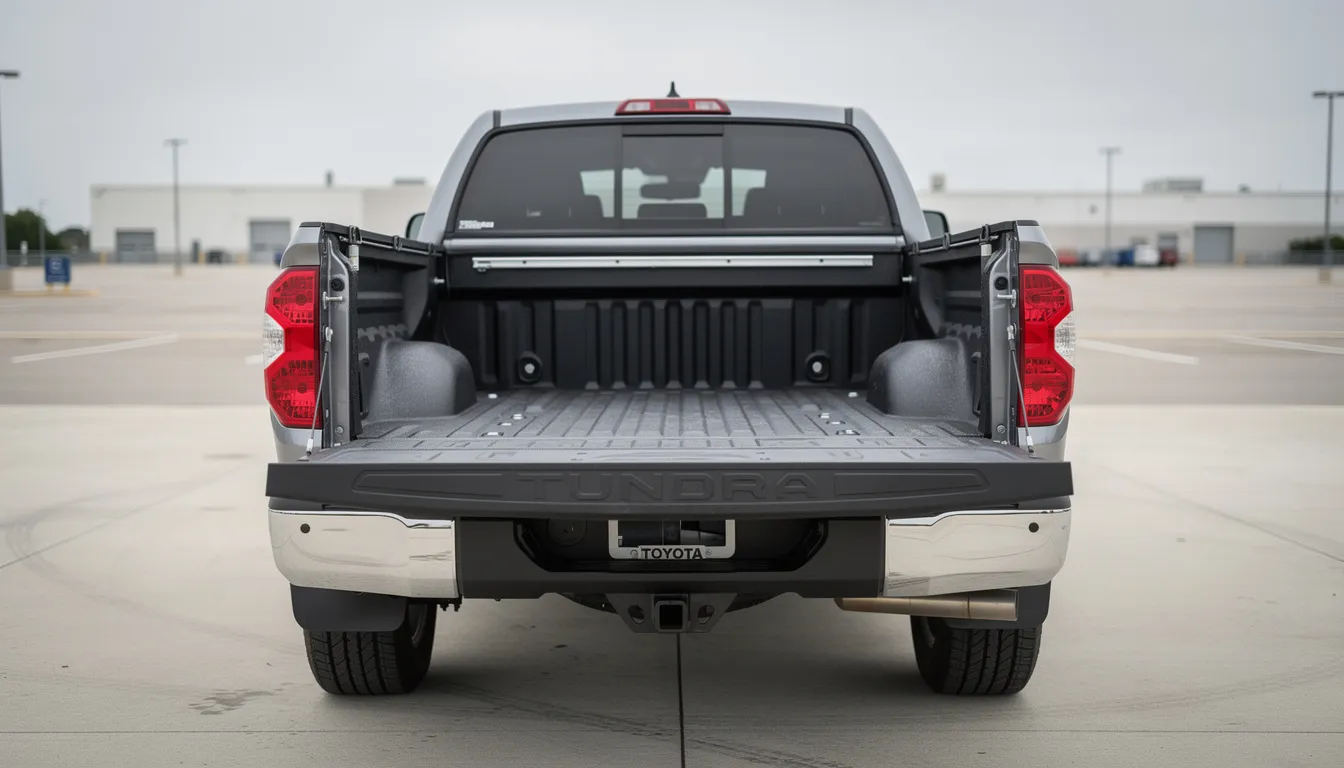
Overview of Toyota Tundra Bed Length Options
The Toyota Tundra offers three bed lengths designed for different hauling needs. With multiple cab styles available, Toyota gives buyers the flexibility to match their truck to actual cargo requirements rather than forcing a one-size-fits-all solution.
The short bed measures 5.5 feet with approximately 65.6 inches of floor length and roughly 55.5 cubic feet of cargo volume. This configuration works best for drivers who prioritize maneuverability and parking convenience while still needing weekend hauling capability for camping gear, bikes, and home improvement supplies. The Tundra's compact footprint in this configuration makes it easier to navigate tight parking lots and urban streets.
The standard bed gives you 6.5 feet of length at approximately 77.6 inches of floor space, with about 65.6 cubic feet of volume. Many Tundra buyers find this the sweet spot for versatile use, handling everything from DIY projects to recreational equipment without the parking challenges of the longest bed.
The long bed stretches to 8.1 feet with approximately 96.5 inches of usable floor length and roughly 81.6 cubic feet of cargo volume—nearly 50% more capacity than the short bed. Designed specifically for contractors and commercial users, this Tundra configuration excels at carrying full-length lumber, ladders, and equipment with the tailgate closed.
All current-generation Tundra beds feature aluminum-reinforced Sheet-Molded Composite (SMC) construction that resists dents, scratches, and corrosion better than traditional steel beds. The width between wheel wells measures approximately 48.5 to 48.7 inches across all bed sizes, which means a standard 4x8-foot sheet of plywood can lay flat between the wheel wells—a key advantage for contractors and DIY enthusiasts hauling building materials. Bed depth remains consistent at approximately 20.9 inches from floor to top of sidewall. Note that the license plate mounting location is typically positioned on the tailgate or rear bumper, which remains accessible regardless of bed length choice.
Toyota Tundra Cab Styles and Bed Length Combinations
The Tundra comes with two cab styles: Double Cab and CrewMax. Your cab choice determines which bed lengths are available, since Toyota designs specific pairings to maintain optimal wheelbase and vehicle proportions.
- The Double Cab features two full-size front doors plus two smaller rear-hinged rear doors, seating up to five passengers with 34.7 inches of rear legroom. The Double Cab pairs with either the 6.5-foot or 8.1-foot bed, making it the go-to choice for work-focused buyers who need maximum cargo length. If you regularly haul building materials or commercial gear, the Double Cab's bed length flexibility gives you options that CrewMax buyers don't have.
- The CrewMax configuration features four full-size doors with an impressive 41.6 inches of rear legroom that rivals many full-size SUVs. This is the most popular choice for families and drivers who regularly carry adult passengers. The CrewMax typically pairs with the 5.5-foot bed, though a 6.5-foot bed has become available on select trims like the Platinum and 1794 Edition. The trade-off is straightforward: you gain nearly seven inches of rear legroom but give up access to the longest bed option.
Larger cabs reduce the maximum available bed length because Toyota maintains consistent overall length limits. This is why you won't find a CrewMax with the 8.1-foot long bed. When evaluating your truck bed length Toyota Tundra decision, remember that choosing CrewMax means accepting a shorter maximum bed, while Double Cab opens up longer bed options at the cost of rear passenger space.
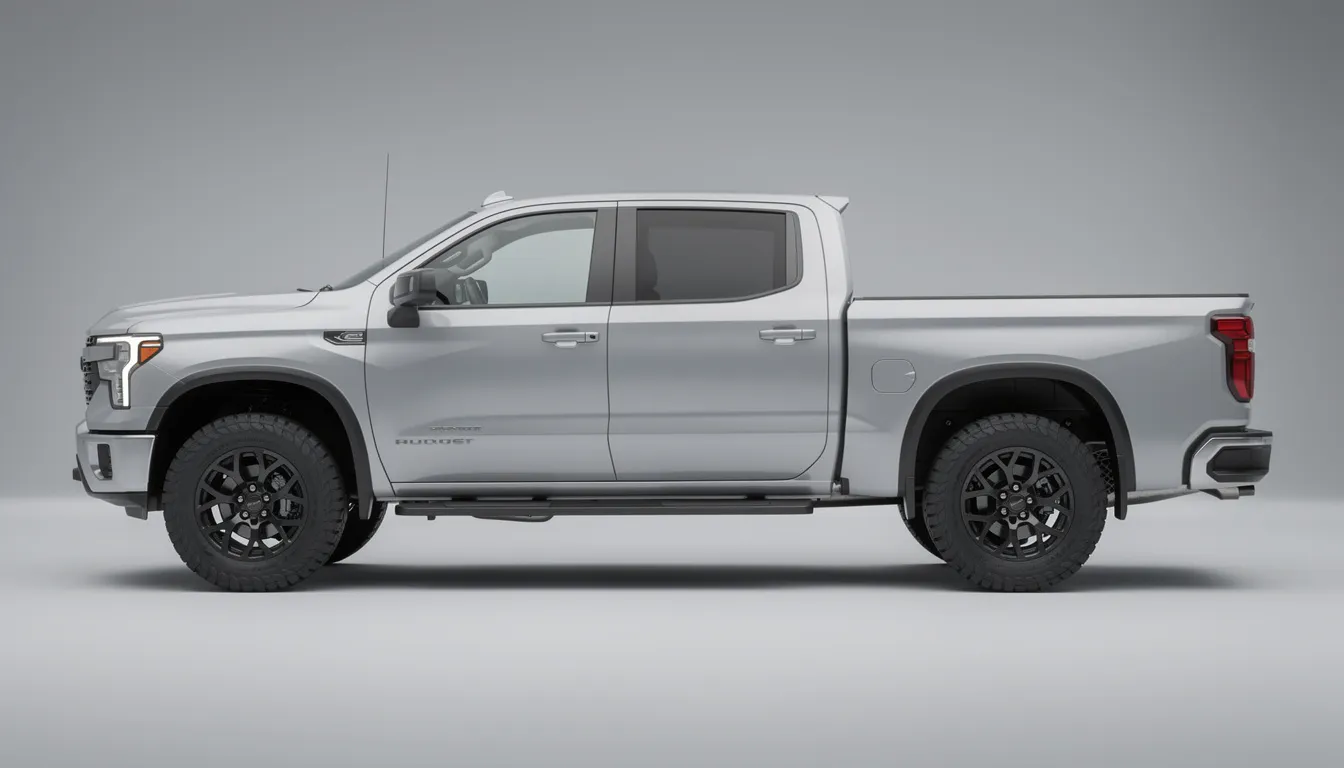
Detailed Toyota Tundra Bed Length Dimensions
Here are the exact measurements that matter when evaluating Tundra bed size options for hauling specific items like sheet goods, motorcycles, or building materials.
Inside bed lengths break down as follows: the 5.5-foot bed measures approximately 65.6 inches, the 6.5-foot bed measures approximately 77.6 inches, and the 8.1-foot bed measures approximately 96.5 inches. These measurements represent usable floor space from the front of the bed to the inside of the closed tailgate.
The width between wheel wells stays consistent at approximately 48.5 to 48.7 inches across all bed sizes, allowing standard 4x8-foot sheets to lay flat. The bed width at top rails measures approximately 58.7 inches, giving you additional room to load wider items above the wheel wells. Cargo volumes vary significantly: approximately 55.5 cubic feet for the 5.5-foot bed, 65.6 cubic feet for the 6.5-foot bed, and 81.6 cubic feet for the 8.1-foot bed.
Toyota Tundra Bed Length Comparison
|
Bed Length |
Floor Length (in) |
Width Between Wells (in) |
Cargo Volume (cu ft) |
Best For |
|---|---|---|---|---|
|
5.5 ft |
65.6 |
48.7 |
~55.5 |
Urban driving, families, weekend hauling |
|
6.5 ft |
77.6 |
48.7 |
~65.6 |
Versatile use, DIY projects, medium loads |
|
8.1 ft |
96.5 |
48.7 |
~81.6 |
Contractors, long lumber, commercial work |
Long Bed Options: 6.5-Foot vs 8.1-Foot Configurations
For drivers who need substantial cargo space, the Toyota Tundra's long bed options provide the capacity to handle demanding tasks. Understanding the differences between the 6.5-foot and 8.1-foot beds helps you choose the right configuration for your specific needs.
The 6.5-foot bed offers a balanced solution, providing ample cargo space without making the truck too long for everyday driving or parking. This middle-ground option is popular among Tundra owners who want the flexibility to carry longer items while still enjoying a manageable overall vehicle length. Whether you're heading out on a family adventure or tackling weekend projects, the 6.5-foot bed handles most recreational and light commercial hauling tasks with ease.
The 8.1-foot bed is the ultimate choice for those who regularly haul oversized loads. This longest configuration allows you to transport full-length construction materials, ladders, or large equipment with the tailgate closed, improving load security and reducing highway hazards from overhanging cargo. Perfect for heavy-duty jobs and commercial applications, the 8.1-foot bed gives you the space and capability to haul whatever you need for demanding work environments.
Toyota Tundra Bed Lengths by Trim Level
The 2024–2025 Tundra lineup spans seven trim levels from the work-ready SR to the luxury-focused Capstone. Various trims offer different bed and cab combinations, so understanding available configurations helps narrow your search.
The SR and SR5 trims serve as the work-oriented foundation, typically offering Double Cab with 6.5-foot or 8.1-foot beds. These configurations are ideal for contractors and fleet buyers who prioritize hauling over cabin luxury, offering the best value per cubic foot of cargo space.
The Limited trim commonly pairs the CrewMax cab with the 5.5-foot bed, though 6.5-foot CrewMax options are available. The Limited balances comfort features with solid utility, adding premium materials and advanced tech, including the Pre-Collision System for enhanced safety, without abandoning working capability.
Premium trims—Platinum, 1794 Edition, TRD Pro, and Capstone—typically come with CrewMax cabs and the 5.5-foot short bed. The 6.5-foot bed may be available on select models like Platinum and 1794 Edition, but it's not universal. These configurations prioritize passenger comfort and luxury amenities for buyers who use their truck primarily for family transportation with occasional hauling. The TRD Pro stands out with specialized off-road suspension tuning and aggressive styling that appeals to adventure-focused drivers.
The TRD Off-Road and TRD Sport packages appear on SR5 and Limited trims, maintaining base cab and bed pairings while adding suspension upgrades and appearance enhancements. Exact cab and bed combinations can vary by model year, so confirm your desired configuration with a dealer before ordering.
How Bed Length Affects Toyota Tundra Payload, Towing & Garage Fit
Bed length affects more than cargo space. Your choice impacts payload capacity, weight distribution, towing capability, and whether the truck fits in your garage.
Cab weight plays a significant role in payload capacity. Heavier CrewMax cabs slightly reduce payload compared to lighter Double Cab models. For example, an SR5 Double Cab with 6.5-foot bed may carry around 1,940 pounds, while an SR5 CrewMax with 5.5-foot bed may be rated closer to 1,820 pounds. Payload ranges from approximately 1,600 pounds on TRD Pro CrewMax models to over 1,900 pounds on SR and SR5 Double Cab trucks.
When it comes to towing, the Tundra delivers impressive capability across configurations. Maximum towing capacity often exceeds 11,000 pounds on hybrid-equipped models. The 6.5-foot bed configuration reaches a maximum towing capacity of 12,000 pounds when properly equipped, while the longer 8.1-foot bed may see slightly reduced ratings due to increased vehicle weight. Towing capability ties more closely to engine choice, axle ratio, and tow packages than bed length alone, though heavier configurations can marginally reduce towing headroom.
Overall vehicle length varies considerably based on your bed choice, ranging from roughly 228.9 inches for shorter CrewMax setups to over 252 inches for Double Cab trucks with the 8.1-foot bed. Many standard home garages measure only 20 feet (240 inches) deep, which means the longest Tundra configurations won't fit with the garage door closed.
Before committing to the 8.1-foot long bed, measure your garage depth and consider parking challenges. Drivers in dense city environments often find shorter configurations significantly easier to live with daily. Parallel parking, drive-throughs, and crowded parking lots all become more challenging as overall length increases. Additionally, some parking structures have license plate readers and clearance restrictions that make maneuvering longer trucks more difficult.
Common Uses for Each Toyota Tundra Bed Length
Matching your activities to the right Tundra bed size prevents overspending on space you don't need or regretting a bed that's too short for your typical loads.
- The 5.5-foot bed is recommended for drivers who prioritize daily commuting, family trips, and urban parking. This shortest option still provides ample room for bikes, camping equipment, coolers, and home improvement supplies. It works best when you occasionally haul but don't need maximum cargo length regularly. For families using this Tundra configuration as a primary car with hauling as a secondary function, this setup delivers the best balance.
- The 6.5-foot bed represents the versatile middle ground for weekend warriors, tradespeople, and outdoor enthusiasts. This bed fits tools, coolers, kayaks (with tailgate down), and medium-length lumber without the maneuverability penalty of the longest bed. Most DIY and recreational hauling needs fall comfortably within this bed's capabilities, from deck projects to landscaping supplies to ATVs.
- The 8.1-foot bed is built specifically for contractors, landscapers, ranchers, and anyone who regularly hauls full-length lumber, ladders, long pipes, or oversized equipment. This longest option allows 8-foot materials to ride with the tailgate closed, improving load security and reducing highway hazards. Commercial users and serious DIY builders who frequently visit lumber yards will appreciate having this extra capacity daily.
Real-world scenarios help illustrate these differences: A family loading camping gear and bikes fits comfortably in a 5.5-foot bed. A contractor carrying 10-foot PVC pipes prefers the 8.1-foot bed to avoid dangerous overhang. An overlander with a rooftop tent often finds the 6.5-foot bed hits the sweet spot between capacity and maneuverability.
Notable Toyota Tundra Bed Features & Technology
Bed features enhance usability across all bed length options. Many late-model Tundras include a damped tailgate that lowers slowly and smoothly instead of slamming down, protecting both the tailgate and your fingers.
Available 120V AC outlets (up to 400W) in the bed let you run power tools, charge equipment, or plug in camping accessories without a separate generator. This transforms your truck bed into a mobile power station, perfect for job sites without electricity or remote camping.
LED bed lighting illuminates the cargo area for night loading, activating automatically when you open the tailgate. The composite bed construction resists dents, scratches, and rust better than traditional steel beds, reducing long-term maintenance costs and preserving resale value.
The deck rail system provides adjustable cleats that let you secure cargo of various sizes without drilling custom anchor points. On higher trims, an available bed camera displays the bed area and trailer connection on the center touchscreen, taking the guesswork out of hitching.
Choosing the Right Truck Bed Length Toyota Tundra Configuration
Selecting the ideal Tundra means weighing cargo requirements, passenger comfort, budget, and practical constraints like parking and garage access.
For frequent haulers of building materials or commercial gear, lean toward the 6.5-foot or 8.1-foot beds with Double Cab setups that maximize payload and cargo length. For family-focused buyers, consider CrewMax cabs with the 5.5-foot or 6.5-foot bed to prioritize rear legroom while retaining meaningful cargo capability. For tight parking or shorter garages, check overall length specs carefully—5.5-foot CrewMax configurations stay under 234 inches, while 8.1-foot Double Cabs exceed 252 inches.
If the Tundra feels too large, compare the Toyota Tacoma, which offers 5-foot and 6-foot bed options with a smaller overall footprint. The Tacoma remains highly capable in the midsize segment and may suit buyers who find full-size dimensions challenging for daily use.
For context, the Ford F-150 offers similar bed lengths (5.5, 6.5, and 8-foot), while the Ram 1500 provides 5'7", 6'4", and 8-foot beds. The Chevy Silverado offers 5'8", 6'6", and 8'2" configurations. The Tundra's bed length options align with industry standards, with the advantage of composite bed construction that many competitors charge extra for.
The bottom line: There is a truck bed length Toyota Tundra configuration suitable for nearly every use case. The key is honestly assessing your most common hauling needs and living situation before making your final decision.
Frequently Asked Questions About Toyota Tundra Bed Length
What is the most popular Tundra bed length?
The 6.5-foot standard bed tends to be most popular because it offers the best balance between cargo capacity and overall vehicle length, handling most recreational and light commercial hauling while keeping the truck at a manageable size for daily driving.
Can I fit a 4x8 sheet of plywood in a Tundra bed?
Yes, a standard 4x8-foot sheet of plywood will lay flat between the wheel wells in any Tundra bed length. The width between wheel wells measures approximately 48.5 to 48.7 inches. However, the plywood will extend past the tailgate in the 5.5-foot bed, so you'll need to lower the tailgate or secure the load appropriately.
Does bed length affect gas mileage?
Bed length has minimal direct impact on fuel economy. Overall vehicle weight increases slightly with longer beds, but the difference between a 5.5-foot and 8.1-foot bed typically amounts to less than 1 MPG. Cab choice, trim level, and driving habits have more significant effects on fuel economy.
Can I get a CrewMax with an 8.1-foot bed?
No, Toyota does not offer the CrewMax cab with the 8.1-foot long bed. The longest bed available with CrewMax is 6.5 feet on select trim levels. The 8.1-foot bed pairs exclusively with the Double Cab configuration because combining the largest cab with the longest bed would create an unwieldy vehicle.
Experience Different Tundra Configurations in Person
Research gets you most of the way, but hands-on experience is essential. Visit your local Toyota dealer to see, touch, and compare configurations. Walk around Tundras with different bed lengths to understand how dimensions translate to real-world space. If possible, load sample items like coolers or lumber to see how your typical cargo fits.
Confirm current model-year pairings in writing, verifying which cab and bed combinations are available for your target trim along with exact payload and towing ratings. Bring your garage measurements to check whether your planned Tundra will fit comfortably with the door closed.
Compare at least two trims to understand how equipment and pricing change across the lineup. Request a test drive on varied roads—city streets, highway, and unpaved sections if possible—to understand how different wheelbases affect maneuverability and ride quality.
Conclusion
The Toyota Tundra delivers exceptional versatility with its range of bed length options, cab styles, and trim levels, making it straightforward to find a configuration that matches your specific needs. Whether you prioritize the urban-friendly 5.5-foot bed, the well-balanced 6.5-foot bed, or the contractor-ready 8.1-foot bed, the Tundra offers the cargo capacity and capability to handle both heavy-duty work and family adventures.
With the right combination of cab style, bed length, and trim level, finding the ideal truck bed length Toyota Tundra configuration becomes a matter of matching your priorities to the available options. Take your time evaluating your most common hauling requirements, verify the specs that matter most for your situation, and choose a truck that fits your life—not the other way around.