What Is Overlanding? Everything You Need to Know Before Your First Trip
Quick Answer
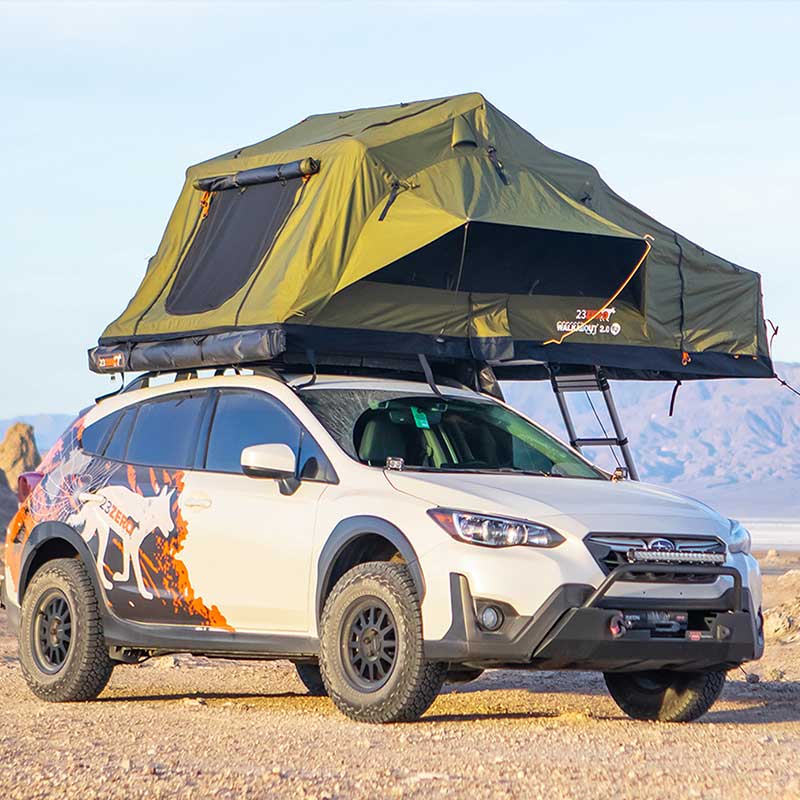
Overlanding is self-reliant, vehicle-based travel where the journey itself is the point. You drive to remote places, mostly on dirt and gravel roads, and you carry everything you need to sleep, cook, and handle problems on your own for days at a time. Unlike off-roading, the goal isn't to conquer hard obstacles. Unlike campground camping, you're not tied to one spot with hookups. An overland vehicle can be anything reliable with decent ground clearance, from a Subaru Outback to a Toyota Tacoma, set up with a sleep system (like a roof top tent), storage, a camp kitchen, water, power, and basic recovery gear.
So, what is overlanding, really? Ask ten people at a trailhead and you'll get ten answers, usually followed by an argument about whether a Subaru counts. Here's ours: overlanding is packing your vehicle with everything you need, pointing it somewhere remote, and making the drive and the nights in between the whole adventure. No hotel bookings. No campground reservations. Just you, your rig, and a dirt road that keeps going.
We've been helping people build their first overland setups since 2016, and the same questions come up every time. Do I need a 4x4? Is it the same as off-roading? How much does it actually cost to get started? This guide answers all of it in plain language, so by the end you'll know exactly what overlanding is, whether it's for you, and what your first step should be.
📞 New to overlanding? Call us at 844-200-3979. Tell us what you drive and how you want to travel, and we'll help you figure out what you actually need (and what you can skip for now).
📋 Quick Navigation
What Overlanding Actually Means
Overlanding is defined by three things: self-reliance, remote travel, and the journey as the destination. Take away any one of them and it becomes something else. A weekend at a developed campground with a fire ring and a water spigot is car camping. A day spent crawling up a rock garden and driving home for dinner is off-roading. Overlanding sits in between: you're covering ground, you're sleeping out, and you're prepared to solve your own problems when there's no cell signal and no tow truck.
The word itself comes from Australia, where "overlanders" were the drovers who moved livestock across enormous stretches of the outback. The modern version swapped cattle for four-wheel drives, but the spirit stuck: long distances, rough country, and carrying what you need to get through it.
Here's the part that surprises most beginners. Overlanding is not about extreme terrain. Most overland routes in the US are maintained forest roads, BLM two-tracks, and gravel byways that a stock SUV can handle in good weather. The challenge isn't the driving. It's the logistics: water, fuel, food, sleep, and knowing what to do when something goes sideways 60 miles from pavement.
Overlanding vs Off-Roading vs Car Camping
These three overlap, and plenty of trips mix all of them. But the core goal of each is different, and that difference shapes the gear you'll want.
| Factor | Overlanding | Off-Roading | Car Camping |
|---|---|---|---|
| Main goal | Travel to remote places over days | Tackle difficult terrain | Enjoy a campsite near your car |
| Typical terrain | Forest roads, gravel, two-track, some rough sections | Rocks, mud, steep climbs, technical trails | Paved or graded roads to a campground |
| Trip length | Usually 2+ days, often weeks | Often a single day | A night or a weekend |
| Where you sleep | Dispersed camping, wherever the route takes you | Usually at home or a base camp | Developed campgrounds |
| Self-reliance | High: food, water, fuel, power, recovery | Medium: recovery and spares | Low: water, toilets, often power on site |
| Vehicle mods | Sleep, storage, power, light protection | Lift, tires, lockers, armor | None needed |
The easiest way to think about overlanding vs off-roading: off-roaders measure a good day by the obstacles they cleared. Overlanders measure it by where they woke up. That's why an overland build focuses on living out of the vehicle comfortably, while an off-road build focuses on getting the vehicle through hard stuff.

A typical overland setup: a roof top tent on a midsize truck, ready to camp wherever the road ends for the day
What an Overlanding Trip Looks Like
If you've never done it, here's a realistic day on a three-day overland trip.
Morning: You wake up in your roof top tent to a view no hotel can match. Coffee on the tailgate stove, breakfast out of the fridge, and the tent folds away in a few minutes. You top off the water jugs, check tire pressures, and take a quick walk around the rig looking for anything loose.
Midday: You drive. Not fast. On dirt roads you'll average somewhere around 10 to 25 mph, so 80 to 100 miles makes a full day once you add photo stops, a wrong turn, and lunch at a viewpoint. You might air down for a sandy wash, cross a shallow creek, or pull over to let a rancher's truck by.
Evening: You start looking for camp an hour or two before sunset, ideally a spot someone has used before so you're not creating a new scar on the land. Awning out, chairs out, dinner on. Then a long night under more stars than you knew existed.
That's it. It sounds simple because it is. The gear just makes each of those steps easier, safer, and more comfortable.
What Is an Overland Vehicle?
An overland vehicle is any vehicle you can trust to carry you, your gear, and your supplies to remote places and back. That's the whole definition. There's no badge, lift height, or tire size that makes a rig "real."
That said, a few traits make life a lot easier on the trail:
Reliability first. A vehicle with a reputation for not breaking, plus parts you can find in small towns, beats a fancier rig that strands you. This is a big reason Toyota Tacomas, 4Runners, and Land Cruisers are so popular with overlanders.
Ground clearance. Around 8 inches or more handles most forest roads and two-tracks. Many stock SUVs and crossovers, including the Subaru Outback and Forester, sit right in that range.
AWD or 4WD. All-wheel drive is fine for graded dirt and gravel. Four-wheel drive with low range gives you more margin on steep, loose, or muddy sections. Plenty of people start with what they already own and upgrade later.
Payload capacity. This is the one people forget. Water, fuel, a fridge, a roof top tent, a rack, recovery gear, and two adults add up fast. Check your door jamb sticker for payload before you start buying, and see our guide to roof top tent weight limits if you're planning to sleep on the roof.
The most common overland vehicles we see are midsize trucks (Tacoma, Ranger, Colorado, Gladiator, Frontier), body-on-frame SUVs (4Runner, Wrangler, Bronco, Lexus GX), full-size trucks (F-150, Tundra, Ram), and capable crossovers (Outback, Crosstrek, RAV4). If you're choosing a truck specifically, our guide to getting the right overland truck goes deeper.
Start with what you have. The best overland vehicle for your first trip is almost always the one already in your driveway. Take it on a few easy routes, see what you actually miss, and let real trips drive your upgrades.
The Core Overland Gear
Every overland setup solves the same six problems. How much you spend on each depends on how often and how far you go, but you need an answer for all of them before your first remote trip.
1. A Place to Sleep
This is the heart of any overland setup. A roof top tent is the most popular choice because it sets up in minutes, keeps you off wet or rocky ground, and leaves your cargo area free. Softshell tents fold out and give you more floor space for the money. Hardshell tents pop up even faster and handle wind better. Our beginner's roof top tent buying guide walks through the choice. Truck owners can also sleep in the bed under a camper shell, and plenty of people start with a ground tent and a good sleeping pad.
2. A Way to Carry It All
A roof rack or bed rack carries the tent, recovery boards, and bulky gear up and out of the way. Inside, drawer systems and storage boxes stop everything from turning into a pile by day two. Rule of thumb: heavy items low and centered, light and bulky items up top.
3. A Kitchen and Water
A two-burner stove, a few pots, and a cooler will feed you on a weekend trip. For longer trips, a 12V fridge is the upgrade overlanders talk about most, because it ends the daily ice run and soggy food. Plan on carrying at least one gallon of water per person per day for drinking and cooking, plus extra for cleanup. Browse our camp kitchen and fridges and coolers collections to see what's out there.
4. Power
Phones, GPS, headlamps, and especially a fridge all need charging. A portable power station is the simplest starting point. A dual battery system wired into the vehicle is the more permanent setup for people who travel often. Either way, a small solar panel helps you stay put for more than a night or two.
5. Recovery and Navigation
At minimum, carry a tire repair kit, an air compressor, a shovel, traction boards, and a proper recovery strap with rated shackles. Download offline maps before you lose signal and carry a paper backup. If you're heading somewhere truly remote, a satellite messenger lets you call for help without cell coverage. Our off-road recovery gear guide covers what to buy first.
6. Shade and Shelter
An awning turns the side of your vehicle into a living room. It keeps the sun off at lunch and the rain off at dinner, and it deploys in a couple of minutes. It's not essential for trip one, but it's one of the most-loved upgrades once people start camping regularly. Our car awning guide explains the options.
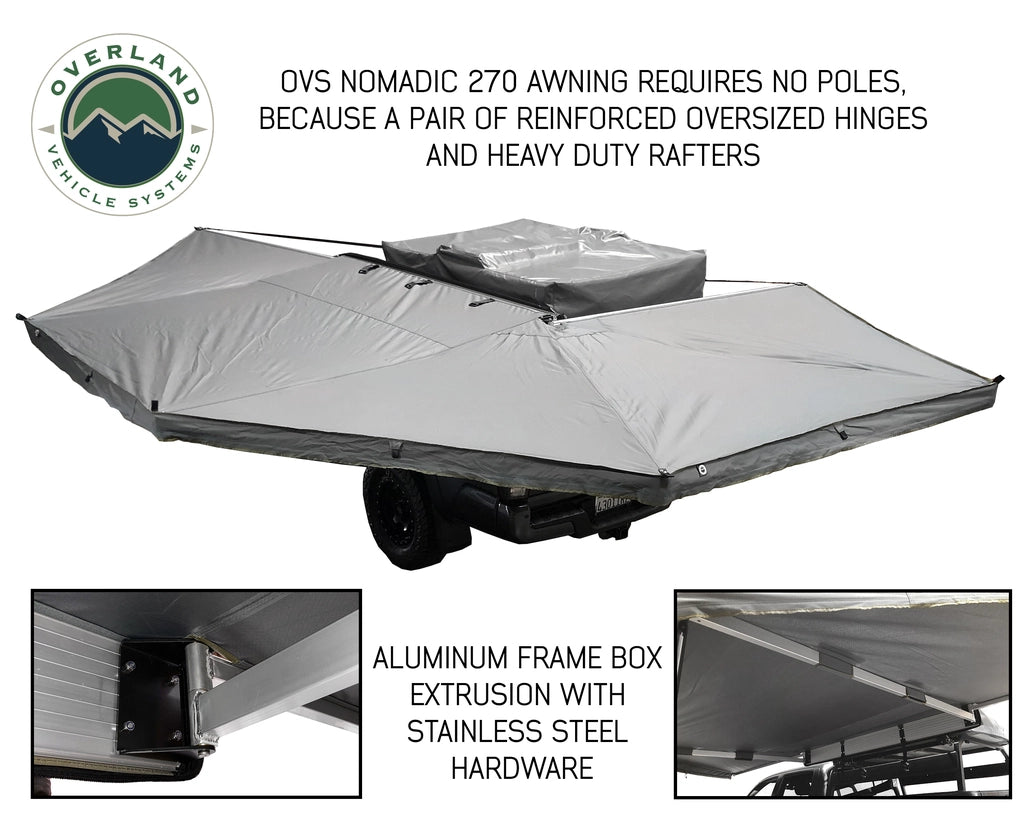
An awning adds shade and rain cover to your camp in a couple of minutes
How Much Does Overlanding Cost?
You can go overlanding this weekend for close to nothing if you already own a capable vehicle and basic camping gear. You can also spend more than the vehicle is worth. Most people land somewhere in between and build up over a few seasons.
These are rough ranges for the gear itself, not including the vehicle, based on typical retail prices for each category. Your numbers will vary with brand, vehicle, and how much you already own.
| Stage | What it usually includes | Rough gear budget | Good for |
|---|---|---|---|
| Starter | Ground tent or sleeping in the vehicle, cooler, camp stove, water jugs, basic recovery kit, offline maps | Under $1,000 | Weekend trips on easy forest roads |
| Weekend Warrior | Softshell roof top tent, rack or crossbars, side awning, portable power station, traction boards | $3,000 to $6,000 | Regular 2 to 4 day trips |
| Full Build | Hardshell tent, platform or bed rack, 270 awning, 12V fridge, dual battery or solar, drawers, armor, all-terrain tires | $10,000 and up | Week-long and remote trips |
Running costs are mostly fuel and food. Dispersed camping on most national forest and BLM land is free, which is one of the best parts of overlanding compared with paying for campgrounds every night.
Our honest advice: don't buy the full build before your first trip. Spend money in this order: something to sleep in, a way to keep food cold, recovery basics, then everything else. Your first few trips will tell you exactly what's worth upgrading.
How to Start Overlanding
Overlanding for beginners comes down to starting small and close to home. Here's the path we recommend to almost everyone who calls us.
1. Do one overnight within a few hours of home. Pick a maintained forest road that ends near a known dispersed camping area. The goal is to test your sleep setup and kitchen, not to find adventure.
2. Learn the rules of where you camp. Check the Motor Vehicle Use Map for the national forest or the local BLM field office before you go. Fire restrictions and road closures change by season, and a two-minute call to the ranger station beats a ticket.
3. Learn to air down and air up. Lowering tire pressure on dirt and sand improves traction and ride comfort dramatically. A portable compressor lets you air back up before pavement.
4. Go with a friend's vehicle. A second rig is the best recovery gear there is. Two vehicles turn most "we're stuck" moments into a 10-minute story.
5. Stretch it out gradually. Once a single night feels easy, try two or three nights and a longer route. When you're ready to plan something bigger, our guide on how to plan an overlanding trip without getting overwhelmed lays out the whole process.
Common Beginner Mistakes
Planning too many miles. Highway math doesn't work on dirt. A 150-mile day on gravel and two-track is exhausting. Plan half of what you think you can do.
Overloading the vehicle. It's easy to exceed payload without noticing. An overloaded rig handles worse, wears out suspension faster, and is harder to recover when it gets stuck.
Skipping the test run. Set up your tent, awning, and kitchen in the driveway before the trip. Figuring out a new tent in the dark and rain is a rite of passage nobody enjoys.
Running out of water before fuel. Everyone watches the fuel gauge. Fewer people track water. Carry more than you think you need.
Leaving a trace. Use existing campsites, pack out everything (including human waste where required), and keep fires small and fully out. Overland routes stay open because people treat them well.
Always leave a plan with someone at home. Share your route, your expected camp areas, and a "call for help if you haven't heard from me by" time. It costs nothing and matters most when nothing else works.
Frequently Asked Questions
Is overlanding the same as off-roading?
No. Off-roading focuses on driving difficult terrain, often in a single day. Overlanding focuses on self-reliant travel to remote places over multiple days, camping along the way. Most overland routes are easier to drive than off-road trails, but they demand more planning for water, fuel, food, and sleep.
Do you need a 4x4 to go overlanding?
Not to get started. An AWD crossover or SUV with decent ground clearance can handle most graded forest roads and gravel byways in dry weather. A 4x4 with low range gives you more margin on steep, muddy, or sandy routes, so it becomes more useful as your trips get more remote.
Where can you camp when overlanding?
Most US overlanders use dispersed camping on national forest and BLM land, which is generally free and allows camping outside developed campgrounds. Stay limits commonly run around 14 days, and rules vary by area, so check the local ranger district or BLM field office and the Motor Vehicle Use Map before you go.
How much does it cost to start overlanding?
If you already own a capable vehicle and basic camping gear, you can start for under $1,000 with a cooler, stove, water jugs, and a basic recovery kit. A comfortable weekend setup with a softshell roof top tent, rack, and awning typically runs $3,000 to $6,000. A full long-distance build can go well past $10,000.
Is overlanding safe for beginners?
Yes, if you start small. Pick easy routes close to home, travel with a second vehicle when you can, carry extra water and basic recovery gear, download offline maps, and leave your plans with someone at home. A satellite messenger adds a reliable way to call for help where there's no cell signal.
Related Guides
📖 How to Plan an Overlanding Trip
A simple five-step system for choosing a region, routes, and camps without getting overwhelmed.
📖 Roof Top Tent Buying Guide
Everything a first-time buyer needs to know to pick the right tent for their vehicle.
📖 Getting the Right Overland Truck
How to choose and build a truck that can carry you and your gear anywhere.
📖 Off-Road Recovery Gear
The recovery gear to carry first, and how to use it safely when you get stuck.
Ready to Build Your First Overland Setup?
Tell us what you drive and where you want to go. We'll help you pick the right tent, rack, and gear to get you out there, and tell you what can wait.
📞 844-200-3979 | Free Shipping | Expert Fitment Advice