
Rooftop Cargo Carrier
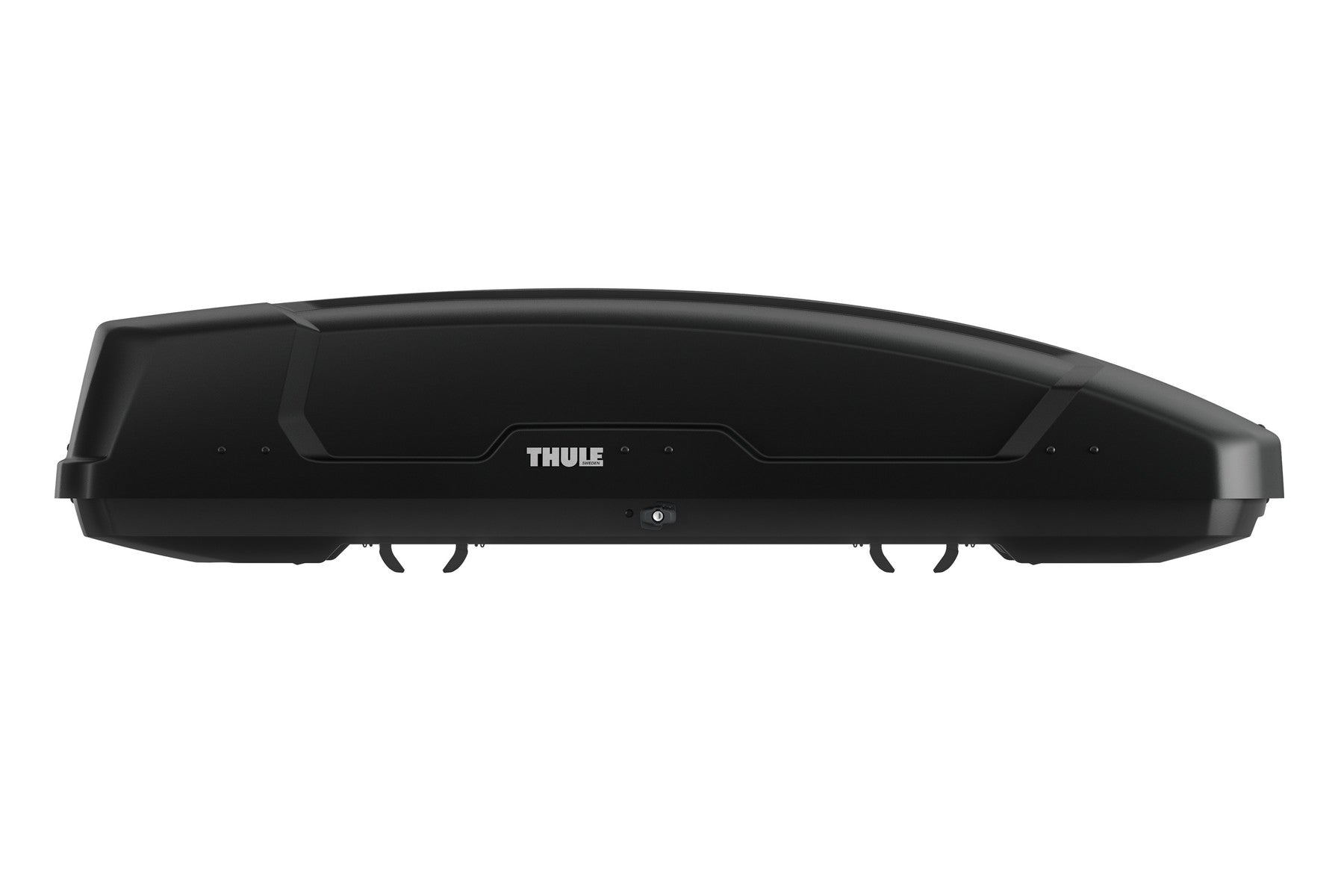
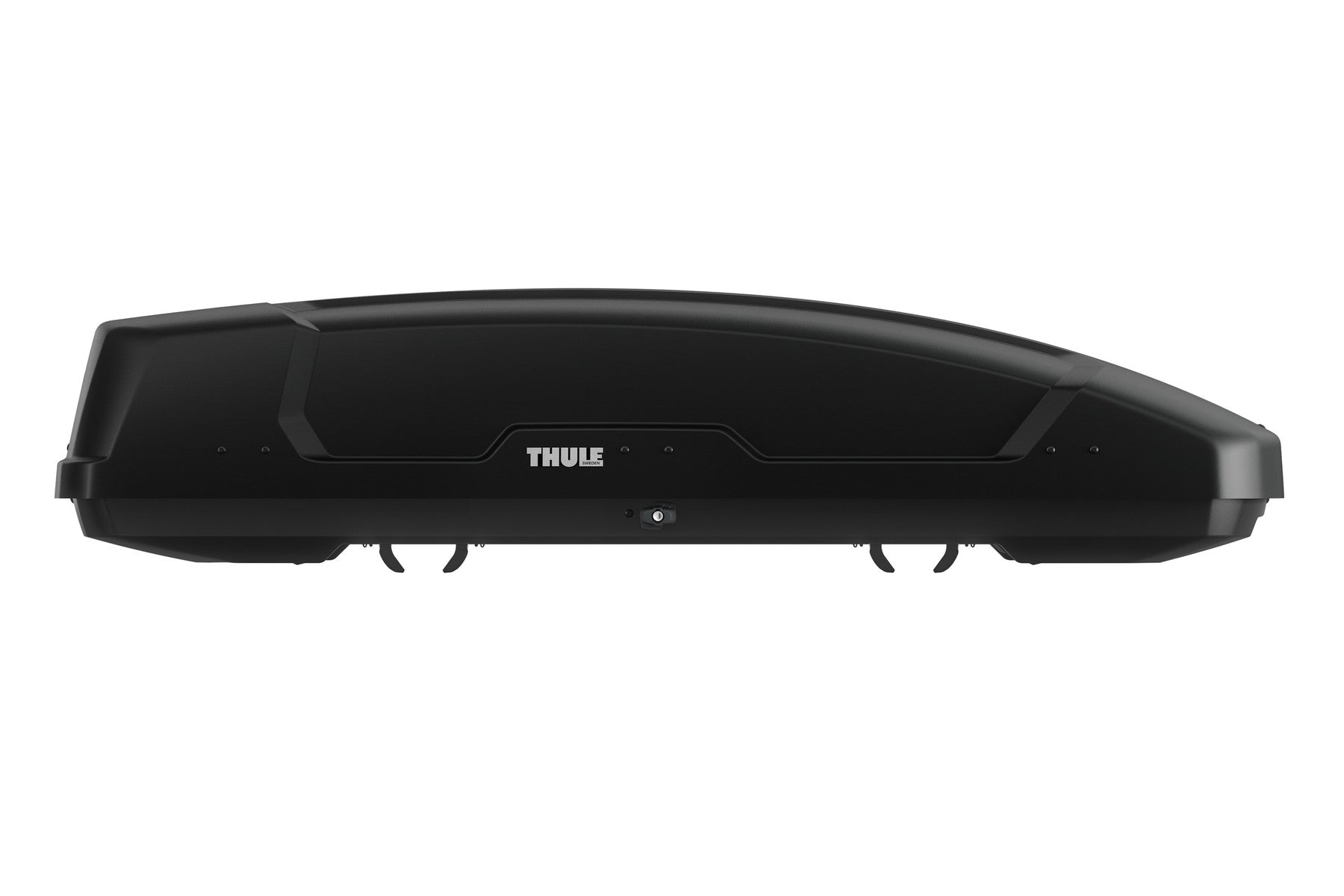
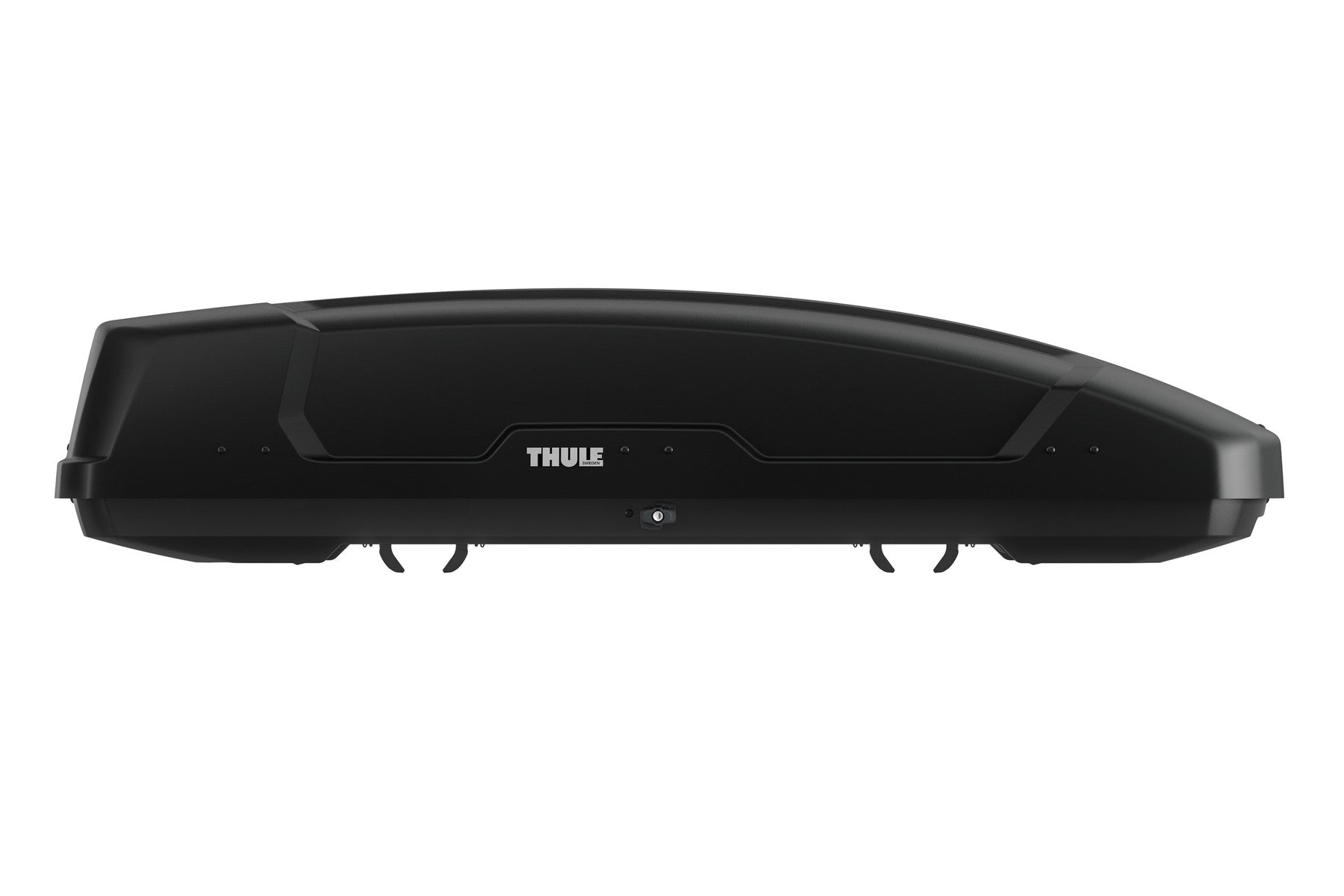
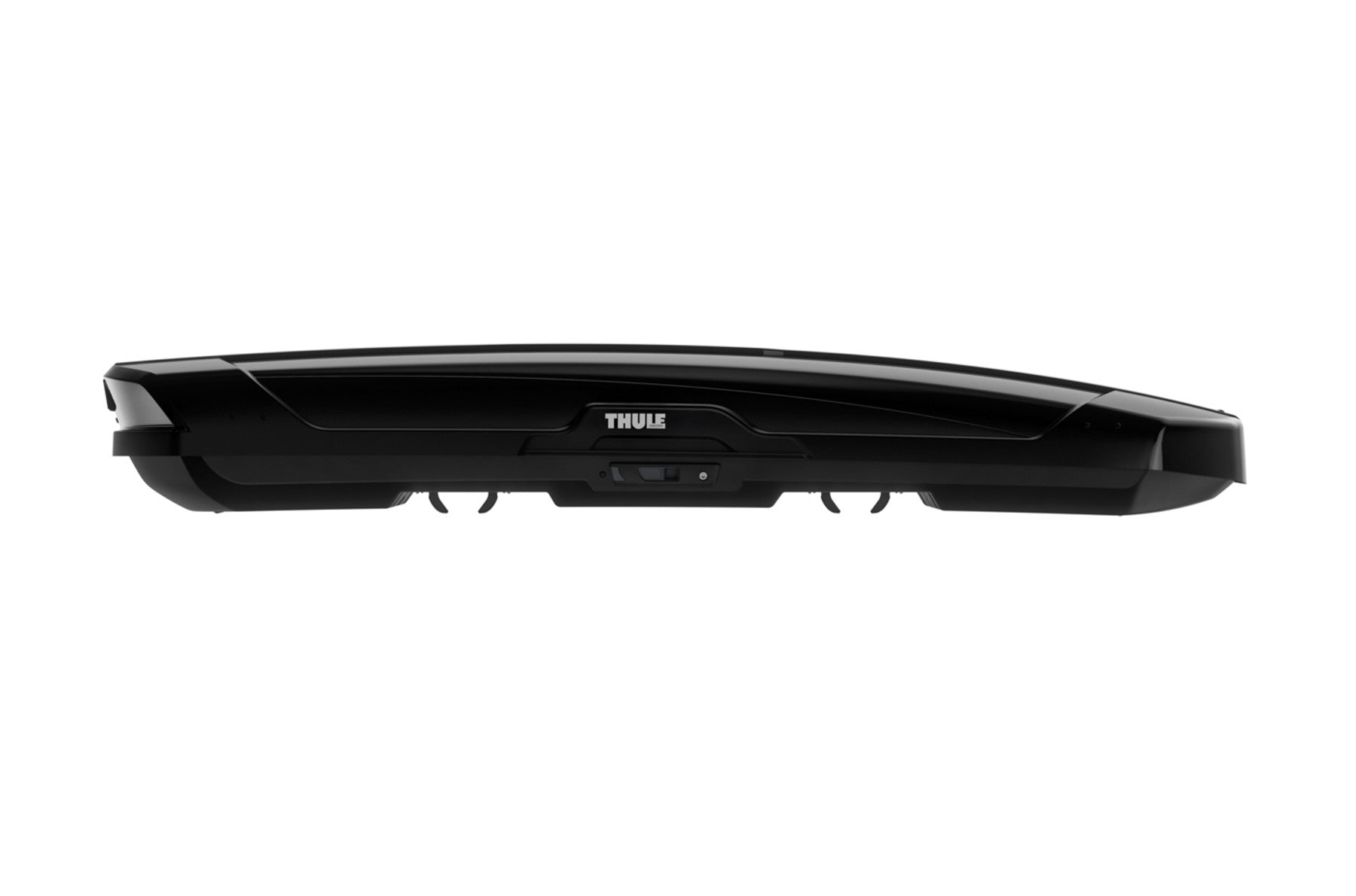



Rooftop Cargo Carrier Systems: Cargo Boxes & Baskets
A rooftop cargo carrier is a roof-mounted cargo box, basket, or platform that adds dedicated storage capacity above the cabin for road trips, overland trips, ski weekends, and any situation where the interior of the vehicle is already full. We carry rooftop cargo carriers from Thule and Rhino-Rack, including aerodynamic hardshell cargo boxes, open cargo baskets, and large-capacity luggage boxes for SUVs, crossovers, and full-size trucks. Prices start at $499.95 for the Thule Canyon XT Cargo Basket and run up to $1,099.95 for the flagship Thule Motion 3 L cargo box. Every roof cargo carrier on this page mounts to factory rails, aftermarket roof racks, or crossbar systems with included hardware, and is engineered to handle highway speeds without rattle or noise issues. Call us at 844-200-3979 to confirm which car top carrier or cargo box fits your vehicle's roof rack setup.
Featured Rooftop Cargo Carriers
Thule Canyon XT Cargo Basket
Price: $499.95
Type: Open rooftop cargo basket | Fits: Most factory rails & aftermarket roof racks
Build: Steel construction, 150 lb capacity, integrated tie-down points
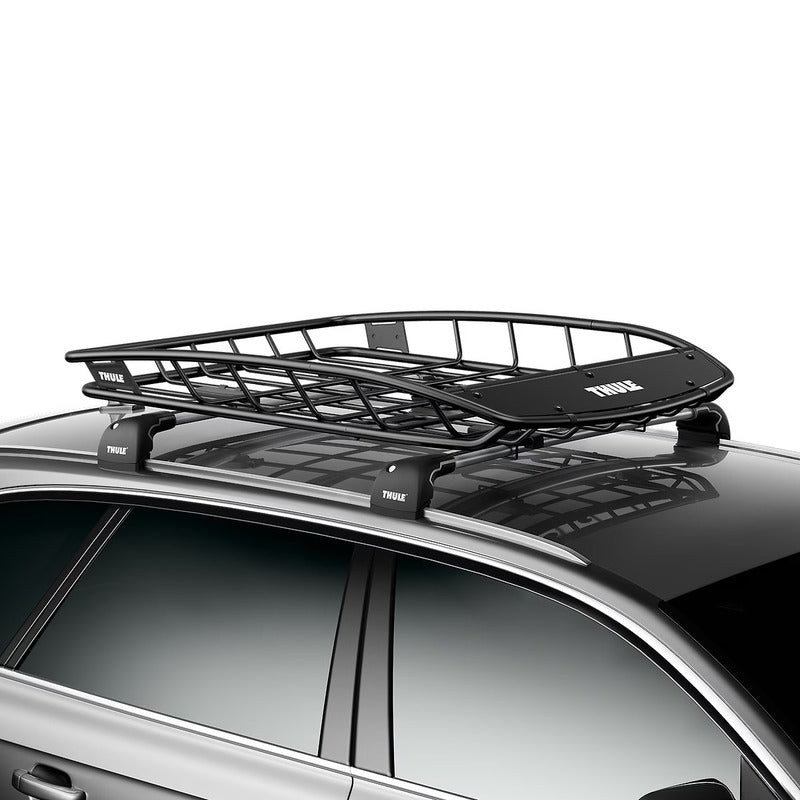
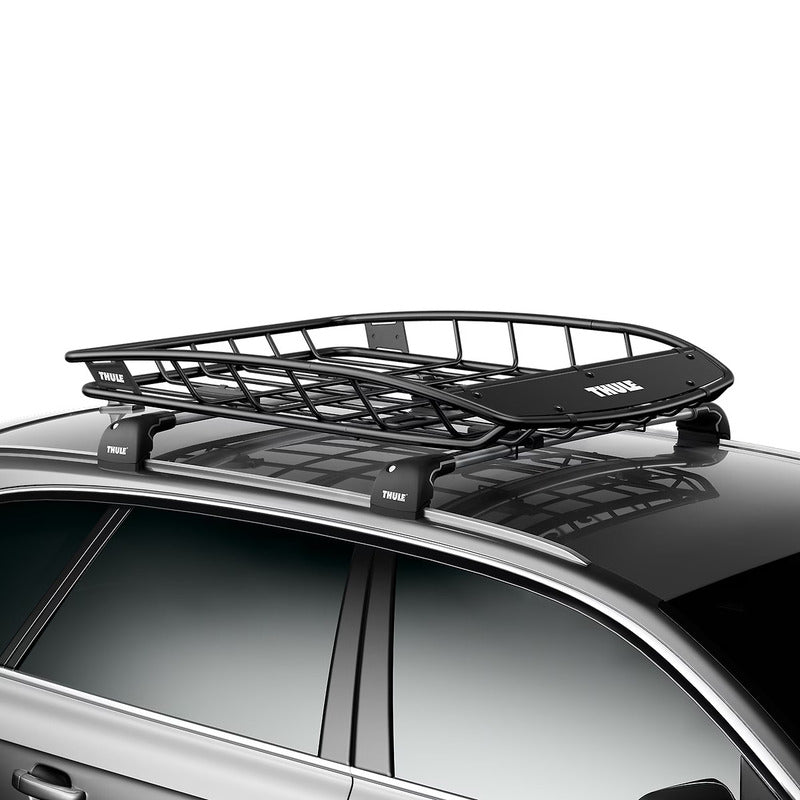
The most affordable rooftop cargo carrier in our lineup and the right pick for buyers who haul irregular or oversized cargo that doesn't fit cleanly into a closed cargo box. The Canyon XT is an open steel cargo basket that handles 150 lbs of dynamic load, with integrated tie-down points for ratchet straps and cargo netting. Best for camping gear, recovery boards, lumber, fuel cans, and any cargo that needs retaining walls but doesn't need full weather protection.

Rhino-Rack MasterFit 440L Roof Box
Price: From $609.99
Type: Mid-size hardshell rooftop cargo box | Fits: Most factory rails & aftermarket crossbar systems
Build: ABS hardshell, 440L capacity, dual-side opening, lockable
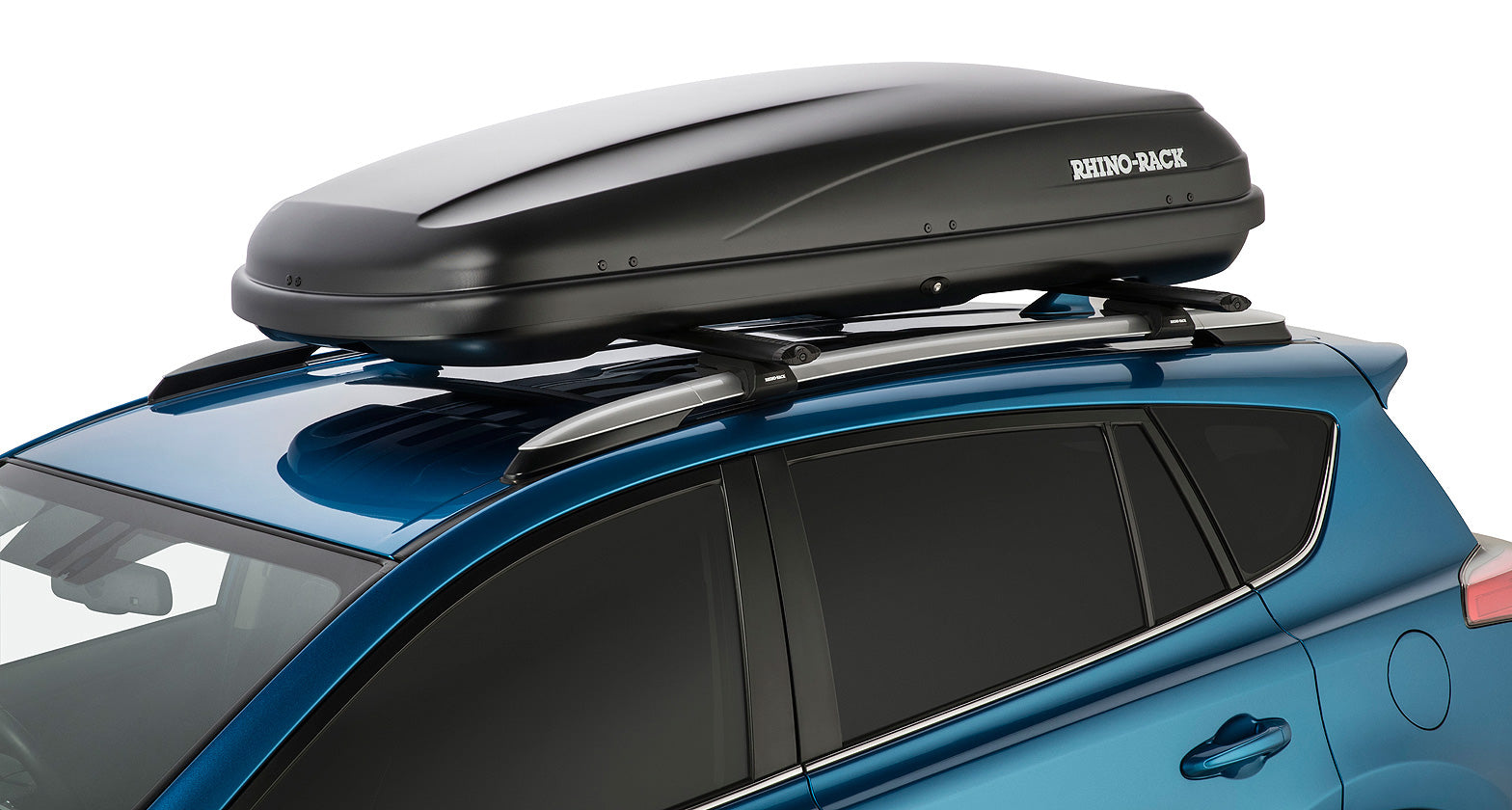
The Rhino-Rack MasterFit 440L is the value-priced hardshell rooftop cargo box in our lineup. The 440-liter capacity handles a family weekend's luggage, ski equipment, or a full overland trip's soft gear. ABS hardshell construction keeps the contents fully weatherproof in rain and snow, the dual-side opening lets you load and unload from either side of the vehicle, and integrated locks keep everything secure at gas stops and overnight stays.
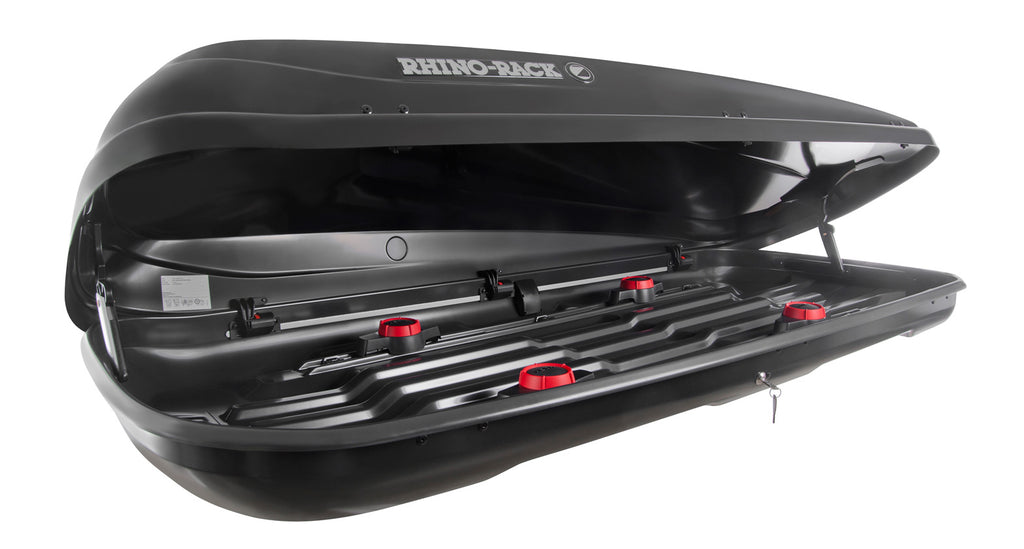
Rhino-Rack Zenith Cargo Box
Price: $849.99
Type: Premium large-capacity cargo box | Fits: Most factory rails & aftermarket roof racks
Build: Premium hardshell, aerodynamic profile, dual-side opening, locking
The Rhino-Rack Zenith is the premium option in Rhino-Rack's roof box lineup, with a more aerodynamic profile than the MasterFit, premium hardshell construction, and refined fit-and-finish details that show in daily use. The dual-side opening makes loading easy regardless of which side of the vehicle you're working from, and the locking mechanism is more robust for owners who leave the rooftop cargo box on the vehicle year-round.
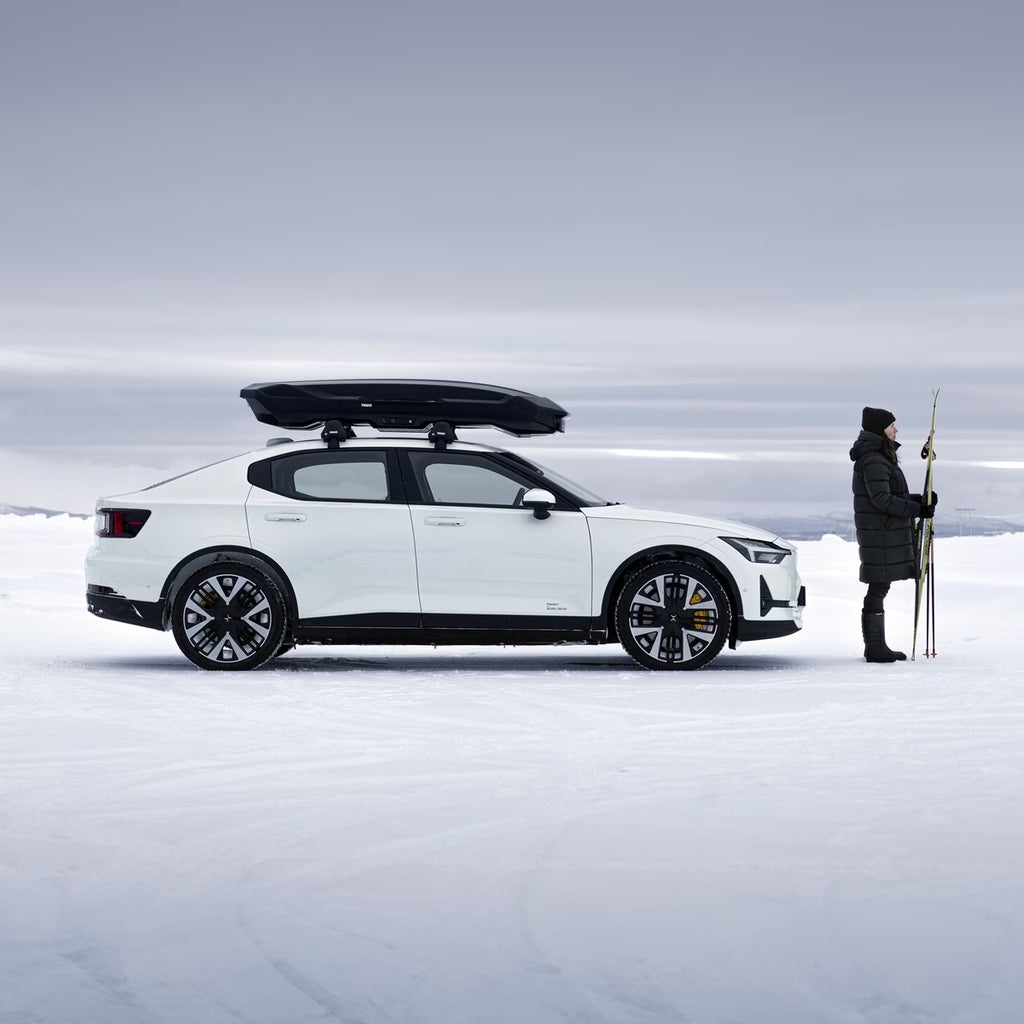
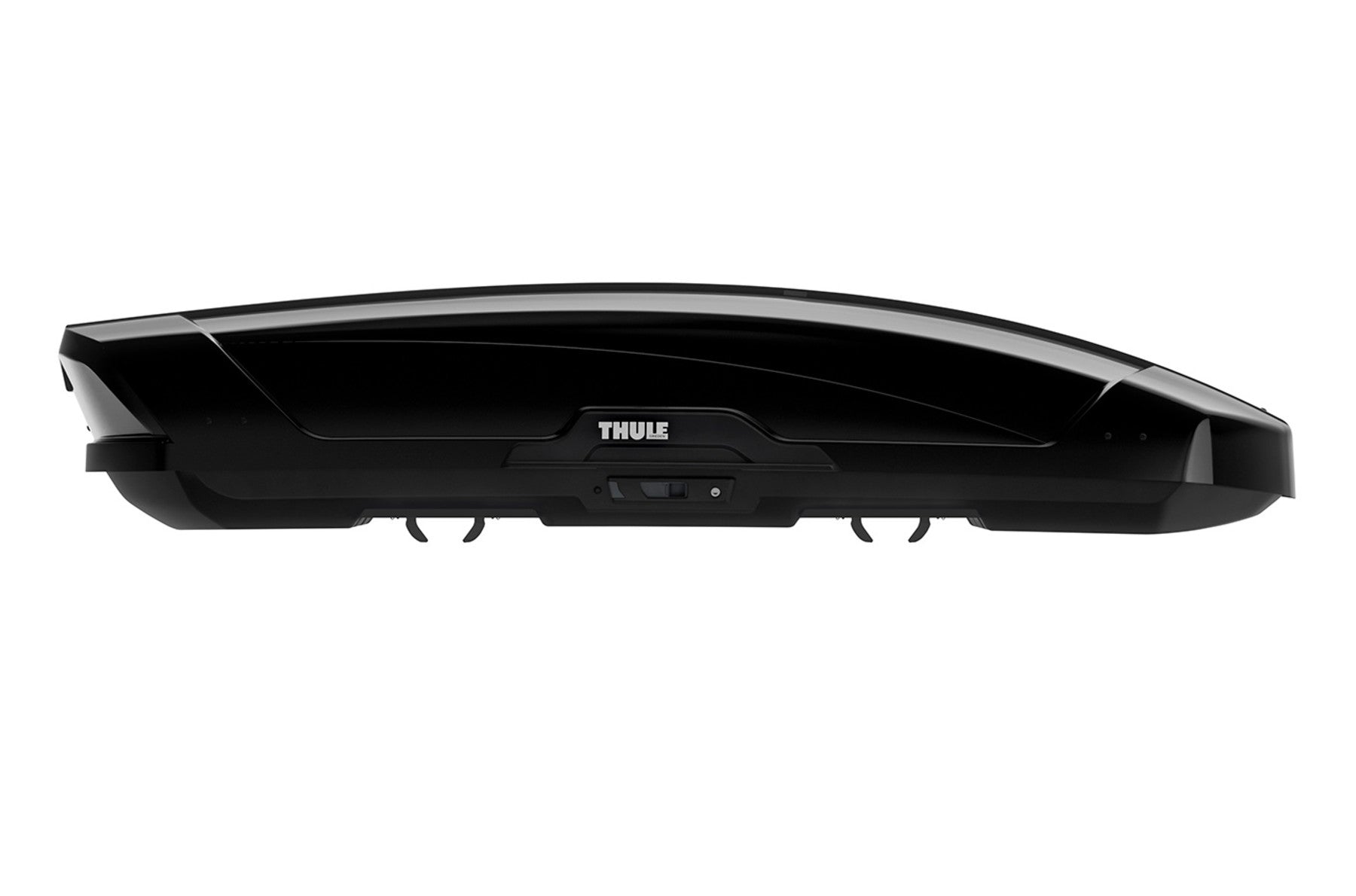
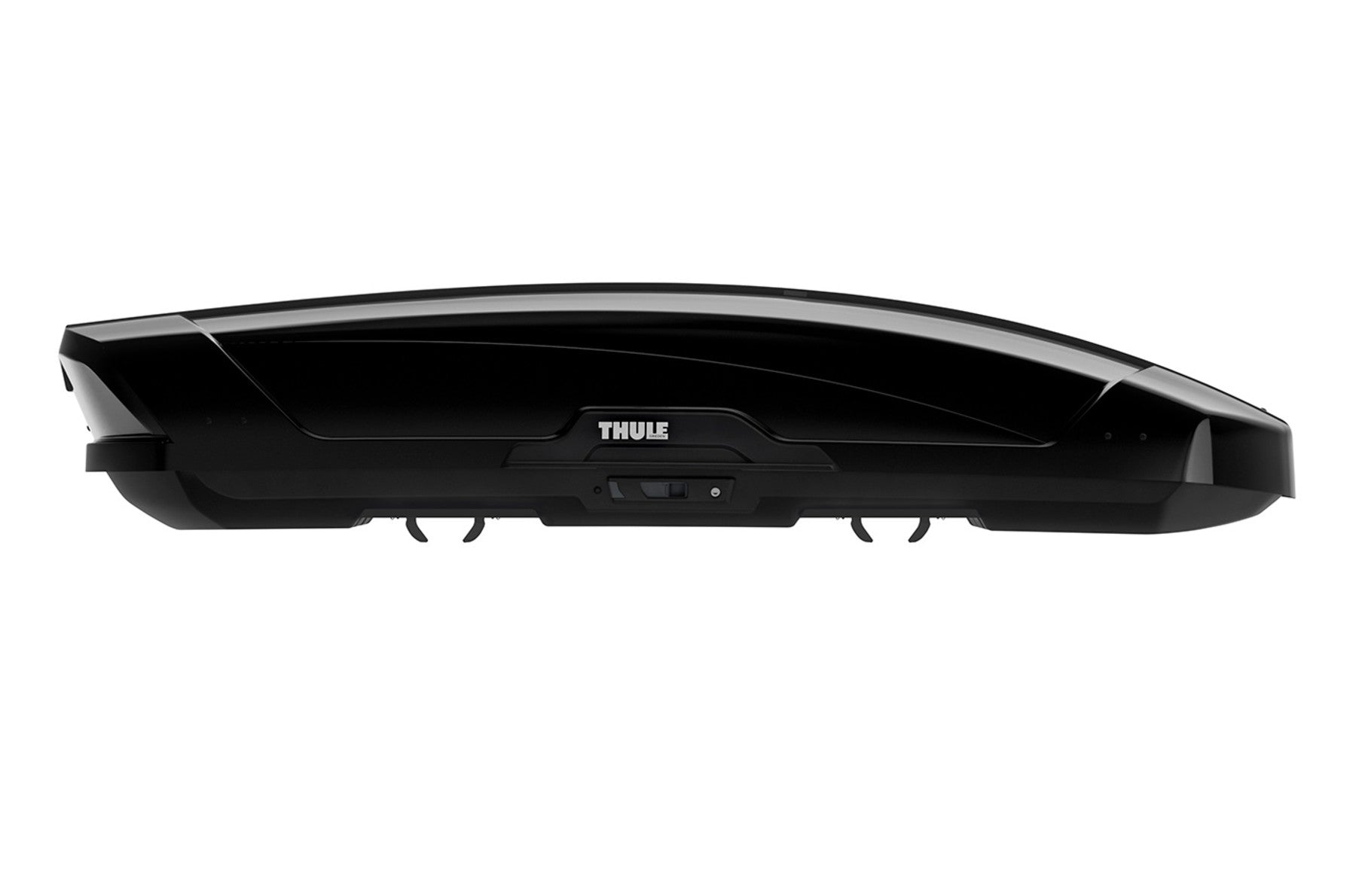
Thule Motion 3 L Cargo Box
Price: $1,099.95
Type: Flagship aerodynamic rooftop cargo box | Fits: Most factory rails & Thule/aftermarket crossbar systems
Build: Premium aerodynamic hardshell, dual-side opening, Thule lock system, large capacity
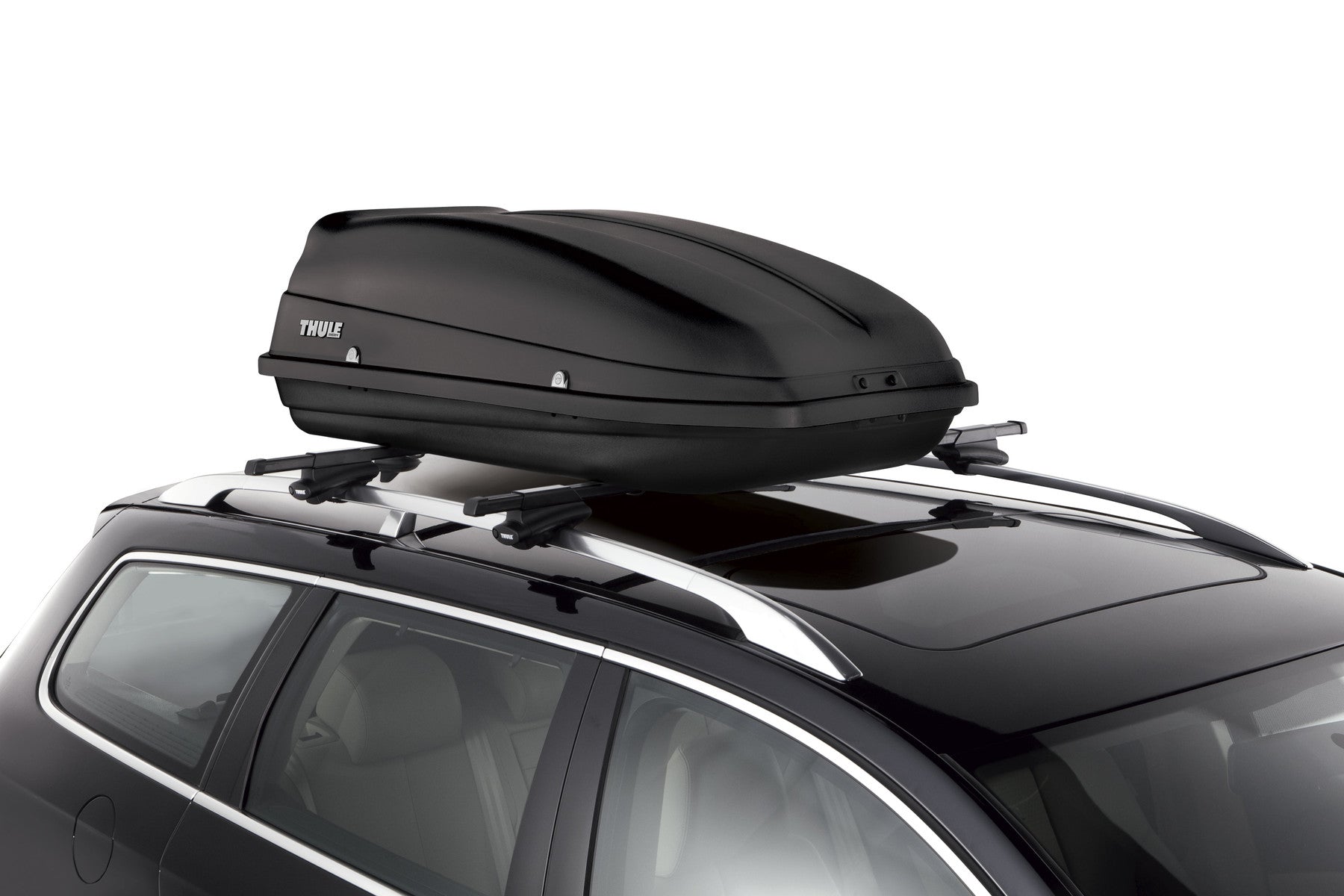
The Thule Motion 3 L is the flagship rooftop cargo carrier in our lineup and the premium pick for buyers who want the best-engineered Thule roof box available. Thule's aerodynamic profile is genuinely quieter than competing boxes at highway speeds (a real difference on long road trips), the dual-side opening with SlideLock technology makes solo loading possible without walking around the vehicle, and the Thule lock system integrates with the brand's broader ecosystem. The right Thule cargo box choice for buyers who'll use the box for 5+ years and value engineering quality over price.
Rooftop Cargo Carriers Compared
| Product | Type | Capacity | Best For | Price |
|---|---|---|---|---|
| Thule Canyon XT Cargo Basket | Open cargo basket | 150 lb dynamic load | Irregular gear, recovery boards, camping | $499.95 |
| Rhino-Rack MasterFit 440L | Mid-size hardshell box | 440 liters | Family weekend trips, soft gear | From $609.99 |
| Rhino-Rack Zenith Cargo Box | Premium aerodynamic box | Large premium capacity | Daily-driver mounted, year-round use | $849.99 |
| Thule Motion 3 L | Flagship aerodynamic box | Large capacity, quiet build | Long-trip families, premium build | $1,099.95 |
What Is a Rooftop Cargo Carrier?
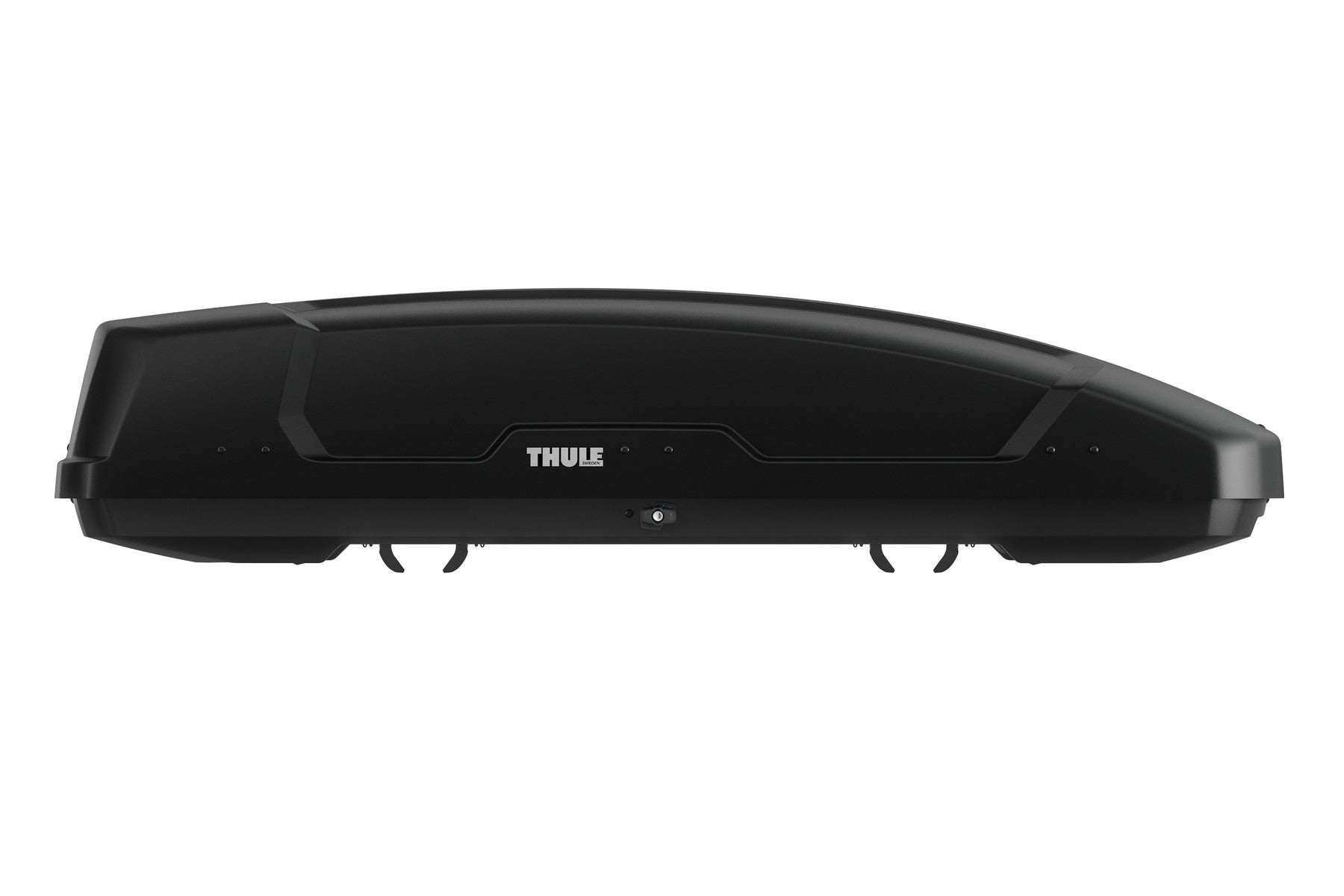
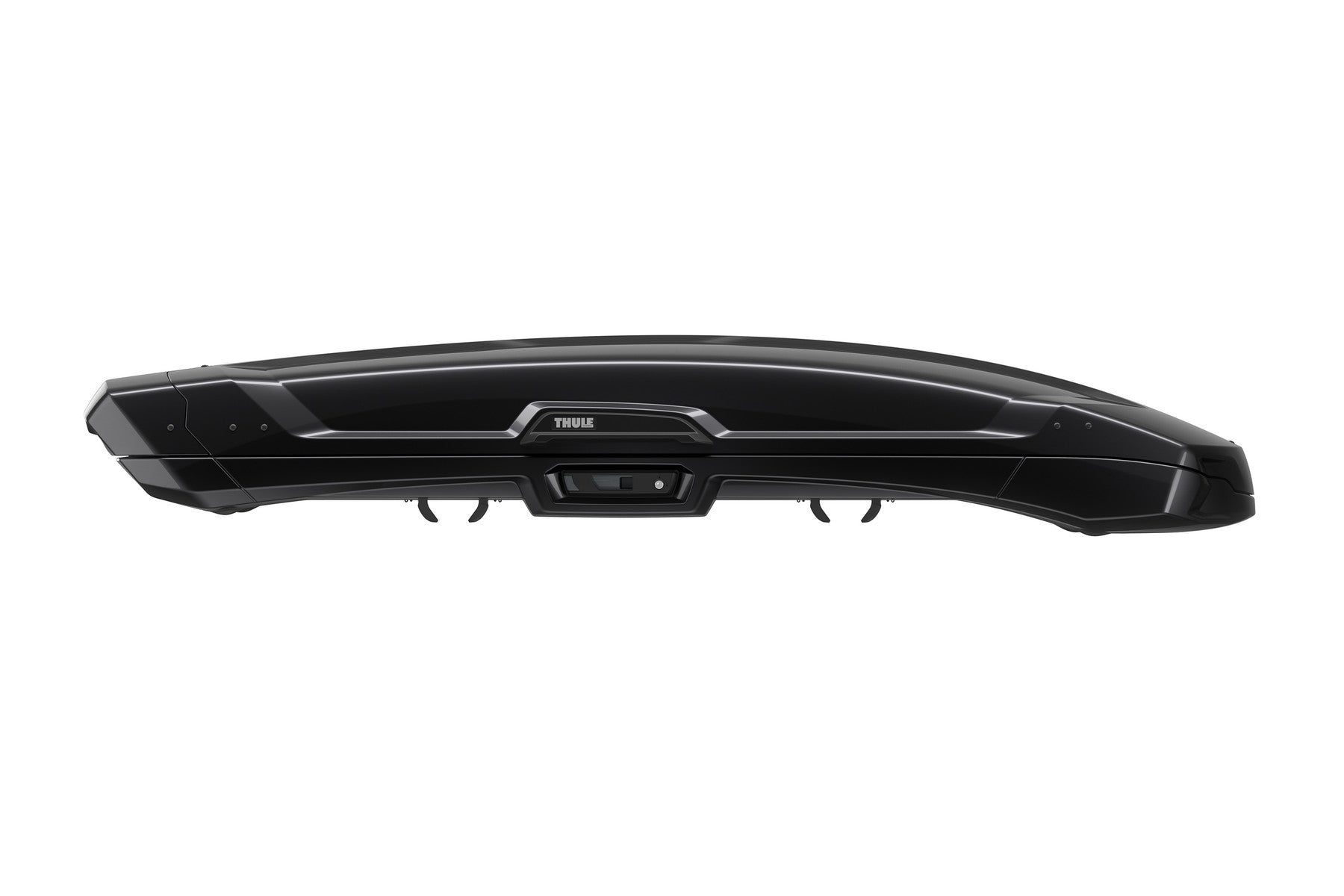
A rooftop cargo carrier is a roof-mounted storage solution that adds dedicated cargo space above the cabin of your vehicle. The category splits into two main types: closed cargo boxes (also called roof boxes, roof cargo boxes, or rooftop cargo boxes) and open cargo baskets, sometimes called a roof basket when it's an open-grid design. A closed roof top cargo carrier protects contents from rain, snow, dust, and theft with a hardshell exterior and integrated locks. An open cargo basket or roof basket is faster to load, handles irregular cargo that won't fit a closed box, but offers no weather protection.
The reason these carriers exist is simple: most vehicle interiors get full fast. A family of four on a one-week road trip needs the equivalent of 16-20 cubic feet of luggage and gear, and most SUVs and crossovers only have 30-50 cubic feet of cargo area with the rear seats occupied. A 440-liter cargo box adds roughly 15.5 cubic feet of secure storage above the cabin without sacrificing any interior space, which makes the difference between a comfortable trip and a Tetris game with luggage. This is exactly why a roof cargo carrier pays for itself on the first long road trip you take.
Cargo Box vs Cargo Basket: Which Should You Pick? Choose a hardshell cargo box (Thule Motion 3, Rhino-Rack MasterFit, Rhino-Rack Zenith) if you mostly haul soft gear that needs weather protection: clothing, sleeping bags, soft coolers, ski gear, camping pads. Choose an open cargo basket (Thule Canyon XT) if you mostly haul oversized or irregular cargo: traction boards, fuel cans, lumber, kayaks strapped vertically, or any equipment that doesn't fit cleanly inside a box. Many overlanders own both and swap based on the trip.
How Much Capacity Do You Need?
Rooftop cargo box capacity is measured in liters, and the math matters more than people realize when picking the right size.
Small cargo boxes (300-400L) handle 2-3 large duffel bags or about a couple's weekend trip's worth of soft gear. Right for solo travelers, couples, or owners who only need rooftop cargo carrier capacity occasionally for the bigger trips.
Mid-size cargo boxes (400-500L) like the Rhino-Rack MasterFit 440L handle a family of four's weekend luggage or a ski trip's hard gear for 2-3 adults. The sweet-spot capacity for most buyers because it's big enough to be genuinely useful but small enough to maintain reasonable aerodynamics.
Large cargo boxes (500-650L+) like the Thule Motion 3 L and Rhino-Rack Zenith handle a family of four or five's full road trip luggage, weeks of camping soft goods, or premium ski-equipment hauling for groups. The right pick for road-trip families and buyers who'd rather have too much capacity than too little.
Cargo baskets are rated by weight capacity rather than volume since their open design accepts virtually any cargo shape. The Thule Canyon XT at 150 lbs handles the typical mix of recovery boards, fuel cans, and camping gear most overlanders carry. Cargo basket use is more weight-limited than volume-limited.
Mounting: What Roof Setups Work With Rooftop Cargo Carriers
Every cargo box and basket on this page mounts to one of four common roof setups. Knowing what your vehicle has determines what hardware you need.
Factory raised side rails are the most common roof setup on SUVs, crossovers, and many wagons. Cargo boxes and cargo baskets attach to crossbars that span side-to-side across these rails. If your vehicle has raised rails but no crossbars, you'll need to add crossbars first (we carry Rhino-Rack Vortex and similar in our crossbars collection).
Aftermarket roof rack platforms like the Front Runner Slimline II, Prinsu, Rhino-Rack Pioneer, and BajaRack systems all accept a roof rack cargo carrier with the right mounting kit. The hardshell cargo boxes mount to the platform's crossbars; cargo baskets typically have direct T-slot compatibility. Most carriers ship with universal mounting hardware that works across major platform brands.
Naked roof (no rails) requires a fit kit that clamps to the door frame or specific hard points on the roof. This applies to many sedans and crossovers without factory rails. You'll need to install crossbars first before adding any car cargo carrier.
Track-mounted systems use T-slot tracks drilled into the roof, common on overland builds with full-length aluminum rails. Compatible carriers mount directly to these tracks.
Aerodynamics and Fuel Economy Considerations
Mounting any cargo box or basket on your vehicle costs fuel economy, and the math is more significant than people realize. A typical cargo box reduces highway MPG by 5-15% depending on the box's aerodynamic profile, your vehicle's stock drag coefficient, and your driving speed. The Thule Motion 3 L's premium aerodynamic profile costs noticeably less MPG than budget boxes precisely because Thule engineers the shape to minimize drag.
The practical implication: if you'll only use the cargo box 2-3 times a year, the lower-priced option is the better economic call (the fuel savings on the cheaper box vs the premium box during occasional use don't justify the price gap). If you'll use the SUV cargo carrier 10+ times a year or leave it on year-round, the premium aerodynamic box pays back in fuel savings over its lifetime. Most buyers underestimate how often they'll use a roof box once they have it.
Vehicle Fitment Notes
SUVs and crossovers (Toyota 4Runner, Honda CR-V, Subaru Outback, Ford Bronco, Jeep Grand Cherokee, Toyota RAV4, Mazda CX-5, Hyundai Tucson) are the standard SUV cargo carrier audience. Almost all SUVs and crossovers have factory raised rails or accept aftermarket crossbars, and every product on this page fits these vehicles with the right crossbars.
Sedans and hatchbacks without factory rails need a fit kit plus crossbars before any cargo carrier can be installed. We can point you to the right kit for most modern sedans; call us with your specific year and model.
Full-size pickups (Toyota Tacoma, Toyota Tundra, Ford F150, Chevy Silverado, RAM 1500, GMC Sierra) typically mount cargo boxes on cab-roof crossbars or canopy/topper roof racks. The capacity is more limited on pickup cab roofs than on SUVs because of the smaller available roof footprint.
Vans (Sprinter, Transit, ProMaster) have the largest roof real estate and can accommodate the biggest cargo boxes plus additional cargo baskets simultaneously. Best paired with a full-length platform roof rack like the Front Runner Slimline II.
Frequently Asked Questions
What is the difference between a rooftop cargo carrier and a roof box?
They're essentially the same thing. "Rooftop cargo carrier" is the broader umbrella term that includes both closed roof boxes (like the Thule Motion 3 L and Rhino-Rack MasterFit) and open cargo baskets (like the Thule Canyon XT). "Roof box" specifically refers to the closed hardshell variety. If you want full weather protection, you want a roof box; if you want open-load flexibility, you want a cargo basket.
How much does a rooftop cargo carrier cost to install?
Installation is DIY-friendly on every product on this page. If you already have crossbars or a roof rack platform, the cargo carrier mounts in 20-45 minutes with included hardware. If you need to add crossbars first, plan another 30-45 minutes. Total install time including crossbars is typically under 90 minutes for first-time installers. No professional installation required.
How much fuel economy does a roof cargo box cost?
Typical loss is 5-15% on highway MPG depending on the box's aerodynamic profile and your vehicle's stock drag. Premium aerodynamic boxes like the Thule Motion 3 L cost less MPG than budget boxes. Most owners who leave the box installed year-round notice the fuel impact; owners who only mount it for trips don't lose meaningful annual fuel economy.
Can a rooftop cargo carrier be left on year-round?
Yes, premium models are designed for permanent installation. The Thule Motion 3 L and Rhino-Rack Zenith are both engineered for year-round use without UV damage, weather degradation, or mounting wear. Budget cargo boxes will degrade faster if left mounted in the sun continuously, so consider taking them down between trips if you bought a lower-priced model.
Are rooftop cargo carriers secure from theft?
The closed cargo boxes on this page (Thule Motion 3 L, Rhino-Rack MasterFit, Rhino-Rack Zenith) include integrated locks that secure the box itself to the crossbars and lock the lid closed. The locks deter casual theft but aren't bank-vault secure; don't leave irreplaceable items in a roof box overnight in high-theft areas. Cargo baskets (Thule Canyon XT) are open by design and offer no theft protection for the cargo itself.
Related
Roof Rack Collection
Roof racks and platforms that pair with rooftop cargo carriers for complete overland and road-trip builds.
Cross Bars Collection
Crossbars for vehicles with factory rails that need a mounting platform before a cargo box can be installed.
Need Help Picking the Right Rooftop Cargo Carrier?
Tell us your vehicle, roof setup, and how much you typically haul. We will match you with the right cargo box or basket.